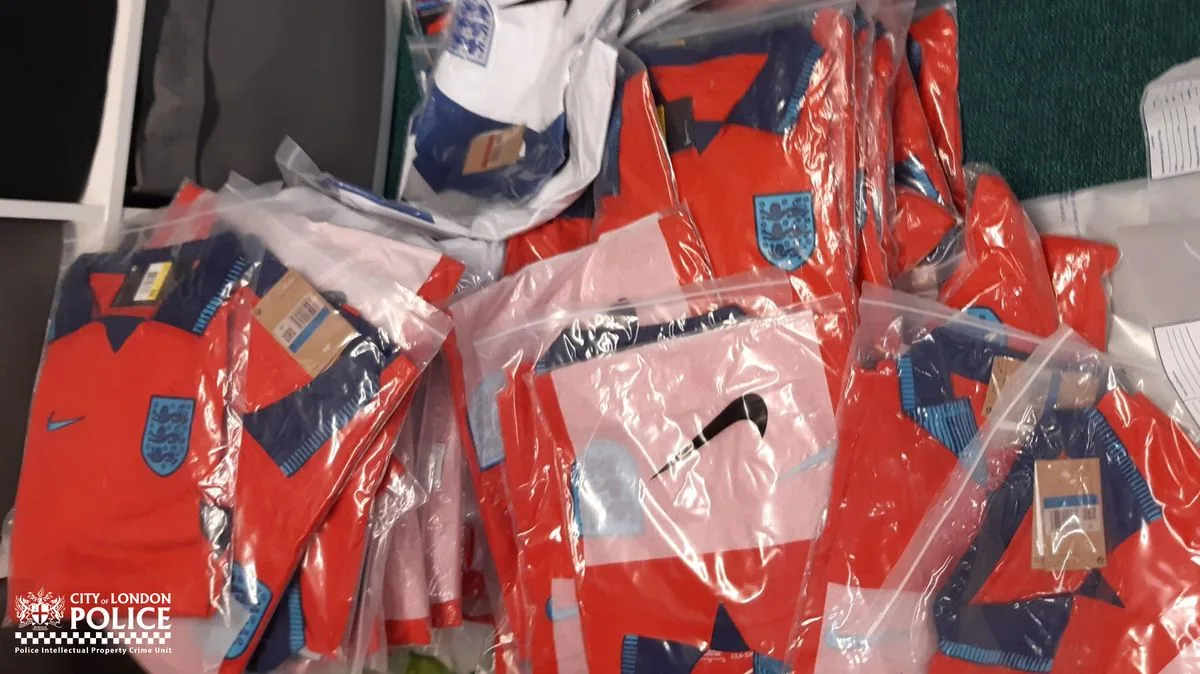
A significant operation in Edinburgh has led to the seizure of fake football kits, with an estimated value of £5.5 million. This action, described as one of the largest of its kind in the UK, targeted counterfeit merchandise intended to capitalise on fan demand during the World Cup.
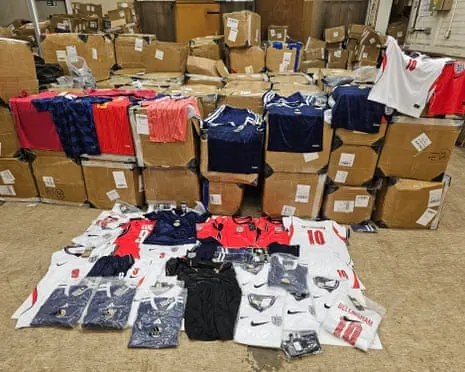
The raid resulted in the confiscation of nine tonnes of counterfeit jerseys. These included kits for Scotland, England, Spain, and France. Officials confirmed the items were fakes, and they are now scheduled for recycling.
Operation details and scale
The operation was a collaborative effort involving Police Scotland, the national trading standards organisation, and Edinburgh City Council’s trading standards team. This intelligence-led initiative aimed to disrupt the flow of illicit goods into the market.
One report indicates that over 158,000 fake football strips were seized. Another source states that around 58,000 fake football strips were recovered. The total haul was valued at an estimated £5.5 million.
Neil Ross, an Edinburgh councillor and regulatory convener, called the seizure a “tremendous result.” He highlighted that criminals often exploit major sporting events by flooding the market with counterfeit goods. He also stressed that this is not a victimless crime, as it harms legitimate businesses and deceives supporters.
Risks and wider implications
Counterfeit kits are not produced to the same safety standards as authentic ones. This means they can contain harmful toxins in dyes or be made from flammable materials, posing potential risks to buyers. Additionally, their quality is often inferior to genuine products.
Investigations into the supply routes are ongoing, with authorities noting that these networks often have connections to organised crime. Such links can include human trafficking, modern slavery, and the exploitation of vulnerable individuals.
The Scottish Football Association (Scottish FA) commented on the impact of fake merchandise. A spokesperson explained that the income generated from licensing, merchandising, and sponsorship is crucial for investing in football at all levels, from grassroots to senior international squads. Counterfeit goods reduce these revenues, affecting the funds available for Scottish football.
The Scottish FA spokesperson also noted that Scotland’s return to the Fifa World Cup stage has led to increased demand for official merchandise, which unfortunately also brings a rise in counterfeit goods. The seized shirts will be securely recycled after being confirmed as fake by the relevant brand holders.
Ongoing investigations
Investigators are actively working to trace the source and supply routes of these counterfeit products. The illicit trade in counterfeit and pirated goods is a global issue, with international trade estimates placing the market at approximately a significant amount annually, representing 2.3% of global trade, according to the Chartered Trading Standards Institute.
The ongoing investigations aim to make a significant dent in this international trade of counterfeit goods. Authorities continue to gather intelligence to dismantle these networks and protect consumers and legitimate businesses.
The seizure underscores the challenges faced by trading standards teams across the country in intercepting illicit goods and protecting legitimate trade. The operation followed a series of intelligence-led initiatives by officers from Police Scotland and the National Trading Standards Intellectual Property team.
Read Also
Source: theguardian.com