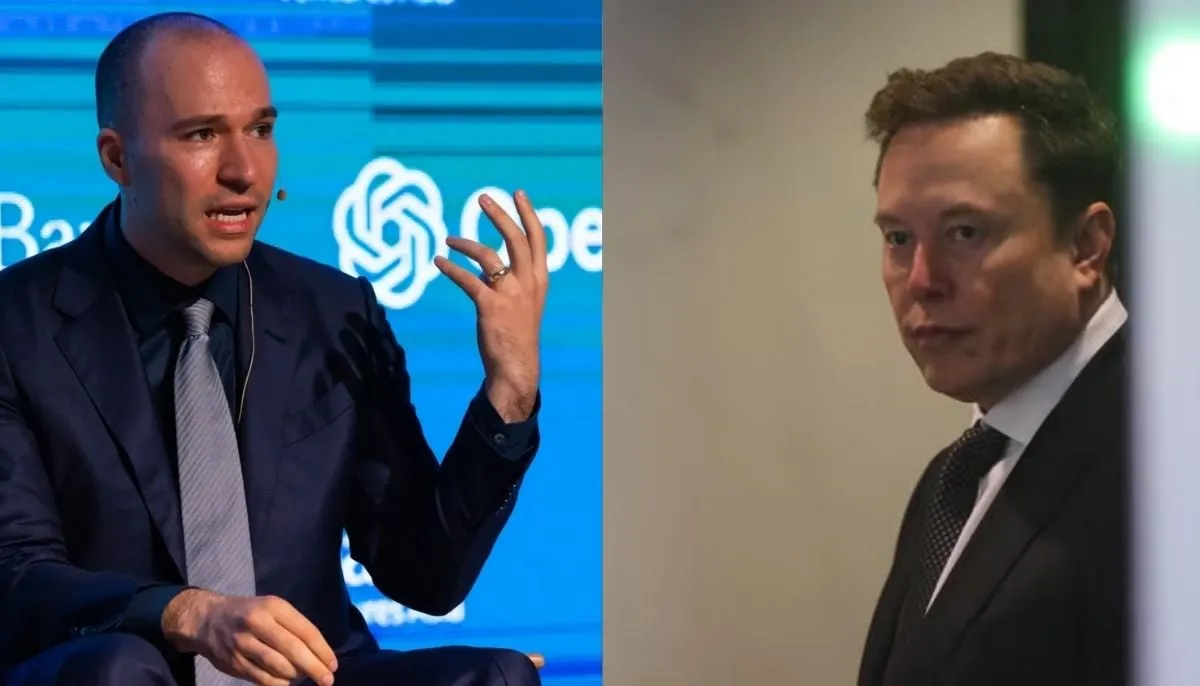
Elon Musk’s ambitious $80 billion plan to colonize Mars is at the center of a high-stakes trial involving OpenAI’s leadership. The trial, taking place in California, highlights disputes over funding and control.
Greg Brockman, president of OpenAI, stated, “He said he needed $80 billion to create a city on Mars.” This comment underscores the financial stakes Musk faces in his vision for Mars colonization.
Within hours of the trial beginning, Musk accused OpenAI of defrauding him out of $38 million. He claims that his need for full control over OpenAI was essential to secure funding for his interplanetary ambitions.
As of midday, Brockman testified that OpenAI plans to spend $50 billion on computing resources in 2026. This spending could impact the availability of funds for Musk’s Mars project.
A new study suggests astronauts could complete a round trip to Mars in less than a year. Current mission profiles take roughly seven to ten months one way. The next viable opportunity for rapid travel using near-term technology is expected in 2031.
Key findings from the study include:
- A spacecraft could potentially make a round trip to Mars in 153 days during the 2031 alignment.
- This aligns with Musk’s timeline for establishing a human presence on the planet.
- The advancements in technology may change current perceptions about interplanetary travel durations.
Musk’s vision for Mars colonization could redefine humanity’s future among the stars. However, the ongoing legal battles may complicate these plans significantly.