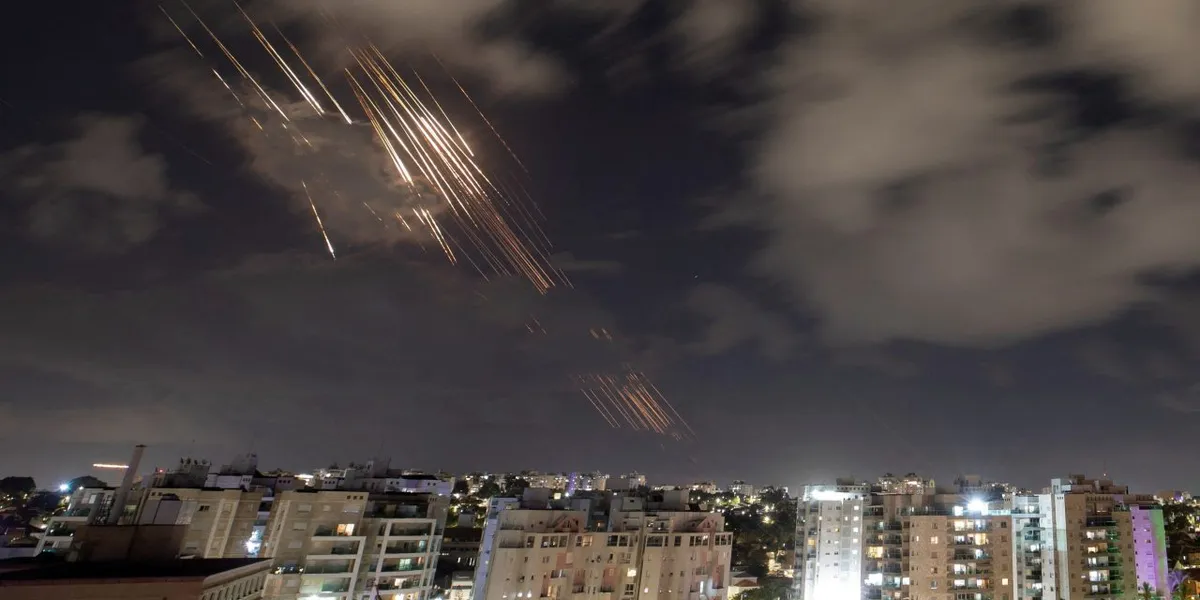
“Lebanon experienced one of the deadliest days in its recent history,” reports indicate, following a wave of Israeli air strikes that targeted Hezbollah-linked sites across the region. In a rapid escalation of hostilities, Israel launched over 100 air strikes in just 10 minutes, resulting in significant casualties and destruction.
Among the most shocking developments was the death of Ayatollah Ali Khamenei, who was killed by an Israeli strike on a bunker in Tehran. This event has sent shockwaves through Iran and the broader Middle East, prompting immediate retaliation.
In response, Iran fired missiles across the region, targeting Gulf nations and US military bases. Reports confirm that twelve IDF soldiers and 23 civilians have been killed in ballistic missile attacks across Israel since February 28, with over 7,500 injured.
Younes Hamami Lalehzar, an Iranian rabbi and physician, described the devastation, stating, “I was informed that one of Tehran’s few synagogues had been completely destroyed in an Israel strike on April 7.” This strike highlights the expanding reach of the conflict, affecting not only military targets but also civilian sites.
More than 300 people were killed in Israeli air strikes in Lebanon, with a significant number being women, children, and the elderly. The humanitarian impact of these attacks has been profound, leading to widespread condemnation and calls for ceasefire.
A ceasefire deal was announced on April 7 and is set to take effect on April 8, but the situation remains volatile. Details remain unconfirmed regarding the full extent of the damage and casualties from the latest round of strikes.
As the conflict continues to unfold, the international community watches closely, with fears of a broader war in the Middle East escalating. The implications of Khamenei’s death and the ongoing military actions could reshape the geopolitical landscape significantly.