Cyprus is facing a significant drop in tourism bookings due to geopolitical instability, while also managing a livestock culling crisis. As of early Tuesday, reports indicate that the UK has seen a 60% drop in tourism bookings for Cyprus.
British travelers are hesitant to visit the island amid ongoing tensions in the Eastern Mediterranean. The UK government has advised its citizens to remain alert and follow local authorities’ instructions.
At the same time, Cyprus is dealing with a serious agricultural issue. The government has confirmed that approximately 38,900 sheep and goats, 2,247 cattle, and 21,500 pigs have been culled due to health concerns. This outbreak has raised alarms within the agricultural community.
The government insists on following EU veterinary protocols regarding the culling process. Farmers have expressed frustration over unclear compensation details from authorities.
The President of Cyprus has not planned any new meetings with farmers at this stage, leaving many questions unanswered. Experts from the Pancyprian Veterinary Association have rejected claims suggesting that alternative EU protocols exist for managing this crisis.
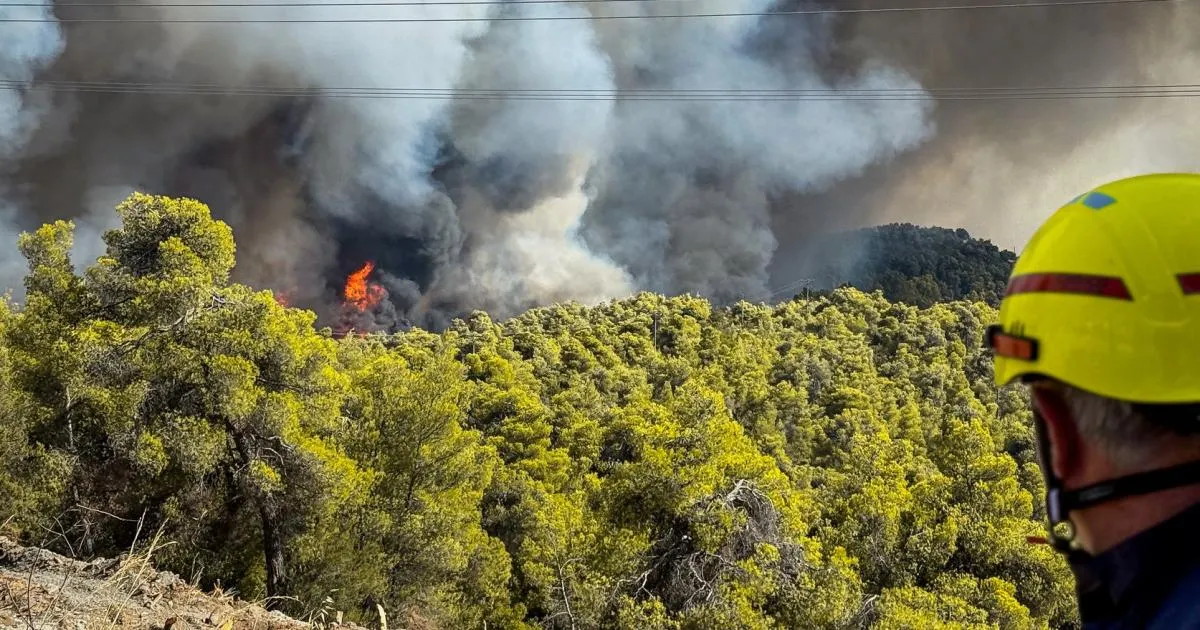
A new firefighting hub will be established near Paphos as part of efforts to enhance fire risk management. This initiative coincides with the 3rd Euro-Mediterranean Workshop on Fire Risks, which will take place on May 6-7, co-organized by Commissioner Hadja Lahbib and Cyprus.
The Cypriot government continues to monitor both the tourism situation and the livestock crisis closely. As these events unfold, the impact on local businesses and farmers remains significant.
The outbreak has led to a loss of about 9.5% of adult sheep and goats, 2.8% of cattle, and 7.9% of pigs across the island. These figures highlight the severity of the agricultural crisis amidst declining tourist interest.
The situation in Cyprus underscores how interconnected tourism and agriculture are in shaping the island’s economy. Stakeholders are watching closely as developments progress over the coming days.