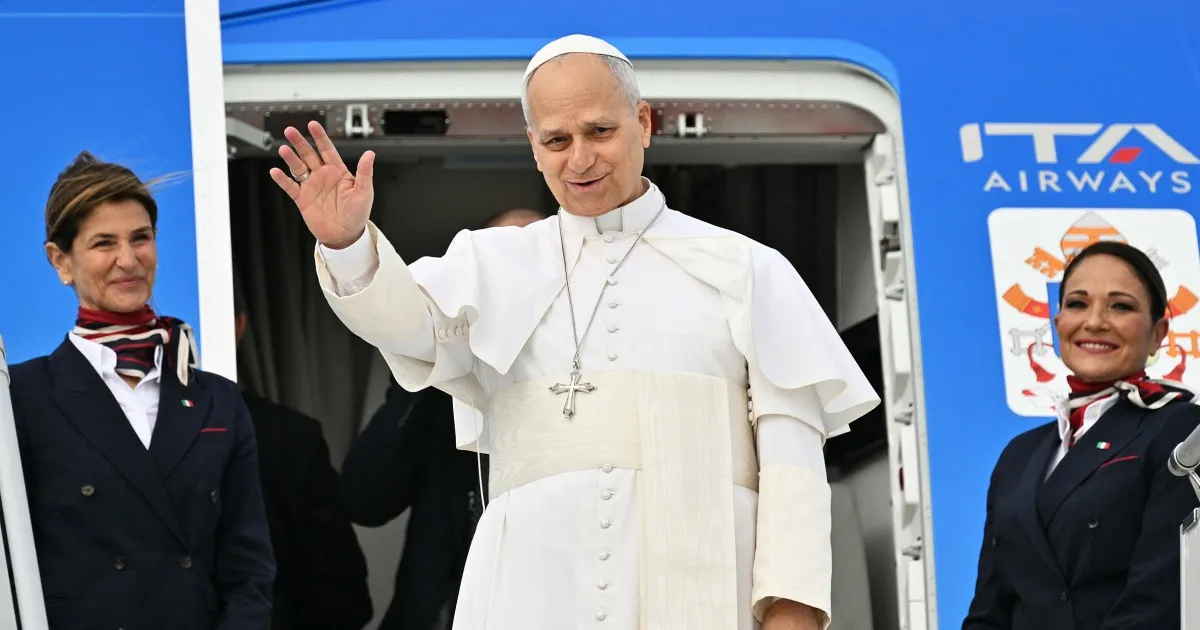
Tensions between Donald Trump and Pope Leo XIV have reached a boiling point, reflecting a significant shift in the relationship between the White House and the Vatican. Previously, expectations were that both leaders would navigate their differences diplomatically, but recent events have shattered that notion.
In a striking move, Trump criticized Pope Leo XIV, labeling him as ‘weak on crime’ and ‘terrible for foreign policy.’ This public rebuke marks a decisive moment, showcasing Trump’s willingness to confront religious authority directly. In response, Pope Leo XIV stated he has ‘no fear of the Trump administration,’ indicating a firm stance against the President’s remarks.
The fallout from Trump’s comments has been immediate and severe. Archbishop Paul Coakley rebuked Trump’s statements, expressing dismay that the President would speak disparagingly about the Holy Father. Church leaders and conservatives have echoed this sentiment, condemning Trump’s remarks and emphasizing that the Pope is not a political rival.
Adding fuel to the fire, Trump posted an AI-generated image of himself depicted as a Jesus-like figure, which was met with backlash from conservatives and subsequently deleted. This incident highlights the growing tensions and the potential for further division among Trump’s base.
Background tensions have been building for months, particularly over the U.S. administration’s hardline immigration policies and military actions. The Pope’s ongoing 11-day tour of four African nations has also drawn attention to these issues, as he advocates for compassion and humanitarian efforts.
Trump’s assertion that he does not want a Pope who criticizes the President underscores a troubling trend where political leaders seek to silence dissenting voices, even from religious figures. This dynamic raises questions about the role of faith in politics and the implications for future interactions between the two leaders.
As the situation unfolds, experts are weighing in on the potential ramifications. Archbishop Coakley remarked, “Pope Leo is not his rival; nor is the Pope a politician,” emphasizing the need for a respectful dialogue rather than confrontational rhetoric.
In summary, the clash between Trump and Pope Leo XIV signifies a critical juncture in the relationship between political power and religious authority. The implications of this conflict will likely resonate beyond the immediate fallout, shaping the discourse around faith and governance in the coming months.