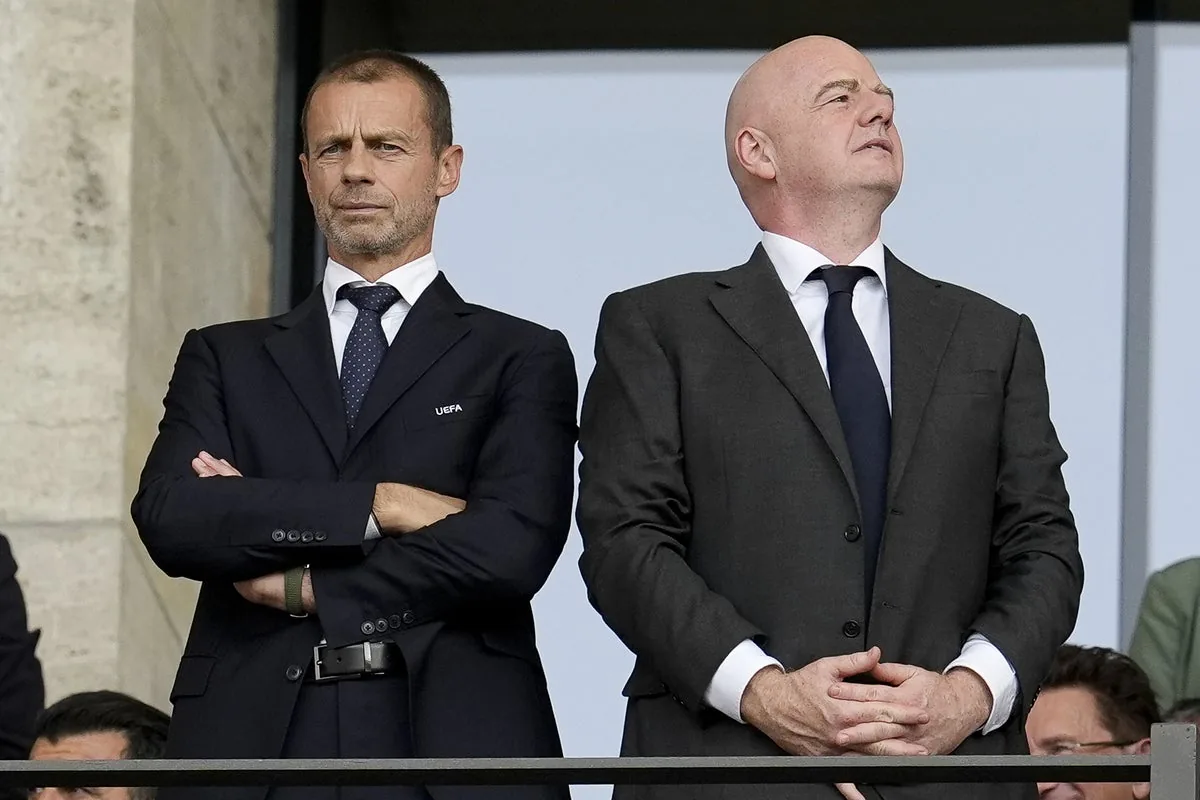
European football’s governing body, Uefa, has stated that Fifa‘s recent defence of its president, Gianni Infantino, has not altered its position regarding a potential boycott of Fifa competitions. This comes after Fifa‘s management board expressed full support for Infantino following the abandonment of his plans to sell stakes in the World Cup to private investors.
Uefa had previously made clear its conditions for reversing its stance: the withdrawal of proposals to privatise major competitions and assurances that such attempts would not be made again. According to Uefa, these conditions have not been met. The organisation reiterated its loss of confidence in Infantino‘s presidency, a position it had previously articulated when describing the Fifa Forward Enterprise (FFE) proposal as a “shabby, back room, opaque deal.”
Continued Opposition to Fifa Leadership
The global players’ union, FIFPRO, has also voiced strong criticism, condemning what it termed an “abuse of presidential power” by Gianni Infantino. FIFPRO noted Fifa‘s statement with deep concern and called for governance and structural reforms to prevent any individual from making unilateral decisions within the sport. The union emphasised that legitimate scrutiny of football’s governance should not be portrayed as disloyalty.
The English FA has formally withdrawn its support for Infantino‘s re-election, which is currently scheduled for March 2027. This decision follows the controversy surrounding the proposed sale of stakes in Fifa tournaments. The South American confederation Conmebol has also criticised Fifa‘s actions, stating that “when football loses, we all lose.”
Despite the widespread criticism, Infantino received the backing of Fifa‘s management board in a statement issued after crisis talks in Rabat, Morocco. During these discussions, Fifa acknowledged “mistakes” regarding the FFE and stated it was “not the intention” for member associations to feel excluded from the process. Infantino and secretary general Mattias Grafstrom, who had previously criticised the FFE proposals in an internal memo, were later seen together at a Women’s Africa Cup of Nations match.
Implications for Future Competitions
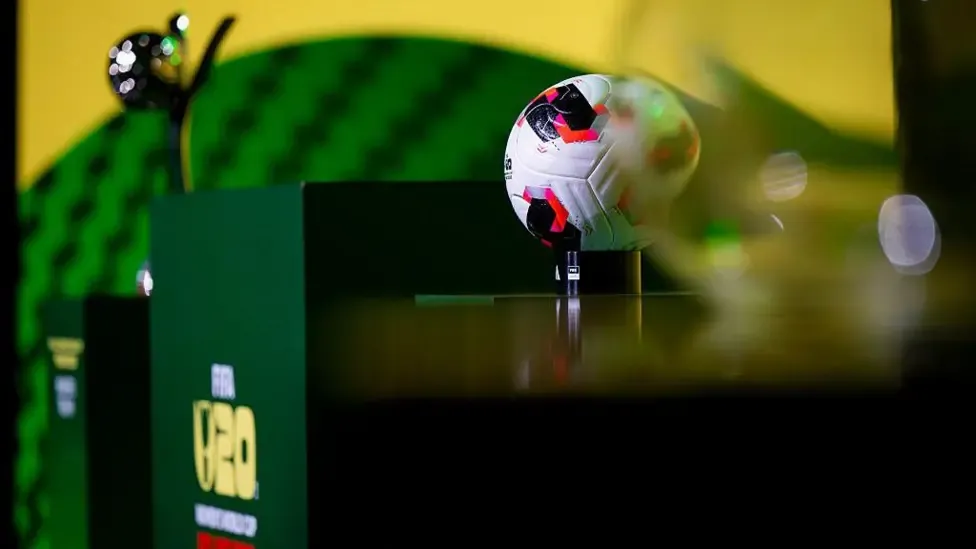
The first major test of Uefa‘s boycott stance is expected to occur at the Fifa Women’s U20s World Cup, which is set to begin in Poland on 5 September. Six European nations, including England, are scheduled to participate in this tournament. For senior national teams, the boycott’s next significant test will be in October, when England, Scotland, Wales, Northern Ireland, and the Republic of Ireland are scheduled to compete in play-offs for qualification to the 2027 Fifa Women’s World Cup.
Uefa and its allies, including European Football Clubs and Concacaf, are reportedly prepared to escalate their actions, potentially refusing to engage with Fifa on key discussions necessary for staging competitions and running the game. This strategy could make the global game “ungovernable” if Infantino remains in power. High-level sources indicate that boycotts and letters of no confidence from various individual federations will continue.
The controversy stems from proposals that were reportedly conceived in secrecy and negotiated behind closed doors, with national associations not consulted and given a short deadline to back them, along with a promised incentive. Fifa‘s chief operating officer, Kevin Lamour, had strongly criticised Infantino‘s FFE plan, describing it as “the project of one person.” Lamour stated that the time had come for football’s political leaders to ask themselves the right questions and make the right decisions.
Uefa continues to seek answers to key questions regarding the aborted proposals, including who was involved, whether there was a competitive tender process, and if Infantino stood to benefit personally. The European governing body has indicated it will not be content until these questions are answered or Infantino leaves his position.
The situation highlights a significant division within global football governance, with Uefa maintaining its critical stance despite Fifa‘s internal show of support for its president. The upcoming tournaments in Poland and the 2027 Fifa Women’s World Cup play-offs will be crucial in determining the impact of Uefa‘s ongoing boycott threat.
Source: bbc.co.uk