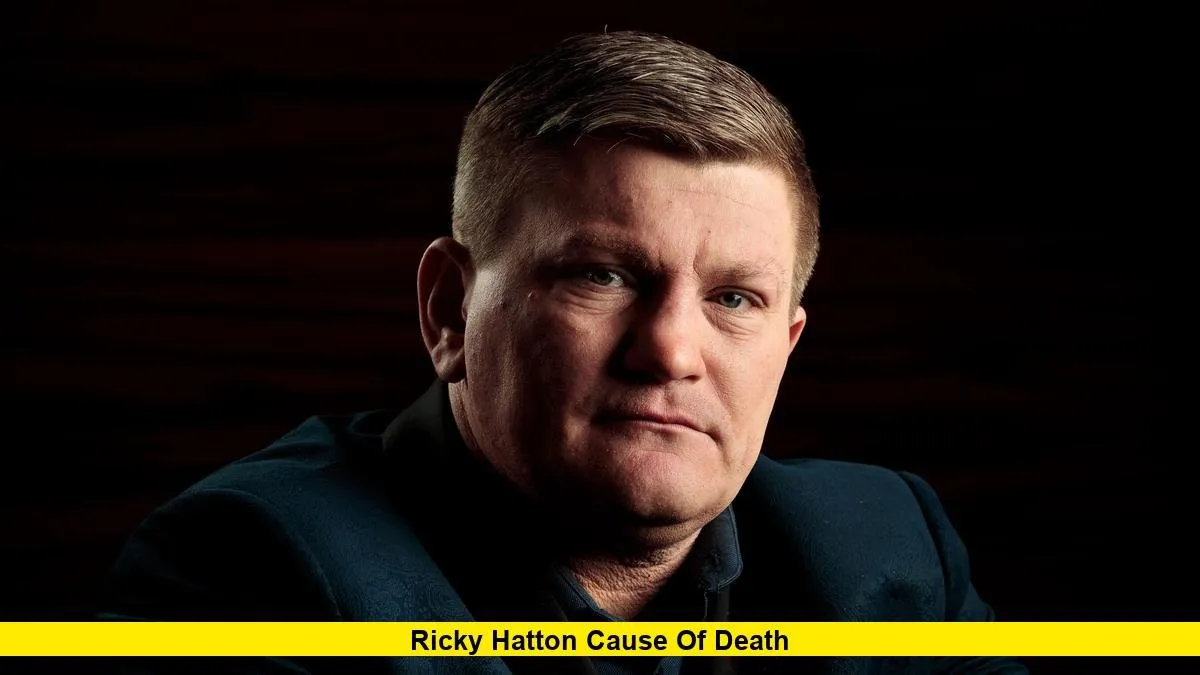
On March 20, 2026, the boxing world was rocked by the tragic news of Ricky Hatton’s death at the age of 46. The former champion, known for his electrifying career and charismatic personality, was found hanged with a bedsheet in his home in Hyde, near Manchester. This shocking discovery was made by his manager, Paul Speak, who reported that no suicide note was found at the scene.
In the days leading up to his death, Hatton had been struggling with significant mental health issues, exacerbated by a history of substance use following his retirement from boxing. His family revealed that he had been drinking heavily shortly before his death, exceeding the legal drink-drive limit by 2.5 times. This troubling behavior, coupled with his ongoing battle with alcohol and cocaine addiction, painted a concerning picture of the former athlete’s state of mind.
The inquest into Hatton’s death took place at South Manchester coroners’ court, where the coroner, Alison Mutch, stated, “I cannot be satisfied that he intended to take his own life.” This statement underscores the complexities surrounding Hatton’s mental health, particularly in light of his diagnosis of Chronic Traumatic Encephalopathy (CTE), a degenerative brain disease often found in athletes with a history of head trauma.
Neil Papworth, a medical expert, noted, “As a boxer, Mr Hatton would have sustained repeated blows over his career,” highlighting the potential impact of his profession on his mental health. Hatton’s family had previously reported that he experienced significant memory loss and confusion, symptoms commonly associated with CTE.
Despite these challenges, Hatton had made plans for the future, including an exhibition boxing match in Dubai, indicating that he still held aspirations beyond his past struggles. His son, Campbell Hatton, reflected on his father’s post-boxing life, stating, “Post-boxing, my dad had mental health issues and also issues with alcohol and cocaine.” This candid acknowledgment of Hatton’s struggles adds a layer of poignancy to his legacy.
Throughout his illustrious career, Ricky Hatton won 45 of his 48 professional bouts, earning him a place as one of Britain’s most popular boxers. His passing not only leaves a void in the boxing community but also raises urgent questions about the mental health of athletes, particularly those who have endured the physical and psychological toll of their sport.
As the investigation continues, the circumstances surrounding Ricky Hatton’s death serve as a stark reminder of the importance of mental health awareness in sports. The legacy of this beloved boxer will undoubtedly spark conversations about the need for better support systems for athletes facing similar challenges. Details remain unconfirmed, but the impact of Hatton’s life and untimely death will resonate for years to come.