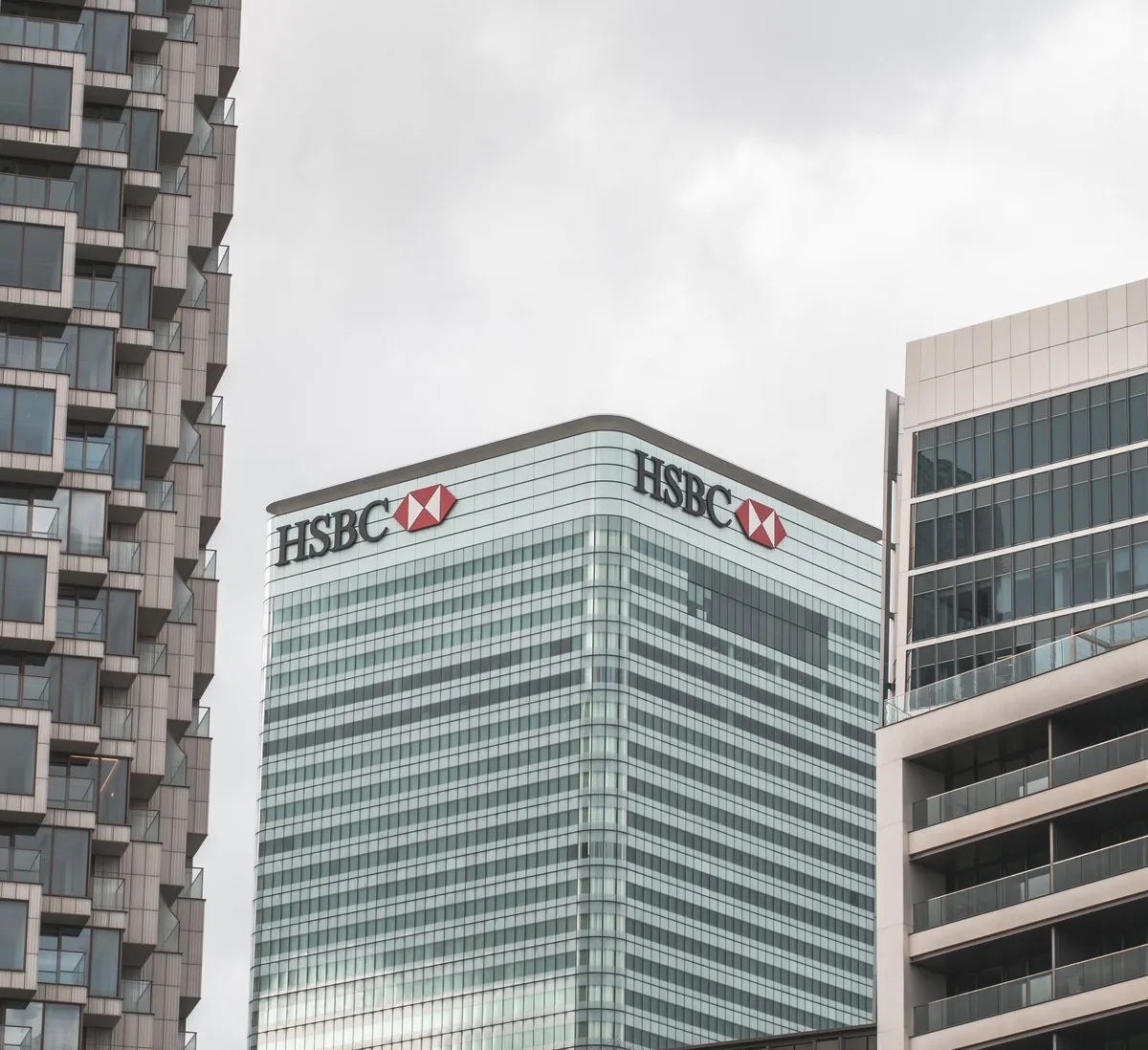
Major high street banks will now be required to give customers 90 days’ notice before closing accounts. This significantly increases the previous notice period of two months.
The new de-banking regulations will take effect from April 28, 2026. Banks must also provide a written reason when they close an account.
Customers dissatisfied with account closures can challenge these decisions through the Financial Ombudsman Service. Emma Reynolds stated, “Under the new rules, customers will receive more notice of account closures, be entitled to an explanation as to why their account has been closed and have more opportunity to challenge such decisions.”
The regulations aim to enhance customer protection and prevent abrupt access denials to banking services. Small businesses are expected to benefit significantly from these changes.
Importantly, the nine largest personal current account providers must offer basic bank accounts to UK residents without existing accounts. This is a crucial step towards ensuring broader access to banking services.
De-banking refers to banks terminating accounts or refusing to establish them for certain customers. The issue gained national attention in 2023 after Coutts closed Nigel Farage’s accounts, highlighting the need for regulatory reforms.
The updated regulations are part of Labour’s initiatives announced in April 2025. They reflect an ongoing commitment to strengthen protections against de-banking practices.
Still, some details about the implementation of these rules remain unclear. Observers are keenly watching how banks will adapt their practices in response.
As April 2026 approaches, stakeholders anticipate further discussions on how these regulations will reshape customer relations within the banking sector.