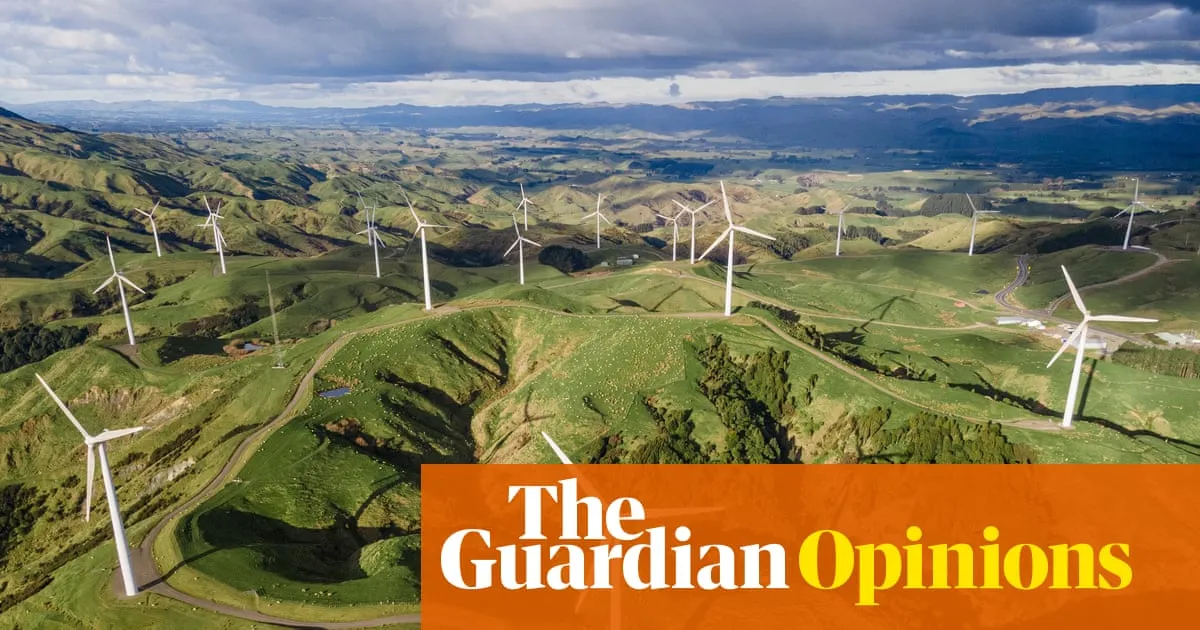
The ongoing Iran war is unexpectedly accelerating the global transition towards clean energy. As of early May 2026, the conflict has led to significant disruptions in oil exports from Iran due to a US blockade.
On May 3, Iran found itself unable to export oil, resulting in a standoff over the Strait of Hormuz. This crucial waterway has become a flashpoint as tensions rise.
Within hours, the International Energy Agency reported that almost 40 countries are taking emergency measures due to soaring oil and gas prices. The situation has triggered an energy crisis across multiple regions.
Demand for electric vehicles has sharply increased. In March alone, continental Europe saw a reported 51% rise in demand for electric vehicles as consumers seek alternatives to traditional fuels.
The United Arab Emirates recently withdrew from OPEC+, likely aiming to ramp up its own oil and gas supplies amid the crisis. Meanwhile, OPEC+ agreed to increase oil production by 188,000 barrels per day in response to the escalating situation.
Former President Donald Trump suggested he could order new military action against Iran if there is no progress toward a resolution. His comments reflect ongoing tensions and uncertainty regarding US policy.
Kazem Gharibabadi, Iran’s Deputy Foreign Minister, emphasized that the US must choose between diplomacy or confrontation. This statement highlights the precarious balance of power in the region.
The implications of this conflict are profound. Nations are increasingly looking towards renewable energy sources as they face rising costs and supply chain disruptions linked to fossil fuels.
This shift could reshape global energy policies for years to come. Countries may accelerate their commitments to renewable technologies as they seek stability amidst uncertainty.