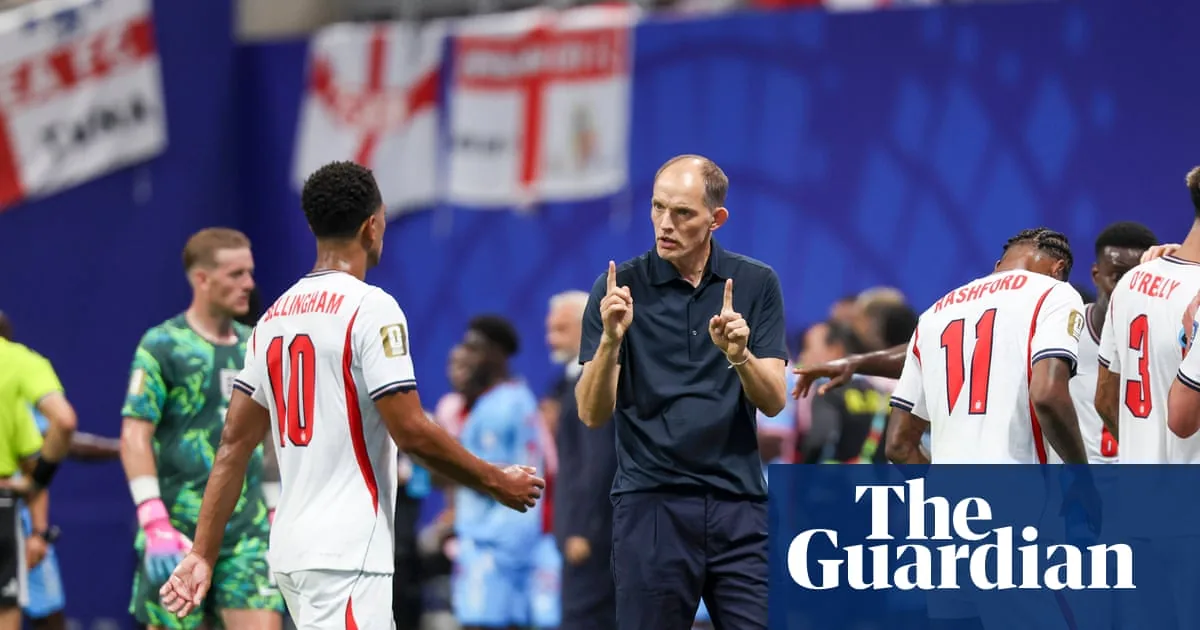
England’s tactical considerations for Mexico clash
England face a significant challenge against Mexico at the Azteca Stadium, where they will contend with an altitude exceeding 7,000ft (2,200m) above sea level. Head coach Thomas Tuchel has indicated that this World Cup would be defined by suffering, and the team’s preparation for the heat in the US may not fully account for the unique conditions in Mexico City. Mexico, having been described as nearly unstoppable at the Azteca, have a strong home record, losing only twice in 89 competitive matches there.
To navigate these conditions, a tactical shift towards a more conservative approach has been suggested. Rather than attempting to impose an attacking style, England may need to adopt a low block strategy to stifle Mexico’s play, particularly their pace on the flanks. This would involve slowing the game down and focusing on control, aiming to prevent chaotic play that could benefit the hosts.
Concerns have been raised about England’s readiness for a high-intensity battle, particularly regarding Declan Rice’s midfield speed and issues on the right side of the defence. The team’s pressing was noted as disorganised during the early stages of their last-32 tie against the Democratic Republic of the Congo. Tuchel’s desire for England to play like a Premier League side might need to be adapted to a more defensive, counter-attacking style for this fixture.
Historical context and squad adjustments
Historical encounters in Mexico have not been favourable for England. Their defence of the trophy in 1970 ended with a loss to West Germany in Léon, and the 1986 quarter-final exit at the hands of Diego Maradona at the Azteca provides further lessons. A summer tournament in Mexico in 1985 highlighted the difficulties of playing at altitude, with players like Glenn Hoddle recalling the physical strain.
During that 1985 tournament, England initially struggled, losing to Mexico and Italy. They subsequently adjusted their style, moving away from pressing to conserve energy, which led to a 3-0 victory over West Germany. However, at the 1986 World Cup, Sir Bobby Robson’s side reverted to a more traditional approach, making a poor start with a loss to Portugal and a draw with Morocco. A team meeting ultimately led to a more conservative strategy, resulting in a 3-0 win against Poland and another 3-0 victory over Paraguay at the Azteca.
For the upcoming match, England may need to silence the home crowd by playing a compact and controlled game, focusing on set pieces. Suggestions include using Harry Kane’s through balls to release Anthony Gordon on the break. There is also a consideration to remove a winger and deploy Morgan Rogers as an additional midfielder. Furthermore, moving Ezri Konsa to right-back and bringing in John Stones for central defence has been proposed to add experience, especially after defensive vulnerabilities were observed in the match against the Democratic Republic of the Congo.
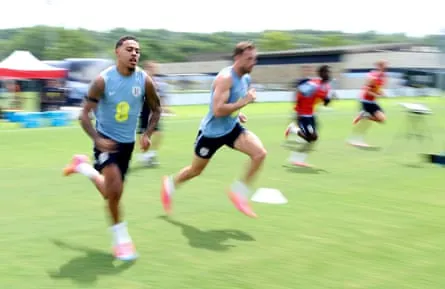
The right-back position has been a persistent issue for England, with Declan Rice having to cover the role in the match against the Democratic Republic of the Congo. While Alan Shearer noted Rice’s positive impact in that position, contributing to an equaliser, other former players like Micah Richards and Wayne Rooney argue that Rice’s energy is crucial in central midfield, particularly at altitude. Richards suggested Ezri Konsa at right-back with John Stones alongside Marc Guehi in central defence for better team balance.
Squad depth and creative concerns
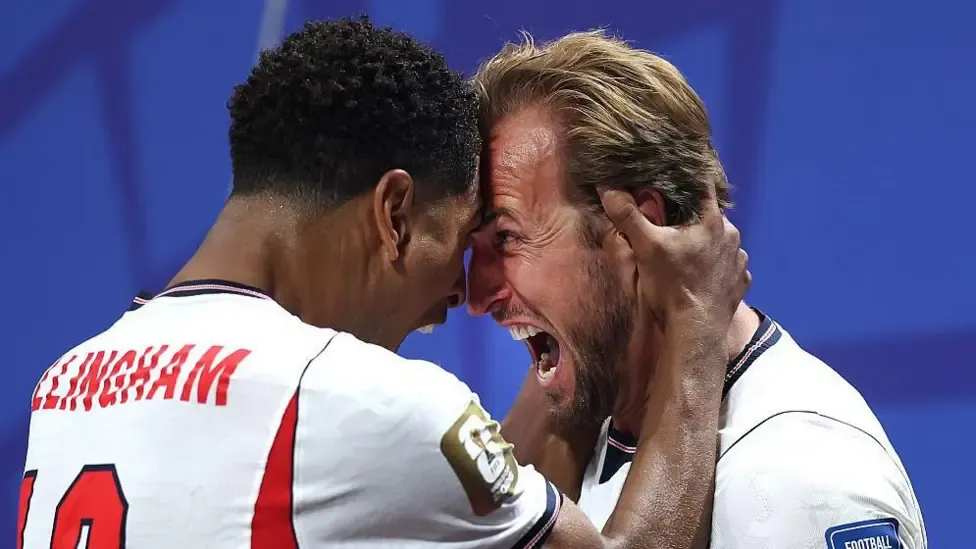
Despite the heroics of players like Harry Kane and Jude Bellingham, who have been key contributors with goals and inspiration, concerns remain about the overall squad depth and creative output. Both Kane and Bellingham were on target in Group L wins against Croatia and Panama, and were pivotal against the Democratic Republic of the Congo. However, the team’s reliance on these two players highlights a potential vulnerability if others do not step up.
Anthony Gordon made a significant impact off the bench against the Democratic Republic of the Congo, but Marcus Rashford and Noni Madueke had a frustrating outing. Bukayo Saka is also managing an Achilles problem, limiting his involvement. The exclusion of creative players like Cole Palmer and Phil Foden from the World Cup squad has been debated, with some suggesting a lack of creative force, particularly evident in the goalless draw against Ghana.
The roles of strikers Ollie Watkins and Ivan Toney have also been scrutinised. Despite Kane’s strong form, Tuchel’s apparent reluctance to use Watkins and Toney, who have seen limited to no game time, raises questions about his trust in them as alternatives. Toney, for instance, was an unused substitute in the win against the Democratic Republic of the Congo, despite England chasing the game.
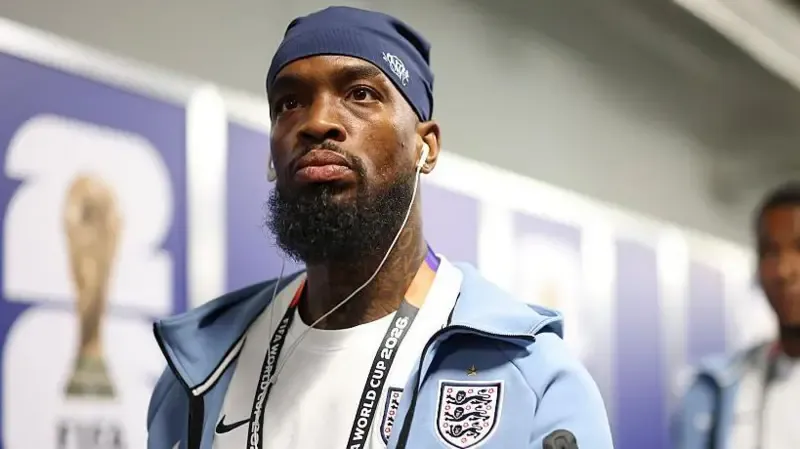
The team’s openness in midfield when losing possession is another concern, as highlighted by Wayne Rooney, suggesting that against stronger opposition, this could lead to significant trouble. Tuchel’s continuous shuffling of players on the flanks and in defence indicates ongoing uncertainty about his optimal starting XI as England prepares for the challenging encounter with Mexico.
Mexico’s striker Raúl Jiménez is considered a dangerous player, while Kane has scored goals for club and country this season.
Read Also
Source: theguardian.com