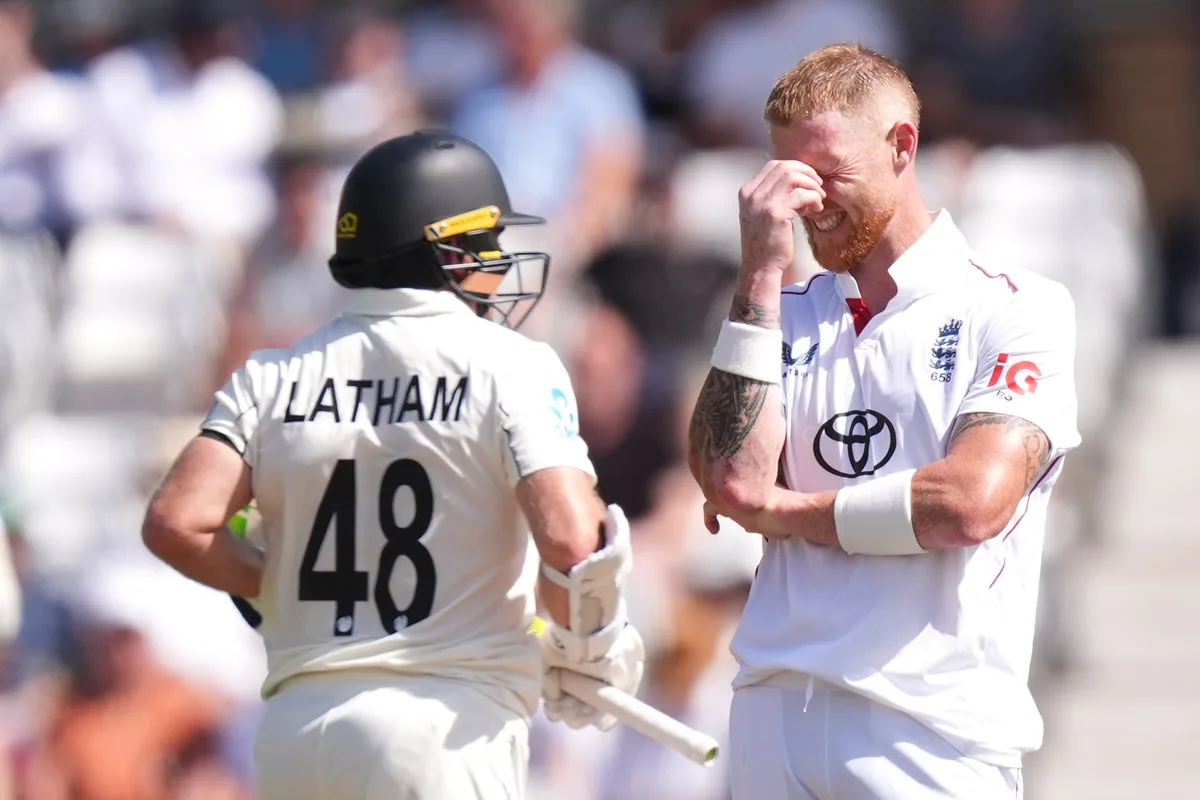
New Zealand’s strong start at Trent Bridge
England faced a challenging opening day in their Third Rothesay Test against New Zealand at Trent Bridge, with the visitors compiling a score of 361-4. Despite the high score, England managed to secure two late wickets, providing a boost at the close of play. The day began with New Zealand winning the toss, a crucial advantage given the extreme heat and a pitch described as flat.
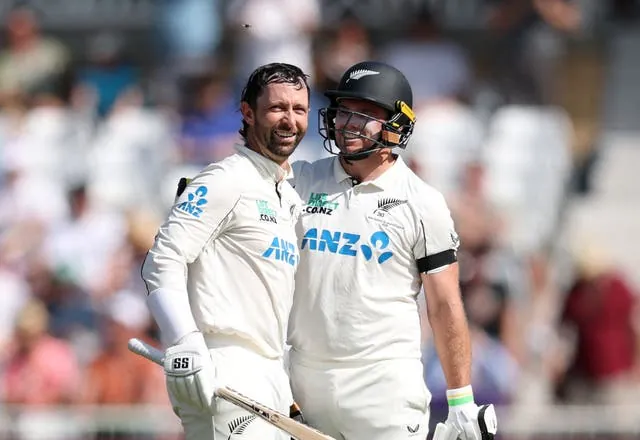
Openers Tom Latham and Devon Conway were instrumental in New Zealand’s strong start, both achieving significant centuries. Their partnership reached 317 runs, marking the highest stand for New Zealand against England for any wicket. This record-breaking collaboration surpassed a previous best set in 1926, though it fell short of the highest opening partnership against England by any team in Tests.
Latham scored 151 runs, while Conway contributed 157. Their innings saw Conway driving through the covers and down the ground, and Latham clipping off his pads. Latham initially scored more freely, with Conway accelerating against the spin later in his innings. Both batsmen showed a willingness to take on short deliveries.
The home side, led by captain Ben Stokes, who was returning to lead the team after missing the second Test, struggled to make breakthroughs for much of the day. Stokes received a warm reception from the Nottingham crowd upon his return. He bowled with energy throughout the day, eventually securing the wicket of Latham.
Missed opportunities and late breakthroughs
England’s efforts were hampered by missed opportunities during the day. Early in Latham’s innings, when he was on eight, he edged a ball from Jofra Archer through a vacant third slip position, which had been recently rearranged by Stokes. Later, when Conway was on 71, he appeared to have defended an off-spin delivery from Shoaib Bashir. Replays indicated the ball would have hit the stumps after striking his front pad first, but England did not appeal for an lbw.
A more significant missed chance occurred when Latham was on 129. He attempted a pull shot off Gus Atkinson, resulting in a simple chance down the leg side. Wicketkeeper Jamie Smith failed to gather the ball, barely getting a glove on it. This drop was described as a significant error, adding to a series of dropped catches for England in the series.
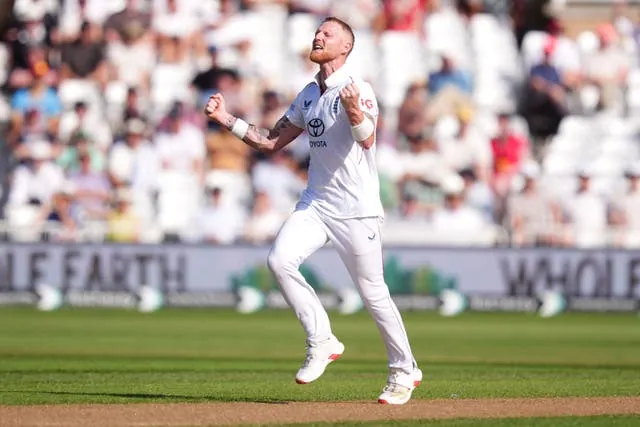
Despite these setbacks, England’s persistence eventually paid off. Stokes secured the breakthrough by getting Latham to feather behind for 151. Shortly after, Conway was caught at long-on off Joe Root’s bowling for 157. These wickets came in quick succession, within seven balls of each other.
The final two balls of the day brought further success for England. Rachin Ravindra, attempting a pull shot off Atkinson, top-edged the ball to Smith. Immediately after, Henry Nicholls edged a delivery from Archer behind, leaving New Zealand at 361-4. These late wickets were a significant bonus for England, celebrated with delight, and kept the home side in contention.
Looking ahead to day two
The late wickets provided England with renewed hope, especially after a period of intense pressure. Stokes had previously stated that his team was under the “highest pressure” of his tenure, following a run of two wins in their previous nine Tests and recent controversies. To avoid further scrutiny of leadership positions, England needs to win or at least draw this decider.
New Zealand entered the match with a weakened squad, with Kyle Jamieson rested and both Matt Henry and Glenn Phillips absent due to injury. Despite this, their openers capitalised on the favourable conditions. The surface is expected to remain good for batting, offering England an opportunity when they begin their innings.
Historically, England has shown resilience, having won Tests three times in the past four years despite opponents scoring over 500 in their first innings. One such instance occurred at Trent Bridge in 2022 against New Zealand. England will return refreshed on day two, with a ball that is barely four overs old, and with nightwatchman Will O’Rourke and Daryl Mitchell yet to bat.
Source: bbc.co.uk