As Cinco de Mayo approaches, celebrations in the U.S. are increasingly focusing on honoring Mexican history and culture rather than just revelry. The holiday commemorates the May 5, 1862 victory of Mexican forces over French troops at the Battle of Puebla.
Historically, Cinco de Mayo is often confused with Mexican Independence Day, which is celebrated on September 16. In fact, this holiday is more widely celebrated in the United States than in Mexico itself.
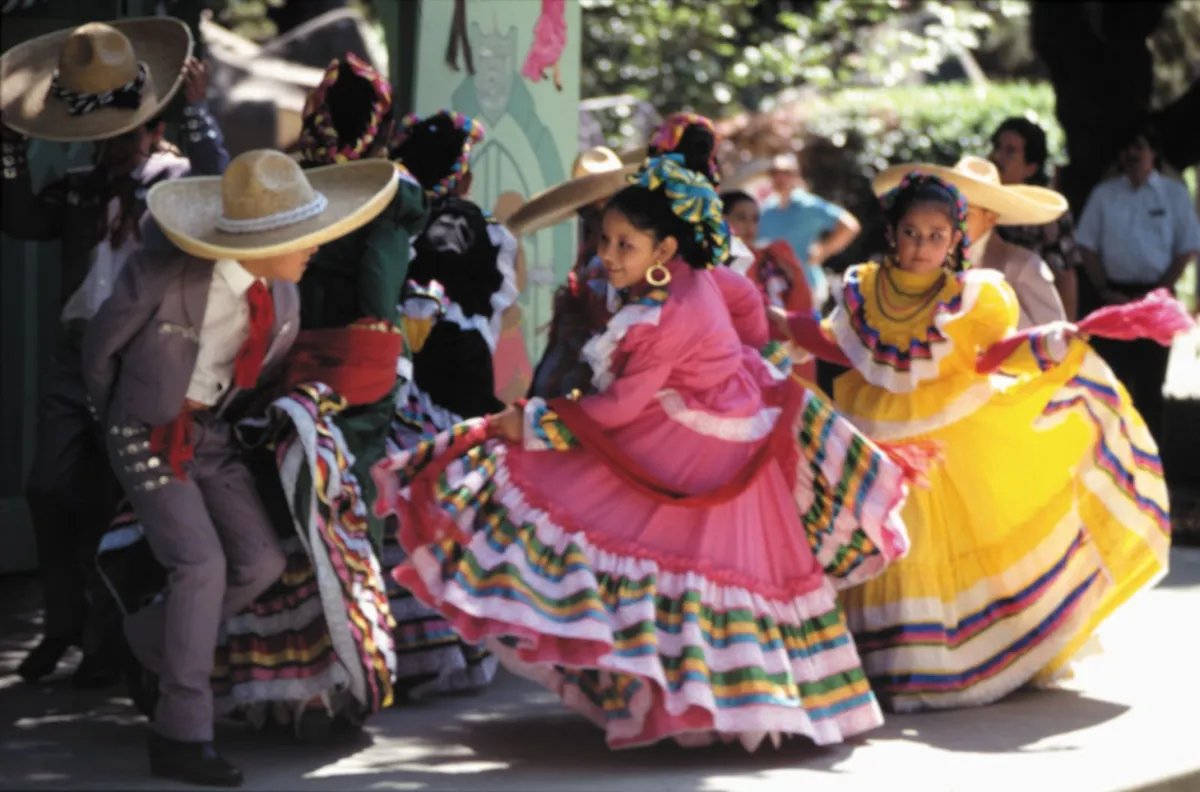
Celebrations typically include parades, street food, mariachi competitions, and traditional Mexican cuisine. Many festivities also feature folklórico dancers showcasing vibrant cultural heritage.
Key statistics:
- Hispanic-owned firms accounted for 8.4% of U.S. employers in 2024.
- The Battle of Puebla occurred in 1862.
- Sotol is emerging as a third pillar of Mexican spirits alongside tequila and mezcal.
- The Dasylirion plant used for sotol takes about 15 to 20 years to mature.
Nayomie Mendoza stated, “It just showed resilience. So, on Cinco de Mayo we always make it a testament of our resilience.” This sentiment reflects a growing awareness among celebrants about the holiday’s deeper significance.
Despite its festive nature, observers emphasize the importance of understanding the real history behind what people consume during these celebrations. “Instead of celebrating a stereotype, we might become curious about the real history and culture behind what is in our glass,” an expert noted.
The next major reenactments will occur in Puebla, where historical events from that pivotal day are brought to life each year. As Cinco de Mayo approaches on May 5, communities across the U.S. continue to embrace both celebration and education about their rich cultural heritage.