The Chernobyl disaster occurred on April 26, 1986. It released a radioactive cloud across Europe. This event is considered the world’s worst civilian nuclear accident.
Following the disaster, a 2,600 km² exclusion zone was established. Human activity has been prohibited in this area for decades. As of now, it has transformed into one of Europe’s largest nature reserves.
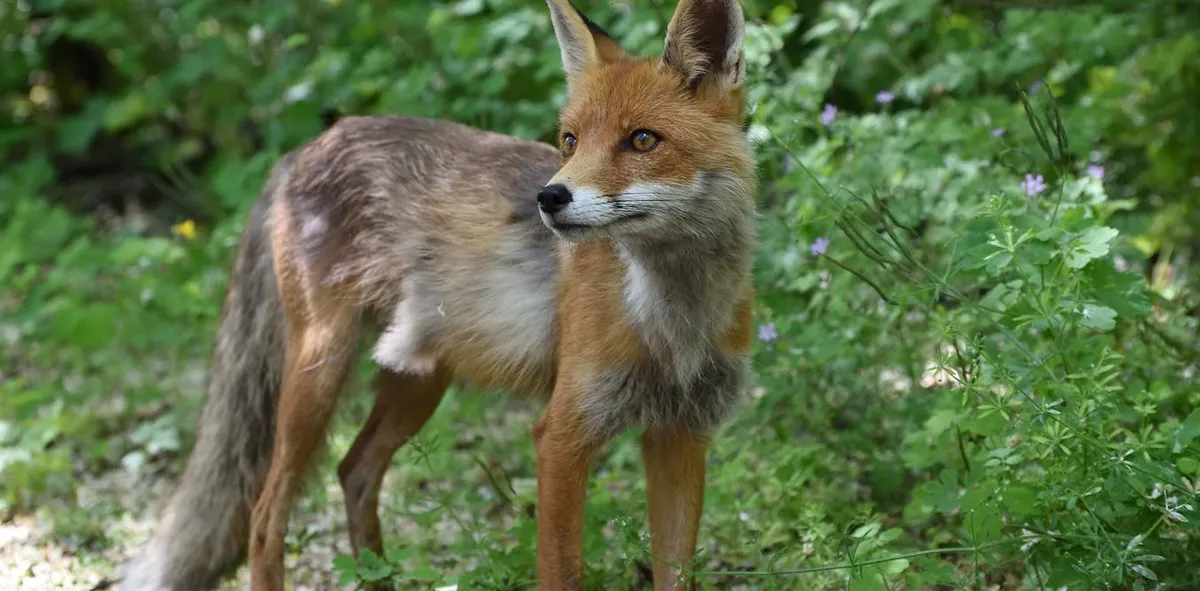
Wildlife populations have significantly increased since then. Species such as wolves, foxes, elk, and wild boar are thriving in the exclusion zone. Przewalski’s horses were reintroduced in 1998. Their population has grown to over 150 today.
As of midday, researchers note that some species have adapted to the radioactive environment. For instance, tree frogs have changed color to cope with their surroundings. Still, not all species have fared well; there are reports of reduced reproductive success and high mutation rates due to radiation exposure.
Within hours of the disaster, approximately 115,000 people were evacuated from nearby areas. Tragically, 31 plant workers and firefighters died shortly after due to radiation poisoning. The impact on human life was catastrophic.
However, studies indicate that the absence of human hunting and development has benefited animal numbers more than radiation has harmed them. “The lack of human activity has had a more positive impact on animal numbers than radiation has had a negative one,” experts say.
Cladosporium sphaerospermum—a melanin-rich fungus—has shown remarkable growth in radioactive environments. Research suggests that under certain conditions, radiation may help it grow faster rather than simply harming it. The main conclusion so far is not that the organism has solved radiation but that it might thrive under specific lab conditions.
As we mark 40 years since the disaster, the Chernobyl Exclusion Zone stands as a testament to nature’s resilience and adaptability. It provides critical insights into how ecosystems recover when undisturbed by human interference.