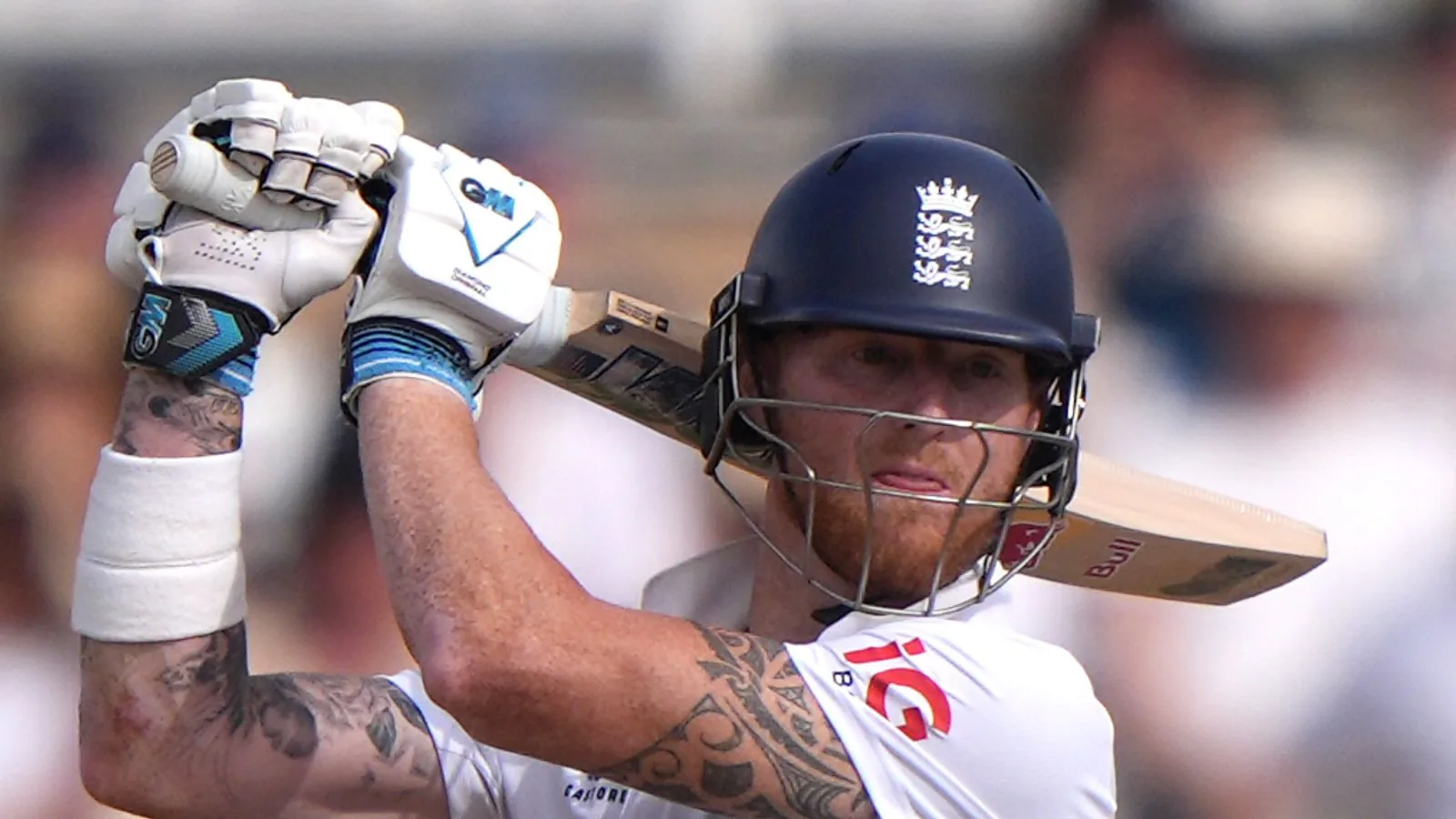
Ben Stokes, the England captain, has announced his retirement from international cricket, with his final appearance set to be on the fifth day of the third Test against New Zealand. The decision was made public on Sunday, during the ongoing match at Trent Bridge, where Stokes was bowling at the time. This announcement follows a period of turbulence for the all-rounder, including a 4-1 Ashes defeat and a recent nightclub incident.
Former captain Michael Vaughan has indicated that he expects further leadership changes within English cricket following Stokes’ departure. Vaughan suggested that the current leadership group might not remain intact, especially when looking ahead to the next home Ashes series against Australia in 2027. He even speculated that Stokes could potentially return for a final appearance in that series if significant changes at the top occur.
Stokes, who is 35, informed his teammates of his decision before day four of the match. His retirement was announced at 15:25 BST, and remarkably, he took a wicket with his very next delivery, dismissing Zak Foulkes. Despite ending his international career, Stokes confirmed he would continue to play for Durham.
Stokes’ Decision and Recent Events
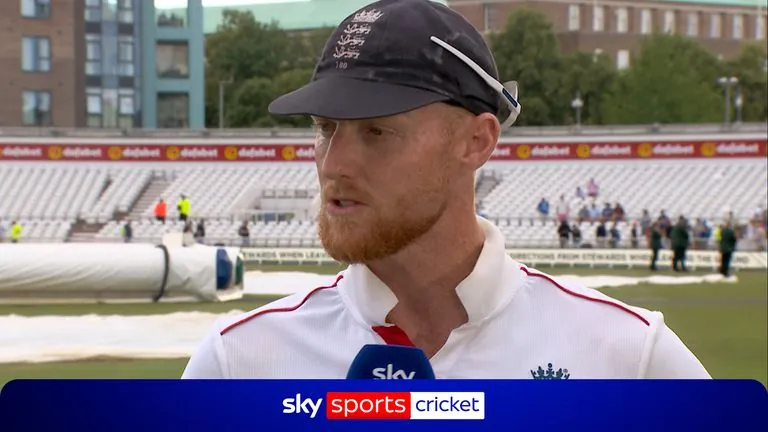
Stokes described his decision to retire as the “best thing” for him, clarifying that it was not a direct result of recent events. He admitted to having considered his future after the Ashes series and prior to the New Zealand series opener at Lord’s. Stokes explained that the Lord’s Test brought back some negative feelings about his career trajectory, despite his efforts to recover from the Ashes.
The all-rounder missed the second Test against New Zealand due to an incident at a London nightclub. He was subsequently cleared to return as captain for the third Test at Trent Bridge. Vaughan highlighted a perceived “lack of trust” between Stokes and the England and Wales Cricket Board (ECB) following the nightclub incident, suggesting it might have been a contributing factor to his decision.
On the day of his announcement, Stokes was promoted to open the batting and scored 30 runs from 20 balls. England closed the day at 103-4, still needing 270 runs to avoid a series defeat against New Zealand. Stokes received a guard of honour from both teams as he entered the field for his final innings and a standing ovation upon his dismissal.

Reflecting on his decision, Stokes stated that he gave himself ample time and consulted with many people throughout the process. He mentioned that putting on his pads on Saturday, preparing to go out, felt like the “last nail in the coffin” for his international career. He expressed excitement about playing for his boyhood club, Durham, in the next chapter of his career.
Impact and Future Leadership
Brendon McCullum, England head coach, praised Stokes as a legend who inspires young players with his heart and bravery. He acknowledged Stokes’ journey as captain and expressed that while his time as skipper has ended, he will remain a great friend. McCullum hopes Stokes’ next chapter will be as successful as his international career.
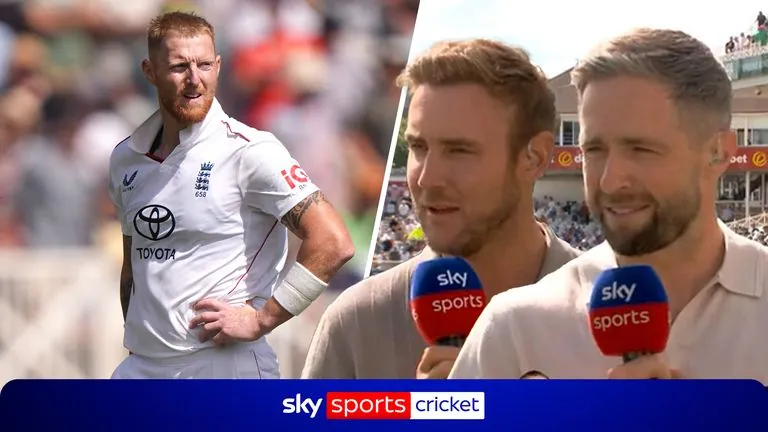
The retirement comes after a period where Stokes, alongside McCullum, led a revitalisation of the Test team, encouraging an attacking style of cricket. This approach led to immediate success, with England winning 10 of their first 11 Tests under their leadership. Stokes’ captaincy had a strong success rate, winning almost 56% of his 43 Tests as captain.
However, the team faced challenges against major opponents, including having to fight back from 2-0 down to draw 2-2 in the home Ashes of 2023, and a 4-1 defeat in India the following winter. The series against New Zealand was intended as a reset after the Ashes defeat, which was marked by off-field issues and concerns about the team environment.
The question of who will succeed Stokes as England captain remains open, with white-ball captain Harry Brook and former captain Joe Root among the potential candidates. England‘s next Test match is scheduled for 19 August against Pakistan.
Read Also
Source: bbc.co.uk