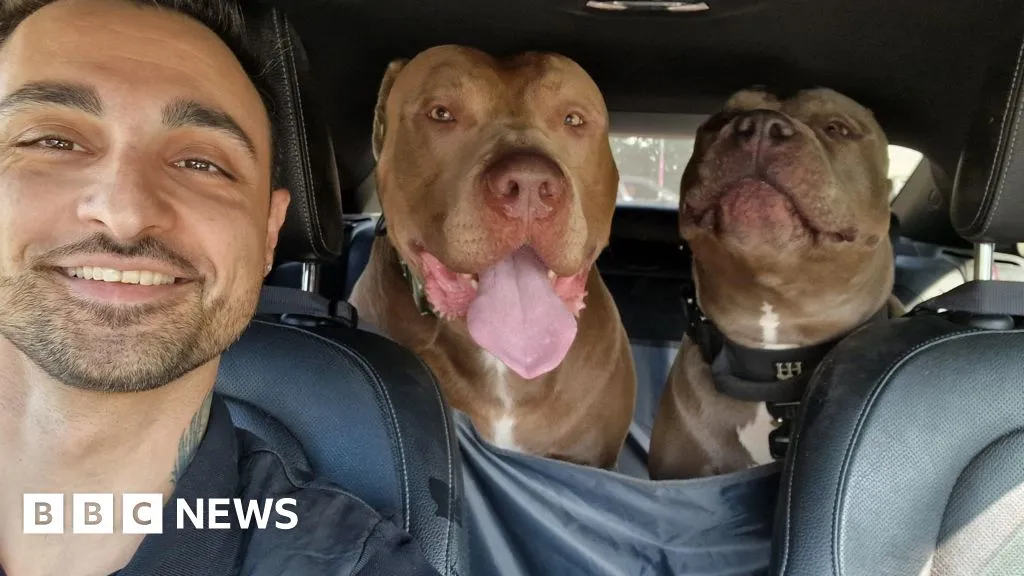
XL bullies were banned in the UK in 2024 following a series of alarming attacks. This ban has become increasingly relevant after the tragic death of 84-year-old John McColl, who succumbed to injuries sustained during an attack by an XL bully on February 24 last year.
The incident has sparked a trial against Sean Garner, who is accused of owning a dog that caused injury while dangerously out of control. Reports indicate that police marksmen had to shoot the attacking dog, named Toretto, 10 times to subdue it.
Garner, who had owned Toretto for about four-and-a-half years, claimed that McColl released the dog from a shed before the attack. He described Toretto’s behavior as “brilliant” and “perfect” around other dogs and people, raising questions about the circumstances leading to the incident.
Despite Garner’s assertions, the kennel owner has reported a disturbing increase in dog bites during holiday periods, underscoring the potential dangers posed by XL bullies. The kennel houses some of the UK’s most dangerously out of control dogs, highlighting the urgent need for stricter regulations.
Garner did not disclose to his landlord that he owned two XL bullies and one micro bully dog, further complicating the legal landscape surrounding dog ownership. The implications of this case could lead to more stringent enforcement of existing laws regarding dangerous breeds.
As the trial progresses, observers are closely monitoring the situation, with many calling for immediate action to prevent further tragedies. The kennel owner expressed deep concern, stating, “I dread the phone ringing,” emphasizing the fear surrounding these incidents.
The outcome of this trial may set a precedent for how XL bullies and similar breeds are managed in the UK, with officials indicating that stricter measures could be on the horizon.
Details remain unconfirmed regarding potential changes to legislation, but the urgency of the situation cannot be overstated. The public is left grappling with the implications of dog ownership and safety in their communities.