The 2026 film adaptation of Wuthering Heights has sparked controversy due to its anachronistic elements and casting choices. Directed by Emerald Fennell, the film features Margot Robbie as Catherine Earnshaw and Jacob Elordi as Heathcliff. Critics have raised concerns about the portrayal of these iconic characters from Emily Brontë’s Gothic fiction.
As of early Tuesday, the film has already surpassed $240 million at the global box office. However, this financial success does not shield it from scrutiny. Observers note that the adaptation includes scenes depicting masturbation and sadomasochism—elements not present in the original novel.
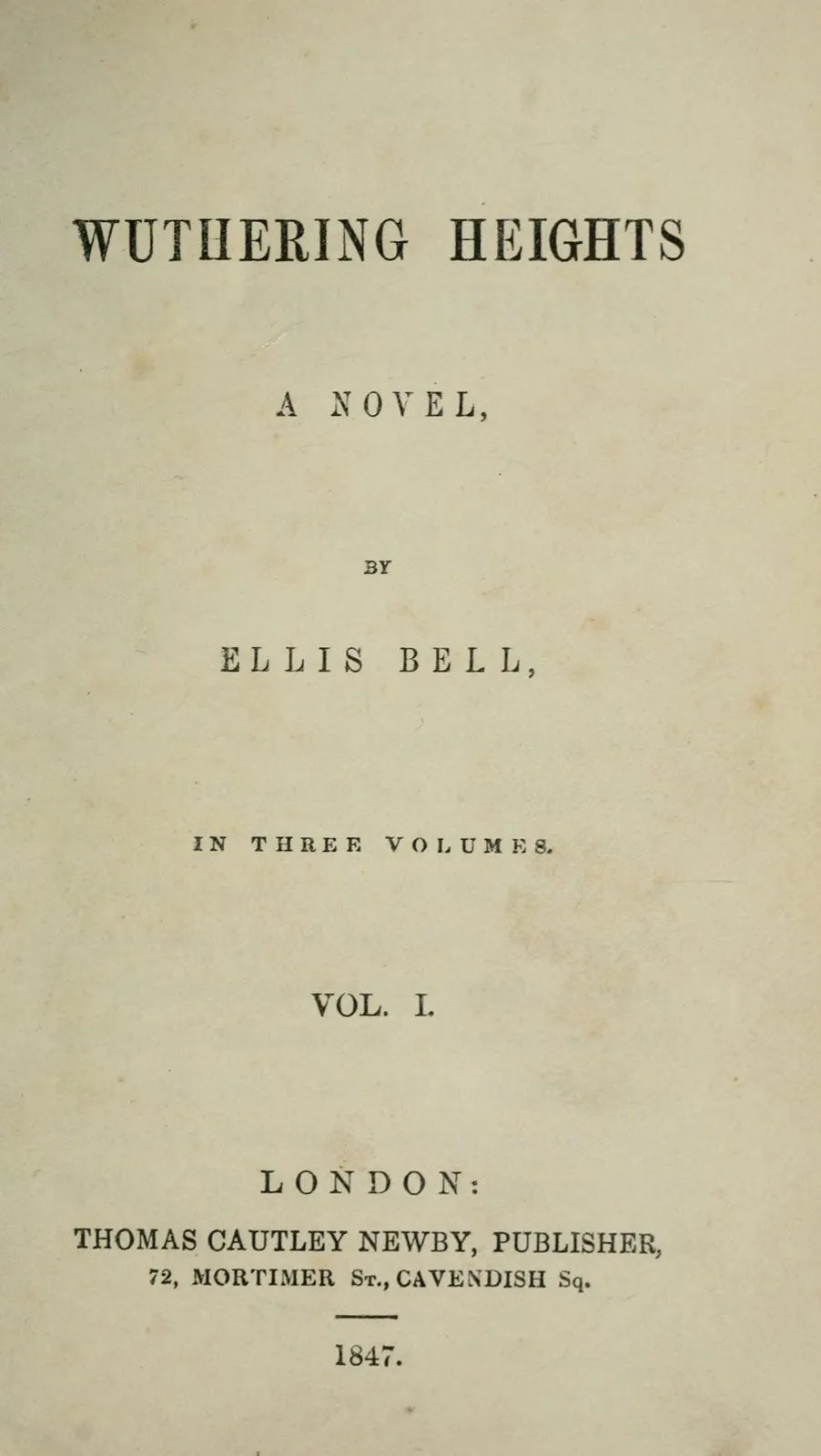
Emily Brontë published Wuthering Heights in 1847 under the pseudonym Ellis Bell. The novel centers on the tumultuous relationship between Catherine Earnshaw and Heathcliff, a foundling described as having dark skin and possibly of Roma origin.
The film’s creative choices have drawn mixed reactions. Some critics argue that it modernizes a classic story for new audiences, while others believe it strays too far from Brontë’s vision. Emerald Fennell stated, “What I can say is I’m making a version of it. There’s a version that I remembered reading that isn’t quite real.”
In addition to its controversial themes, the casting decisions have also generated debate. Many feel that Margot Robbie’s age—she was 35 at the time of release—does not align with the character’s youthful spirit in the book.
Despite initial dismissals by contemporary reviewers labeling it as “immoral” and “vulgar,” Wuthering Heights has evolved into a cornerstone of Gothic literature. David Rooney described this adaptation as “Wuthering Heights for the Bridgerton generation, guaranteed to moisten tear ducts and inflame young hearts.”
The film continues to attract attention as discussions about its artistic liberties unfold. As audiences engage with this new interpretation, the legacy of Brontë’s work remains a focal point for both admiration and critique.