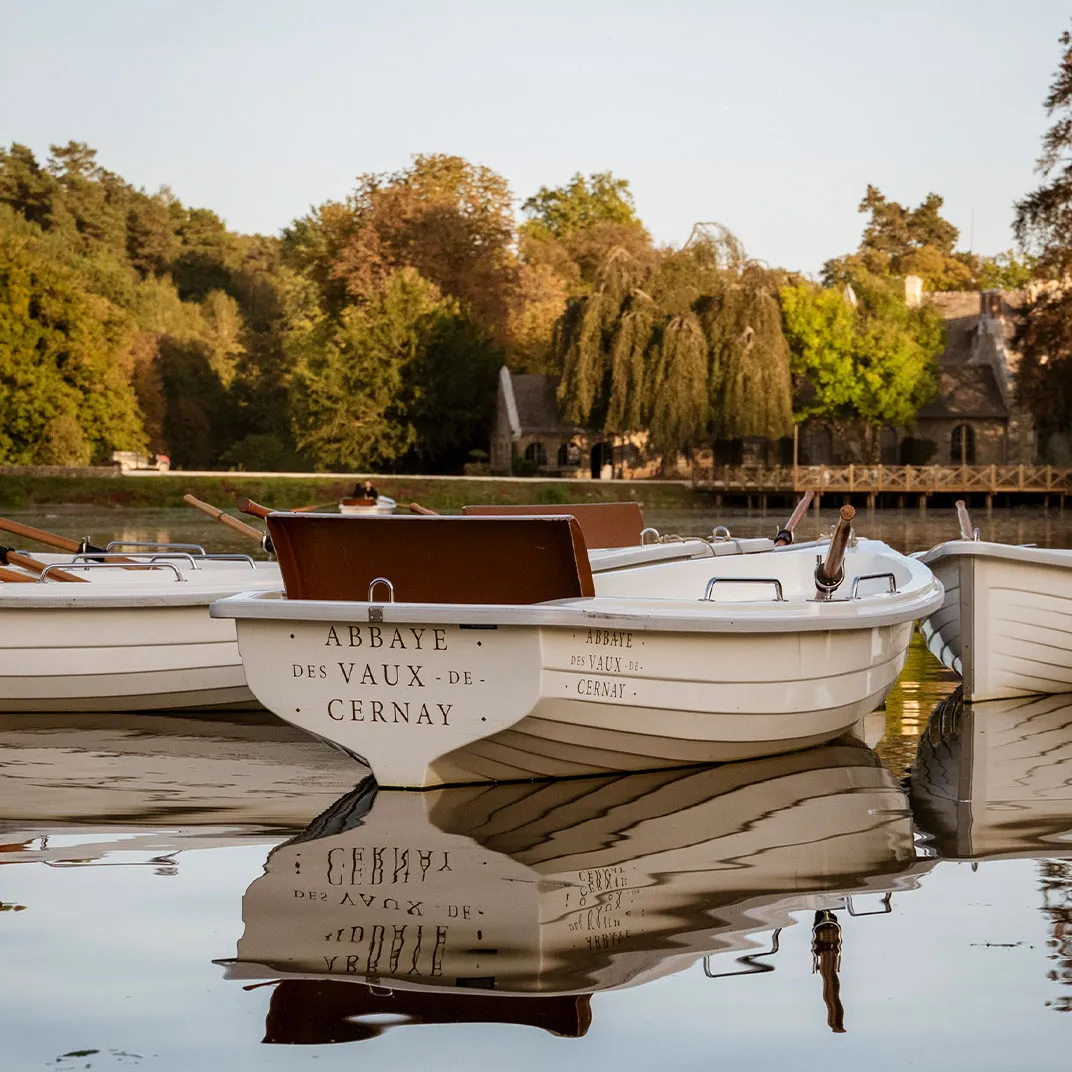
What does the upcoming G7 Foreign Ministers’ Summit mean for Vaux de Cernay Abbey? It signifies a pivotal moment as the historic site prepares to host discussions on pressing global issues from March 25 to 27, 2026.
Vaux de Cernay Abbey, a 12th-century Cistercian site founded in 1147, has been a silent witness to history, abandoned after the French Revolution and later revived in the late 19th century by Baroness Charlotte de Rothschild as a summerhouse. The abbey was classified as a historical monument in 1926 and underwent a significant renovation in 2019, costing €60 million.
The summit will address critical regional and international crises, including tensions in Iran, the ongoing situation in Gaza, and the conflict in Ukraine. As stated, “The choice of the Vaux-de-Cernay Abbey is no coincidence,” reflecting France’s desire to combine crisis management with its geoeconomic agenda.
However, the event is expected to cause considerable traffic disruptions in the Chevreuse Valley. Road closures will be in effect from March 25 at 3 p.m. until March 27 at 6 p.m., impacting local residents and visitors.
With the summit set to draw attention to the abbey, it highlights the blend of historical significance and contemporary geopolitical discussions. The involvement of key figures such as Jean-Noël Barrot, Marco Rubio, and Andrii Sybiha underscores the summit’s importance.
As preparations ramp up, details remain unconfirmed regarding the specific outcomes of the discussions. The world will be watching closely as the G7 ministers convene in this historic setting, poised to tackle some of the most pressing challenges of our time.