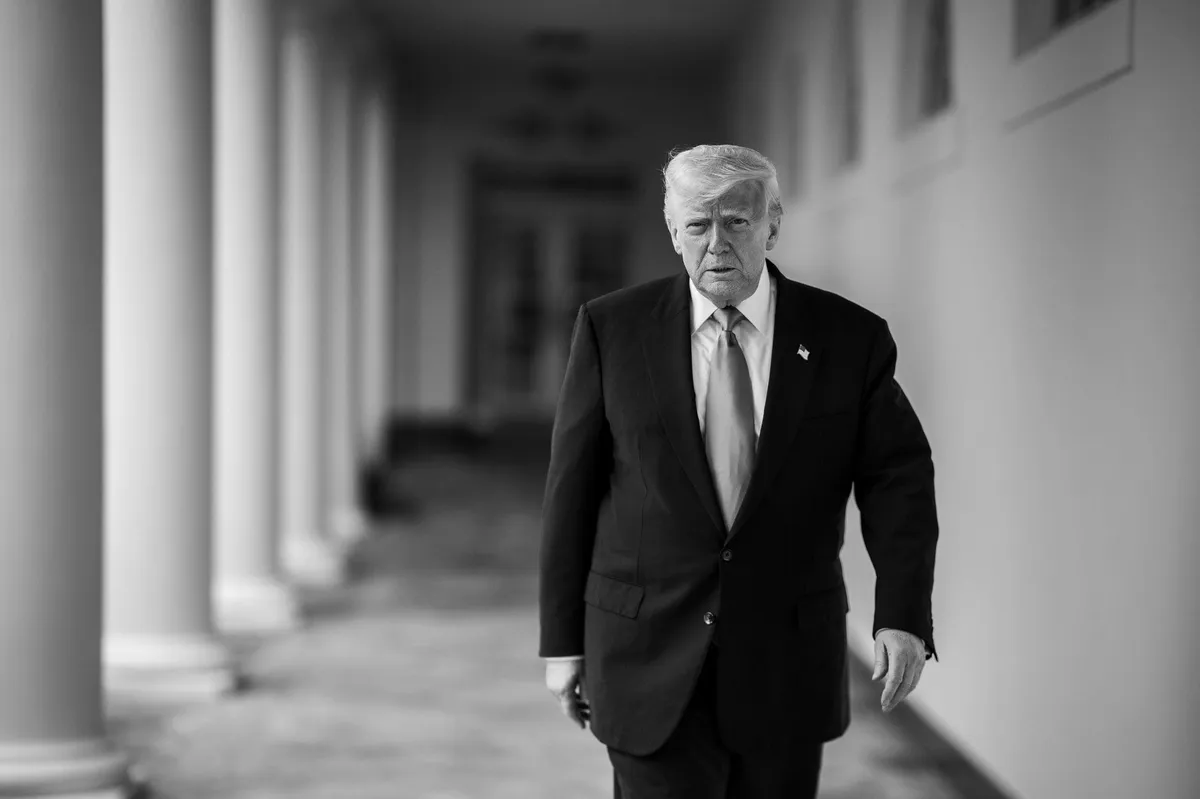
The US has escalated military operations against Iran, leading to a staggering financial burden on the nation. The conflict, which began recently, has already cost the US $11.3 billion in the first six days and surged to $16.5 billion by day 12, according to officials. The White House is now seeking at least $200 billion in additional military spending from Congress to sustain these efforts.
In a significant development, the White House suggested that former President Donald Trump may call upon Arab countries to help cover these costs. Karoline Leavitt, a spokesperson, indicated, “I think it’s something the president would be quite interested in calling them to do.” This move echoes the historical precedent set during the Gulf War, where coalition members raised $54 billion to support military operations.
As tensions rise, Iran has retaliated against US and Israeli strikes with missile and drone attacks across the Middle East, further complicating the situation. The average price of one gallon of petrol in the US has now reached $3.99, more than $1 higher than before the conflict began, reflecting the economic impact of the ongoing military actions.
Sean Hannity, a prominent media figure, emphasized the need for Arab nations to contribute, stating, “They must agree to repay America in oil for the entire cost of this entire military operation.” This statement underscores the urgency of the financial situation as the US grapples with the escalating costs of war.
The US government has also directed every American embassy and consulate to launch coordinated campaigns against foreign propaganda, aiming to mitigate the narrative surrounding the conflict. Observers are closely watching how Arab countries will respond to the White House’s request for financial support.
As the situation develops, officials and analysts predict that the financial implications of the conflict will continue to grow, with potential long-term effects on both the US economy and its foreign relations. The urgency of the matter is clear, as the White House navigates this complex geopolitical landscape.