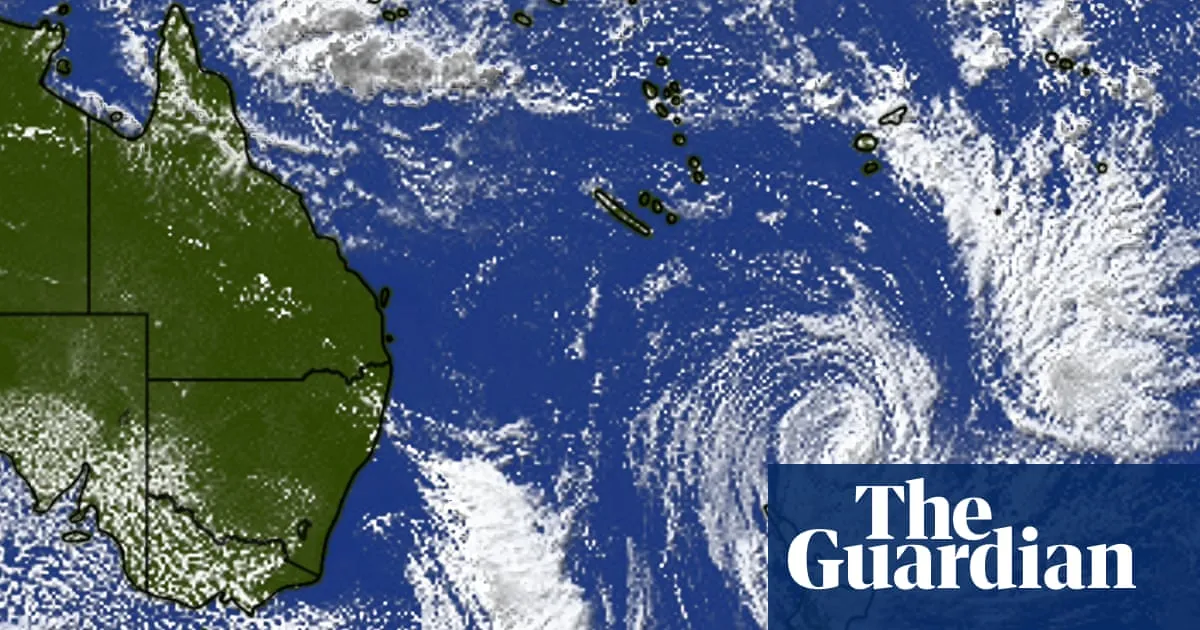
Before the arrival of Tropical Cyclone Vaianu, New Zealand was bracing for a relatively calm weekend. However, the forecast quickly shifted as meteorologists warned of a rapidly intensifying storm that could bring devastating weather conditions to the region. Residents were initially preparing for routine spring weather, but the emergence of Cyclone Vaianu has turned that expectation upside down.
The decisive moment came when the cyclone formed near Fiji and began to strengthen over warm Pacific waters. As of Saturday, April 11, 2026, the storm was projected to bring heavy rain and winds of up to 130 km/h (80 mph) to New Zealand. Emergency declarations were issued in several regions, including Whakatāne, where approximately 37,150 residents were ordered to evacuate their homes in anticipation of the cyclone’s impact.
As the cyclone approaches, the immediate effects are becoming apparent. Wind gusts could exceed 100 km/h in affected areas, and some regions may receive between 100 to 200 mm of rain within short periods. The storm is expected to hit New Zealand on Sunday and pass west of the Chatham Islands on Monday. This rapid escalation has prompted local authorities to take swift action to ensure the safety of residents.
Experts are drawing comparisons to Cyclone Gabrielle, which struck in 2023, resulting in 11 deaths and widespread displacement. The memories of that disaster are fresh in the minds of many New Zealanders, adding to the urgency of the current situation. Christopher Luxon, a local leader, urged residents to prepare, stating, “Make sure drains are free, check in on the neighbours, and be prepared for possible power cuts.”
John Price, an emergency management official, emphasized the importance of immediate action: “Act now and not later – later may be too late!” His warnings reflect the serious nature of the impending storm, as authorities work to mitigate the potential damage and ensure public safety. The cyclone’s trajectory and intensity have raised alarms across the region, prompting a coordinated response from emergency services.
As residents evacuate, the potential for dangerous ocean swells reaching 6-8 meters adds another layer of concern. The impact of Cyclone Vaianu is expected to be significant, and officials are urging everyone to heed warnings. “Trust your danger sense, and don’t wait for official warnings. Do not enter floodwaters, as they are dangerous and can kill you,” Price cautioned.
With the cyclone’s approach, New Zealand faces a critical moment. The storm is not only a meteorological event but also a test of the resilience of communities that have faced similar challenges in the past. As preparations continue, the focus remains on safeguarding lives and property amid the looming threat of Cyclone Vaianu.