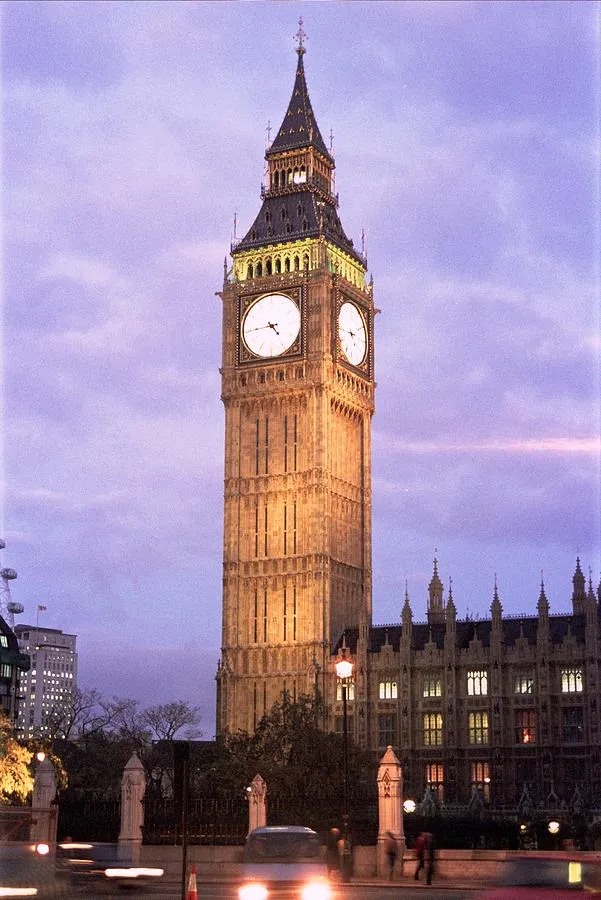
Daylight Saving Time (DST) was first proposed by builder William Willett in 1907, aiming to make better use of daylight during the longer days of summer. In the United Kingdom, this practice continues to affect millions as the clocks go forward at 1am on the last Sunday in March, marking the start of British Summer Time (BST).
This year, the transition occurs on March 29, 2026, prompting discussions about the relevance and impact of this time change. While many electronic devices automatically adjust for the shift, some do not, leading to confusion and potential disruptions.
Health experts have raised alarms regarding the risks associated with the time change. Dr. John O’Neill highlighted that the adjustment exposes individuals to small but significant health risks, including increased incidences of heart attacks and strokes following the clock change. He stated, “It does not really serve much of a benefit to anybody these days, whilst exposing us to a small but significant series of risks.”
Polling conducted in October revealed that 59% of Britons would prefer to remain permanently on BST if the time changes were scrapped. Dr. O’Neill further noted, “I’m sure it was extremely useful for our forebears 100 years ago, but there is quite a strong argument for just having permanent daylight saving these days.” This sentiment reflects a growing dissatisfaction with the biannual clock changes.
Historically, the first country to adopt DST was Germany in 1916, and today, more than 70 countries around the globe observe this practice, primarily in Europe and North America. However, most Asian countries do not participate in Daylight Saving Time.
The phrase “spring forward, fall back” is commonly used to help people remember which way the clocks change. As the UK prepares for the upcoming time shift, the debate over the necessity of DST continues to gain traction.
As the clocks go forward, many will adjust their routines, but the potential health implications remain a pressing concern for experts. Observers are closely watching how public sentiment may influence future decisions regarding time changes in the UK.
Details remain unconfirmed regarding any legislative changes to the current system, but the conversation surrounding permanent BST is likely to persist as health and lifestyle considerations take center stage.