Who is involved
The Other Bennet Sister, a BBC drama, has emerged as a significant reinterpretation of Jane Austen’s classic, Pride and Prejudice. Traditionally, Mary Bennet has been overshadowed by her more glamorous sisters, often viewed as the plain and bookish sibling. However, this new series focuses on her journey, challenging prior expectations of her character and offering a fresh narrative that resonates with contemporary themes.
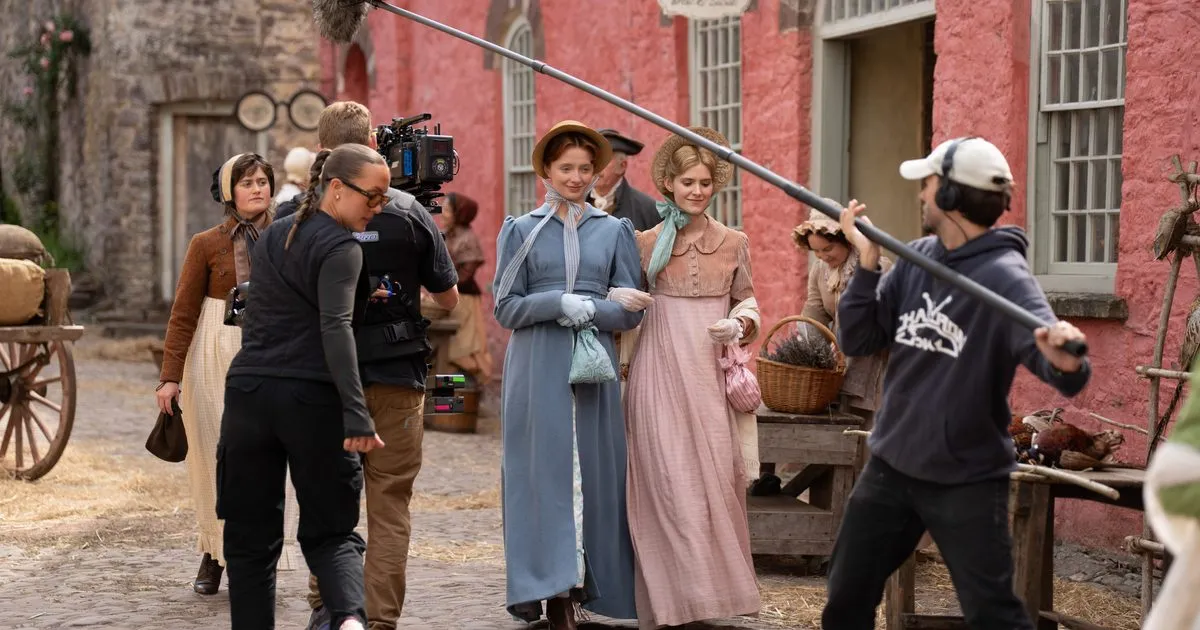
Set to air its next episode on March 29, 2026, the series consists of 10 episodes, each delving into Mary’s quest for identity and love. The show has been well-received by period drama fans, who appreciate its exploration of feminism and the worth of women beyond their physical appearance. Filming took place in picturesque locations across Wales, including Dyffryn House and Gardens, St Fagans National Museum of History, and the Brecon Beacons, enhancing the visual storytelling.
The decisive moment for Mary Bennet comes as she embarks on a transformative journey, realizing her desire for more freedom and self-worth. Ella Bruccoleri, who plays Mary, has expressed her admiration for the filming locations, stating, “I can’t speak highly enough about it; it was like a revelation for me.” This sentiment reflects the show’s commitment to providing a deeper understanding of Mary’s character, as she navigates her own desires in a society that often limits women’s roles.
Alongside Bruccoleri, Laurie Davidson portrays Mr. William Ryder, one of Mary’s love interests. Davidson describes his character as modern and forward-thinking, yet impulsive and easily distracted. This dynamic adds complexity to Mary’s journey, as she seeks a partner who appreciates her for more than just her intellect or social standing. The series promises to portray a nuanced relationship that highlights the importance of mutual respect and understanding.
As the series continues to air on BBC One and iPlayer, it has sparked conversations about the portrayal of women in period dramas. The Other Bennet Sister not only reclaims Mary Bennet’s narrative but also emphasizes the importance of women’s autonomy and self-definition. The show’s exploration of these themes has been praised by critics and audiences alike, positioning it as a progressive take on a beloved classic.
Expert voices in the field of literature and gender studies have noted the significance of this shift. The series challenges the traditional narrative that often confines female characters to secondary roles, instead presenting Mary as a fully realized individual with her own aspirations. This perspective is crucial in today’s cultural landscape, where discussions about women’s rights and representation are more relevant than ever.
The Other Bennet Sister stands as a testament to the evolving nature of storytelling, particularly in adaptations of classic literature. By focusing on a lesser-known character, the series not only enriches the original narrative but also invites viewers to reconsider their perceptions of women in literature. As audiences await the next episode, the anticipation builds for how Mary Bennet’s journey will unfold, offering a refreshing lens through which to view her character.