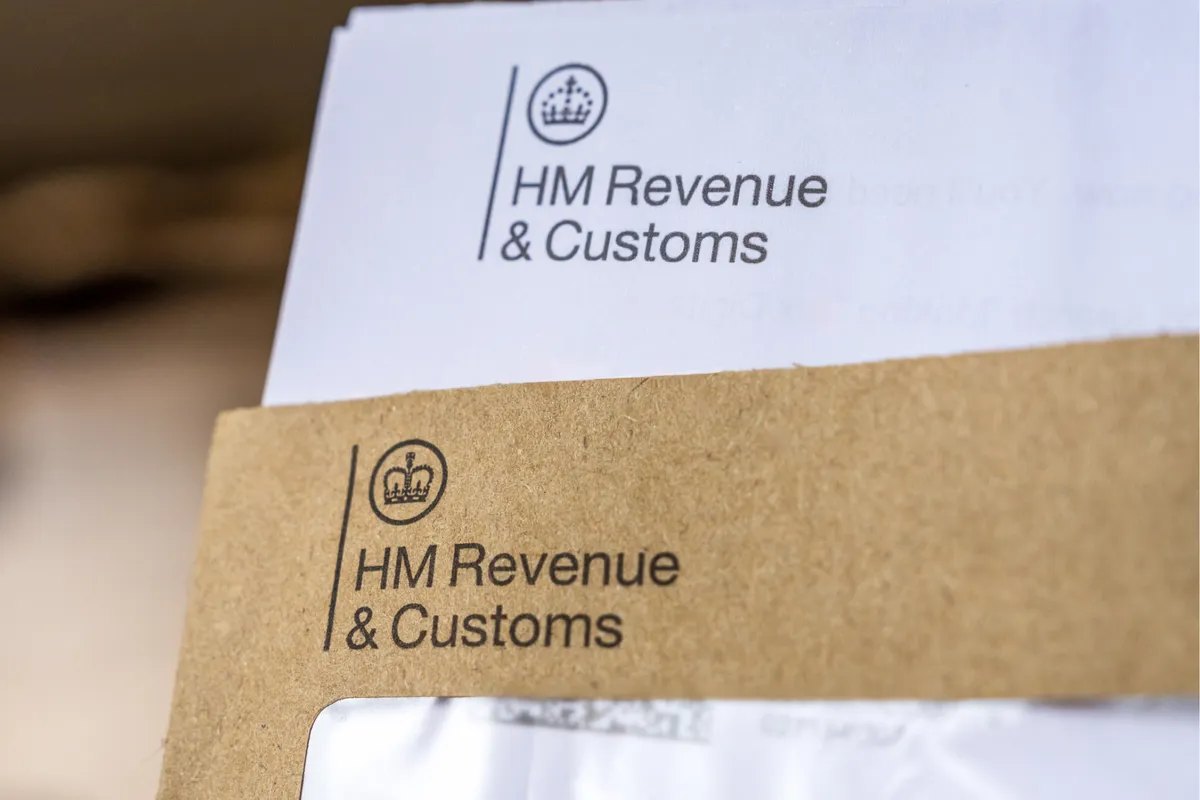
In a startling revelation, over 170,000 taxpayers in the United Kingdom have missed out on tax refunds averaging £800 each, primarily due to uncashed cheques and various administrative issues. This alarming situation has come to light as HM Revenue and Customs (HMRC) reported that 178,180 out of 1.7 million cheques issued last year were never cashed, leading to a staggering total of £144 million in unclaimed refunds.
The HMRC typically sends out P800 letters around June, following the conclusion of the tax year in April, to inform taxpayers of their potential refunds. However, many individuals are unaware of these letters or fail to act on them, resulting in significant sums of money remaining unclaimed. The reasons for overpayment of taxes often include incorrect tax codes, job changes, and early pension payments, which complicate the refund process.
Historically, HMRC has been attempting to reduce the number of cheques it issues, with a notable drop from 4.1 million cheques in the 2023-2024 tax year to just 1.7 million in 2024. This shift reflects a broader trend towards electronic payments, which are viewed as quicker and more secure. A spokesperson for HMRC emphasized, “The vast majority of PAYE repayments are issued via bank transfer, which is now the default option, and the quickest and most secure way for customers to receive their money.”
Despite these advancements, the reliance on cheques remains problematic. Robert Salter, a tax expert, stated, “It is certainly a bit problematic that HMRC continues to use cheques to settle tax refunds in so many cases.” This sentiment underscores the urgency for HMRC to streamline its processes and enhance communication with taxpayers to prevent further losses.
Taxpayers who find themselves in this predicament can request a replacement cheque if their original cheque remains uncashed after six months. However, this process can be cumbersome and may not reach all those affected. With a nine-year time limit for verifying rebates, the window for reclaiming these funds is limited, adding to the urgency for taxpayers to act.
The situation raises significant concerns about the effectiveness of HMRC’s communication strategies and the potential financial impact on individuals who are unaware of their entitlements. As the tax season progresses, it is crucial for taxpayers to remain vigilant and proactive in checking their refund status.
As reactions pour in, it is clear that immediate action is needed to address these administrative shortcomings and ensure that taxpayers receive the refunds they are rightfully owed. The ongoing dialogue surrounding tax refunds in the UK highlights the importance of efficient systems and clear communication between HMRC and the public.