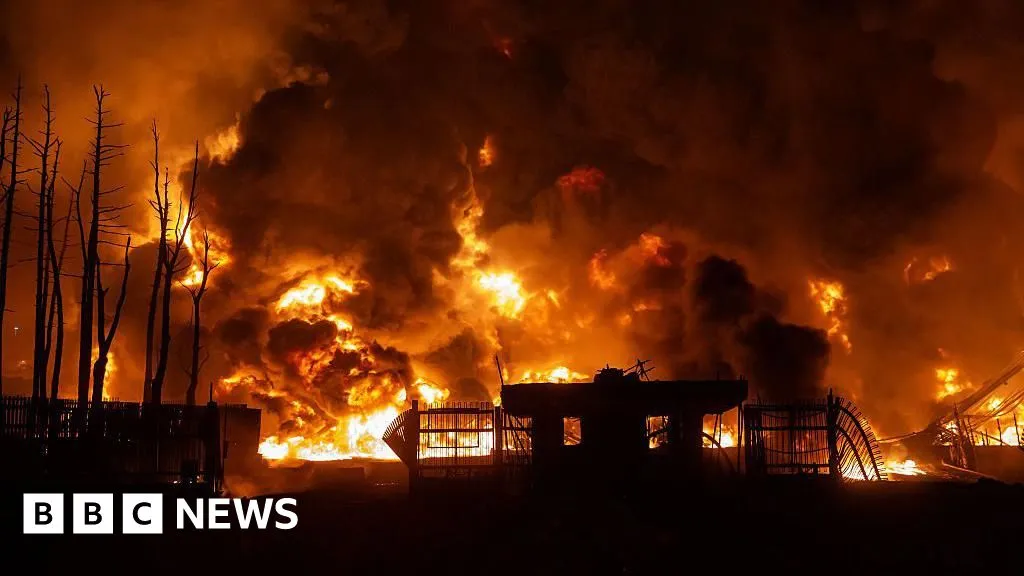
In a dramatic escalation, the US and Israel have launched attacks on Iran following stalled negotiations that reached a critical point on February 27. Former President Trump expressed his dissatisfaction with the negotiations, stating, “I am not happy with the way the talks were going.”
The immediate aftermath of the attacks has seen the replacement of one Supreme Leader with another, as the US and Israel facilitated this transition. The new Supreme Leader is reported to have suffered significant personal losses, including the deaths of several family members in recent strikes.
This military action comes after a series of negotiations between the US and Iran, which had been ongoing prior to the attacks. The geopolitical landscape has shifted dramatically, with the US and Israel taking decisive action in the region.
Financial markets are also reacting to these developments. JP Morgan has reported a year-to-date revenue of US$580 million in Debt Capital Markets (DCM), while BofA Securities follows closely with US$499 million. Morgan Stanley has climbed to third place with US$441 million in DCM revenue.
In the broader context, the US and Israel’s actions appear to have only facilitated the replacement of one Khamenei with another, raising questions about the long-term implications of this leadership change. Observers note that the region remains volatile, with potential for further conflict.
As the situation unfolds, reactions from officials and analysts are beginning to emerge. The international community is closely monitoring the developments, with many expressing concern over the escalation of military actions.
Details remain unconfirmed regarding the full extent of the attacks and their immediate impact on Iran’s military capabilities. However, the shift in leadership and the ongoing military actions signal a significant turning point in US-Iran relations.
The implications of these events will likely reverberate through both regional and global markets, as investors assess the risks associated with heightened tensions in the Middle East.