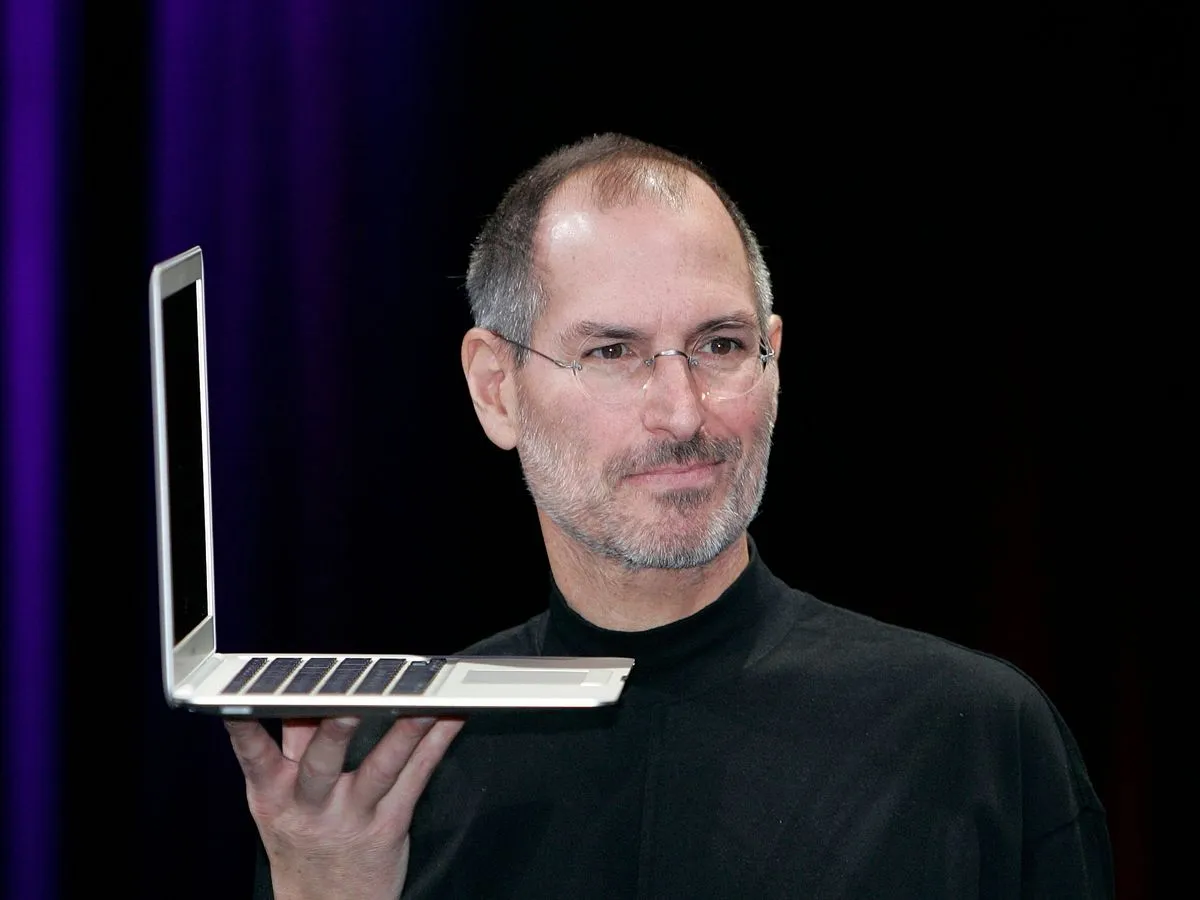
Who is involved
Before the untimely death of Steve Jobs on October 5, 2011, Apple was riding high on a wave of innovation and consumer loyalty. Jobs, the co-founder of Apple, had transformed the tech landscape with groundbreaking products like the iPod, iPhone, and later the Apple Watch. The expectation was that Apple would continue to thrive under his visionary leadership, pushing the boundaries of technology and design.
However, the decisive moment came with Jobs’ death due to complications from a pancreatic tumor. This event sent shockwaves through the tech community and beyond. In the immediate aftermath, Apple faced uncertainty about its future direction. The company had sold over 200 million iPhones annually, a testament to Jobs’ successful vision, but his absence raised questions about whether Apple could maintain its innovative edge.
The direct effects of Jobs’ passing were felt across various sectors. Apple, which had been synonymous with Jobs’ creative genius, now had to navigate a new landscape without its iconic leader. The company continued to release products, including the Apple Watch, which generated approximately $15 billion in revenue, but the question remained: could Apple sustain its momentum without Jobs’ unique vision?
In a striking contrast, the tech industry saw a surge of innovation from competitors like Microsoft and emerging companies. While Apple was mourning the loss of its leader, Caviar announced the Apple 50th Anniversary Collection, featuring a phone with a piece of Jobs’ turtleneck woven into the case, symbolizing the enduring legacy of Jobs. This juxtaposition highlighted the ongoing influence of Jobs even after his death.
Experts weighed in on the significance of this shift. Emma Wall noted, “They sold a dream,” referring to how Jobs’ vision had created an aspirational brand that resonated with consumers. The impact of Jobs’ death was not just a loss for Apple but a pivotal moment for the entire tech industry, which had to recalibrate its expectations and strategies in a post-Jobs world.
Looking back, the iPod, released in 2001, and the iPhone, unveiled in 2007, were not just products; they were cultural phenomena that changed how people interacted with technology. The Apple Lisa, one of the first PCs to feature a graphical user interface, set the stage for future innovations. However, the reliability issues with Apple’s ‘butterfly’ keyboard design introduced in 2015 raised concerns about quality control and innovation post-Jobs.
As Apple celebrates its 50th anniversary, the legacy of Steve Jobs remains a powerful force. His vision continues to inspire new generations of innovators, even as the company faces challenges like the scaled-back production of the Vision Pro headset due to low demand. The tech landscape has evolved, but the essence of Jobs’ influence is still palpable.
In summary, Steve Jobs’ death marked a significant turning point for Apple and the tech industry. The immediate aftermath saw a mix of mourning and innovation, with competitors seizing the opportunity to fill the void left by Jobs. As Apple navigates its future, the lessons learned from Jobs’ legacy will undoubtedly shape its path forward.