Before April 1, 2026, sightings of orcas in English waters were exceedingly rare, with the last notable encounters fading into memory. The expectation was that these majestic creatures, particularly the critically endangered Eastern North Atlantic Type 2 killer whales, had largely retreated from UK coastal waters.
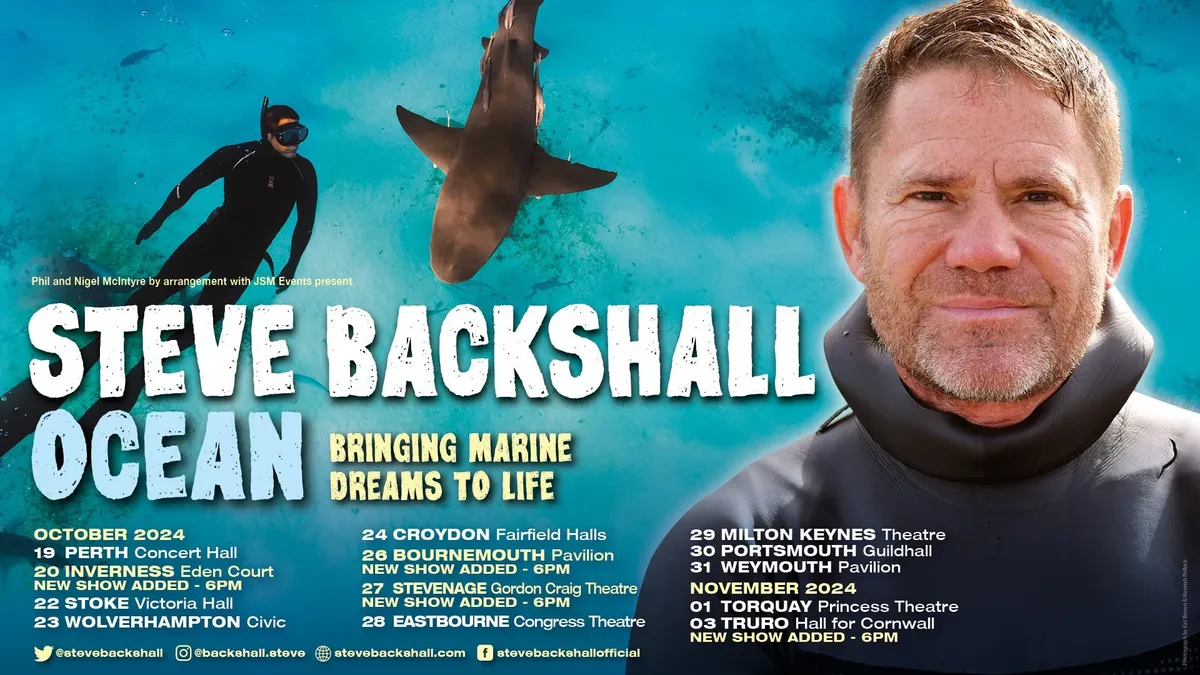
However, that changed dramatically when naturalist Steve Backshall spotted two orcas, John Coe and Aquarius, in Falmouth Bay, Cornwall. This decisive moment not only revived hopes for marine enthusiasts but also underscored the urgency of conservation efforts for these iconic animals.
John Coe, an adult male killer whale approximately 60 years old, and Aquarius, the last remaining member of this unique population, represent a dwindling lineage of orcas. Their sighting is a stark reminder of the fragility of marine ecosystems and the critical status of these creatures.
The immediate effects of this encounter were palpable. AK Wildlife Cruises, who facilitated the sighting, described the experience as ‘unbelievably lucky’ and ‘truly special.’ Cam Molland, a representative from the company, emphasized the significance of the moment, stating, “This sighting is truly off-the-charts!”
Expert voices in marine biology have echoed these sentiments, highlighting that the presence of John Coe and Aquarius in Falmouth Bay is a rare occurrence that could inspire renewed interest in marine conservation. The orcas, affectionately known as ‘The Boys,’ serve as a living testament to the need for protective measures in their habitats.
As the sighting was captured on video by Backshall, it has the potential to reach a wider audience, raising awareness about the plight of orcas and the importance of preserving their environment. The footage may also provide valuable data for researchers studying these elusive creatures.
In a world where human activities increasingly threaten marine life, this encounter serves as a beacon of hope. The sighting of John Coe and Aquarius not only highlights their critical status but also reinforces the need for ongoing conservation efforts.
Details remain unconfirmed regarding the long-term implications of this sighting, but for now, it stands as a significant moment in the ongoing narrative of marine wildlife in the UK.