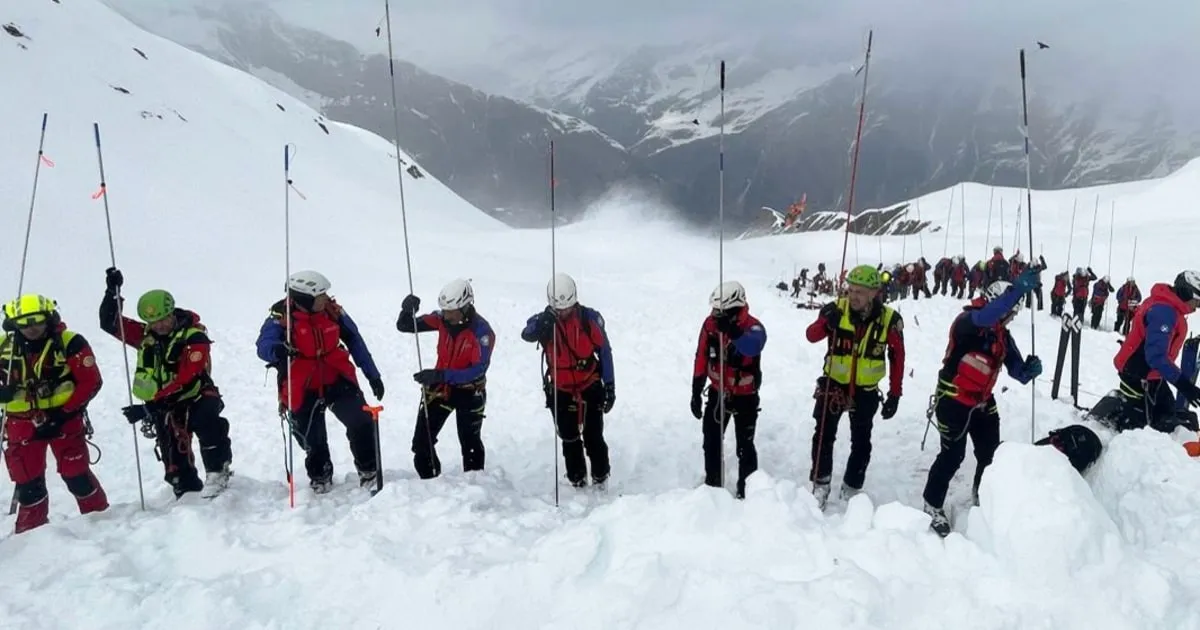
“This season has seen an unusually high number of deaths from avalanches,” a spokesperson from the rescue team stated, following a tragic incident in South Tyrol that claimed the lives of two skiers and left five others injured.
The avalanche struck at an altitude of approximately 7,874 feet on the slopes of Hohe Ferse, ensnaring a total of 25 skiers. The rescue operation was extensive, involving six helicopters and around 80 rescuers working tirelessly to locate and assist those affected.
As of March 16, 2026, Europe has recorded 127 avalanche-related deaths this season, significantly higher than the average of 100 fatalities per season. Experts attribute this alarming trend to an exceptionally unstable snowpack and an influx of skiing enthusiasts venturing into off-piste areas after recent heavy snowstorms.
“Experts attributed the deaths to an exceptionally unstable snowpack and the rush of skiing enthusiasts to off-piste slopes after recent heavy snowstorms,” the spokesperson added, emphasizing the need for caution in the current skiing conditions.
The avalanche itself had a front measuring 150 meters and extended several hundred meters down the slope, illustrating the sheer force of the natural disaster. The danger level in the Ridanna Valley remains moderate, but the situation is being monitored closely.
Climate experts have also raised concerns, linking the instability of snow conditions to rising temperatures and stronger winds, which are becoming increasingly prevalent in the region.
“This is an additional option for generating electricity from photovoltaics, which aligns with the objectives of the South Tyrol 2040 Climate Plan,” stated Peter Brunner, highlighting the region’s commitment to sustainable energy solutions.
However, the installation of photovoltaic panels and thermal solar collectors within protected biotopes and natural monuments remains prohibited, reflecting the delicate balance between development and conservation.
As the rescue efforts continue and investigations into the avalanche proceed, the community is left to mourn the loss of life while grappling with the broader implications of climate change on winter sports safety.