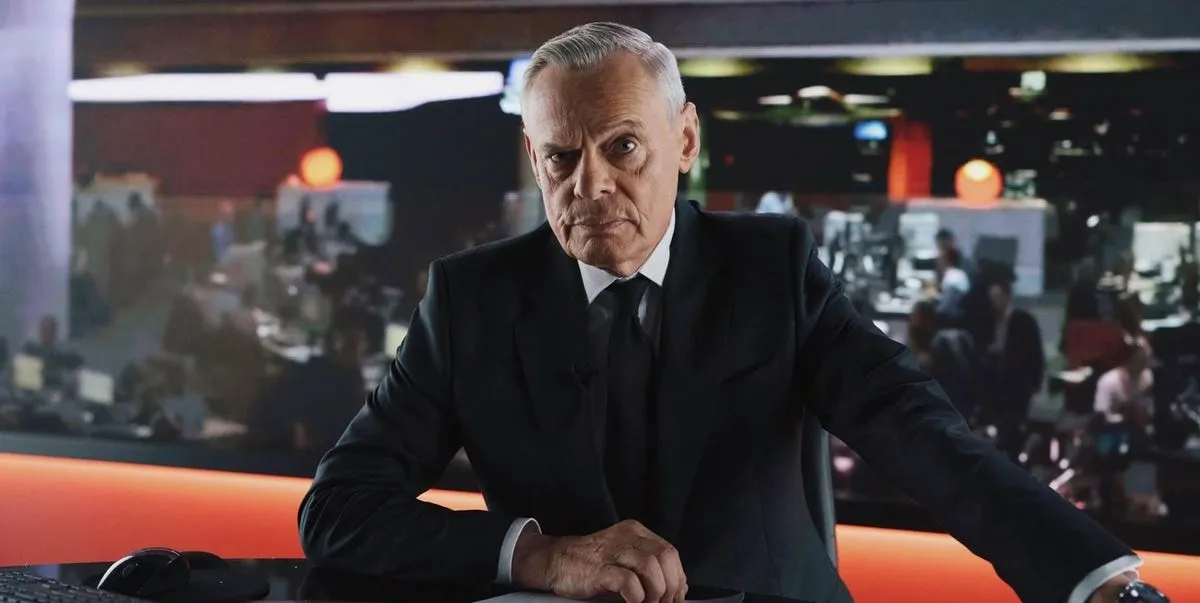
What does Sian Reese-Williams’s new role in Power: The Downfall of Huw Edwards reveal about the impact of real-life events on television storytelling? The actress, known for her previous work in Emmerdale, plays Carys, a mother grappling with the grooming of her son, Ryan, by the convicted broadcaster Huw Edwards.
In this gripping narrative, Carys’s character is central to the unfolding drama, highlighting the emotional turmoil faced by families affected by such heinous acts. The show, which is set to air on March 24, 2026, delves into the dark consequences of Edwards’s actions, who was convicted in 2024 for making indecent images of children.
Sian Reese-Williams gained fame for her portrayal of Gennie Walker in Emmerdale, a character introduced in 2008 who met a tragic end in 2013. Since then, she has expanded her repertoire, appearing in acclaimed series like Hidden and Line of Duty.
Beyond her acting career, Reese-Williams is also a passionate potter, sharing her love for the craft on social media. This multifaceted talent adds depth to her performances, making her portrayal of Carys even more compelling.
The storyline of Power: The Downfall of Huw Edwards is not just a fictional account; it reflects the real-life consequences of grooming and exploitation, raising critical questions about accountability and the protection of vulnerable individuals.
As audiences prepare for the show’s premiere, the anticipation builds around how Reese-Williams will embody the struggles of a mother in such a harrowing situation. Her character’s journey promises to resonate with viewers, shedding light on a dark chapter in contemporary media history.
While the show aims to tackle sensitive themes, it remains to be seen how it will balance the portrayal of real events with the need for respectful storytelling. Details remain unconfirmed regarding the show’s reception and its impact on public discourse surrounding these issues.
As the air date approaches, fans of Reese-Williams and new viewers alike are eager to see how this narrative unfolds, and what it might mean for the future of television dramas addressing real-life controversies.