Reaction from the field
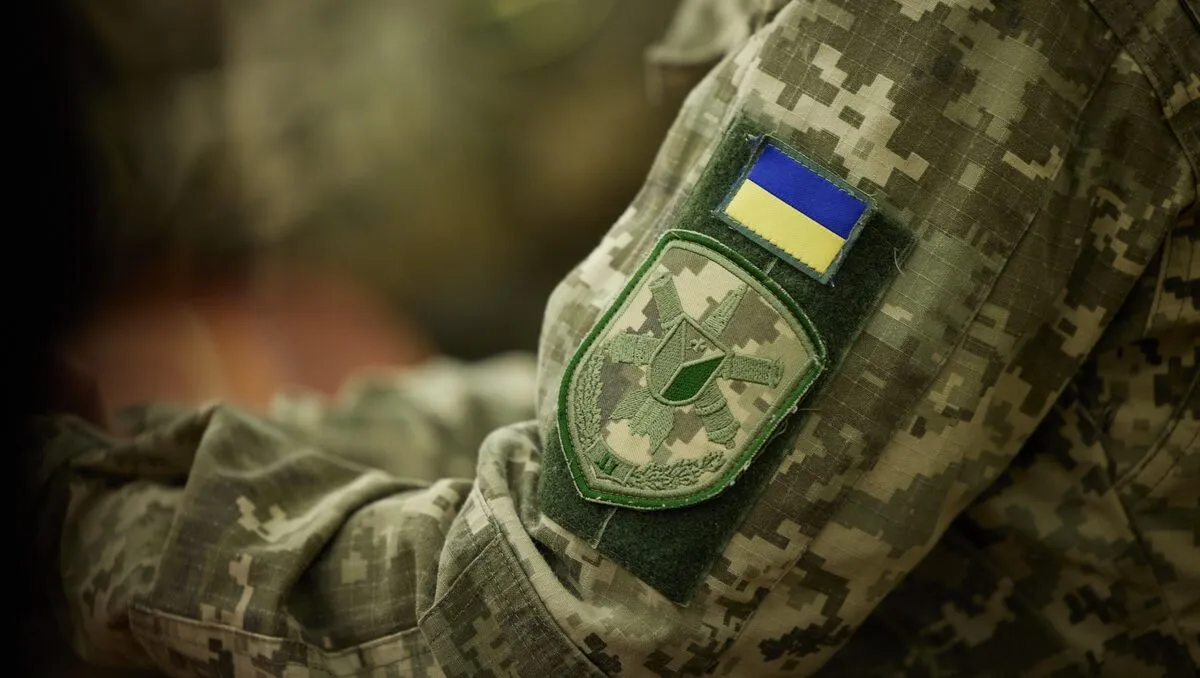
In a landmark decision, Poland has enacted a law that grants legal amnesty to its citizens who participated in the Ukrainian armed forces since April 2014. This legislation, signed into law by President Karol Nawrocki, underscores Poland’s unwavering support for Ukraine in the face of Russian aggression. The law ensures that Poles who served in Ukraine will not face the risk of up to five years in prison for serving in a foreign military without consent.
The bipartisan support for this bill, which came from both the Civic Coalition and Law and Justice parties, highlights a unified stance within Poland’s political landscape regarding the ongoing conflict in Ukraine. The far-right Confederation group abstained from voting, indicating a divergence in perspectives on foreign military involvement. However, the overwhelming support from major parties reflects a deep commitment to aiding Ukraine during its struggle against Russian forces.
Since the onset of Russia’s full-scale invasion in 2022, Poland has positioned itself as a staunch ally of Ukraine. This support extends beyond legal amnesty; the Polish government is also sending 379 power generators to Ukraine to assist in its recovery efforts. Additionally, approximately 1,000 Polish citizens have enlisted in the Ukrainian Legion, with 23 confirmed deaths reported among those serving. These numbers illustrate the significant human cost and commitment involved in this international conflict.
The authors of the bill articulated a crucial rationale behind the legislation, stating, “in the existing international context, the participation of a Polish citizen in Ukraine’s fight against Russian aggression cannot be perceived as a violation of the constitutional obligations of loyalty to Poland, concern for the common good, or obligation to defend the homeland.” This perspective reinforces the notion that aiding Ukraine is not only a moral imperative but also a patriotic duty for many Poles.
Furthermore, the European Writers’ Council (EWC) has expressed its support for a separate initiative aimed at protecting Poland’s book market, which was announced by the Ministry of Culture and National Heritage in December 2025. The EWC, representing a quarter million writers from 52 associations across 34 countries, advocates for a fixed book price system to ensure transparency and fair remuneration for writers and translators. The council’s leadership has voiced optimism about the potential impact of this legislation, calling it a pivotal historic moment for the industry.
As Poland continues to navigate its role in the ongoing conflict, the implications of these legislative measures are profound. The legal amnesty for citizens who fought in Ukraine not only alleviates fears for returning volunteers but also solidifies Poland’s position as a key player in European security matters. The situation remains fluid, and further developments are anticipated as the international community closely monitors Poland’s actions and their repercussions.
Details remain unconfirmed regarding the full impact of these legislative changes and the potential for additional support measures for Ukraine. However, the current trajectory indicates a continued commitment from Poland to stand alongside its neighbor in this critical time of need.