Who is involved
The attack on Pearl Harbor on December 7, 1941, was a critical inflection point in history, marking a decisive moment that shifted the global landscape. Before this event, the United States maintained a policy of isolationism, with many citizens unaware of the brewing tensions with Japan. The expectation was that the U.S. could remain uninvolved in the escalating conflicts abroad, particularly in Europe and Asia.
However, the surprise attack by Japanese forces shattered this illusion. In a matter of hours, 1,177 sailors from the USS Arizona were killed, and the U.S. Navy faced a significant loss with the sinking of battleships, notably the USS Arizona and USS Oklahoma, which would never return to service. This attack galvanized public opinion and led to a united front in favor of entering World War II.
The immediate effects were profound. The U.S. declared war on Japan the following day, marking its entry into World War II. This shift not only altered military strategies but also transformed the political landscape, as the nation rallied together in a time of crisis. The Pearl Harbor Memorial now stands as a solemn reminder of the lives lost and the sacrifices made during this pivotal moment.
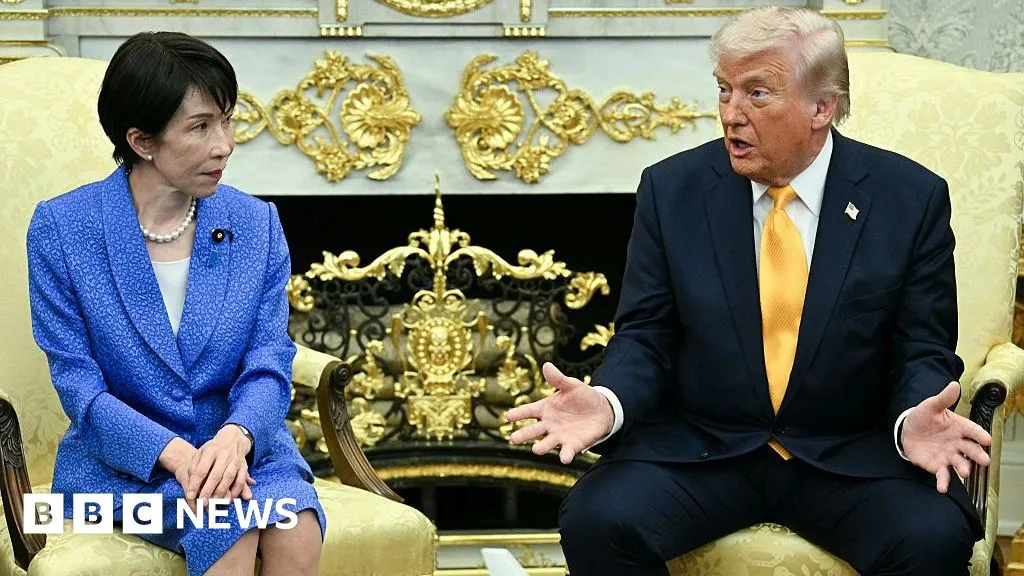
In recent discussions, former President Donald Trump made a controversial joke about Pearl Harbor during a meeting with Japanese Prime Minister Sanae Takaichi, comparing Japan’s historical attack to his own plans regarding Iran. Takaichi appeared visibly uncomfortable, highlighting the sensitive nature of the topic. Trump’s remarks underscore how the legacy of Pearl Harbor continues to resonate in contemporary political discourse.
Experts emphasize that the attack on Pearl Harbor not only changed the course of the war but also set the stage for future U.S.-Japan relations. The historical significance of this event is often revisited, especially in discussions about military preparedness and international diplomacy. The USS Arizona remains trapped at the bottom of Pearl Harbor, serving as a poignant symbol of the sacrifices made during the conflict.
As we reflect on the implications of Pearl Harbor, it is essential to consider the lessons learned from this tragic event. The shift from isolationism to active engagement in global affairs marked a turning point for the United States, reshaping its role on the world stage. The Pearl Harbor Memorial honors the lives lost, reminding us of the cost of war and the importance of vigilance in international relations.
Details remain unconfirmed regarding the broader implications of Trump’s comments, but they serve as a reminder of how historical events continue to influence modern politics. The legacy of Pearl Harbor is not just a chapter in history; it is a living narrative that informs current and future generations about the complexities of international relations and the consequences of conflict.