The numbers
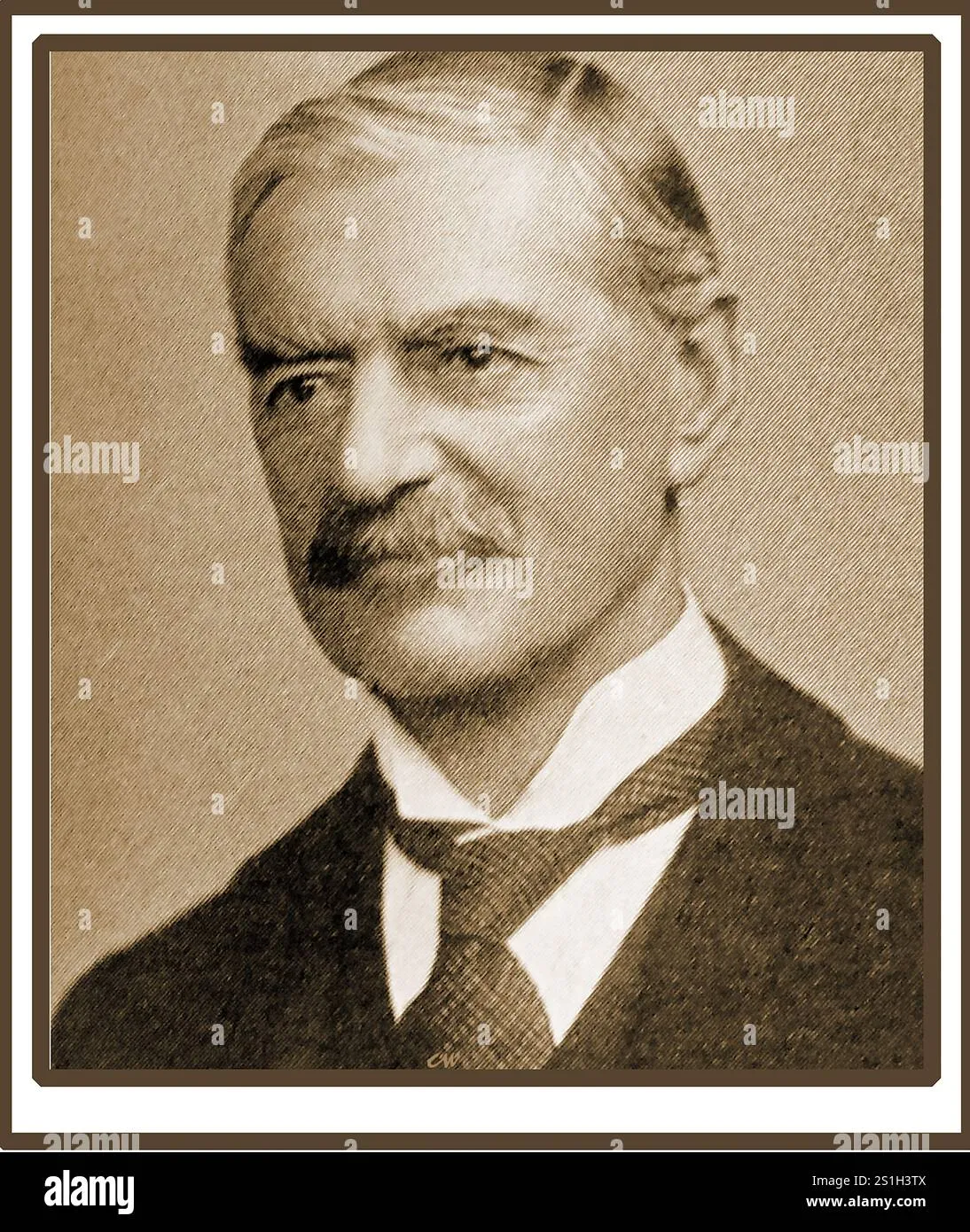
In a striking comparison, former President Donald Trump recently likened UK Labour leader Keir Starmer to Neville Chamberlain during remarks concerning the ongoing conflict in Iran, which has now entered its sixth week. Trump asserted, “We won’t want another Neville Chamberlain, do we agree? We don’t want Neville Chamberlain,” highlighting his concerns over Starmer’s approach to international relations.
Chamberlain, the British Prime Minister known for his policy of appeasement towards Nazi Germany before World War II, has become a historical reference point in discussions about foreign policy and conflict resolution. Trump’s comments come at a time when Starmer has firmly refused to support US-Israeli military actions against Iran, stating, “The conflict is not our war.” This stance has raised eyebrows amid escalating tensions in the Middle East.
Starmer’s reluctance to engage in offensive operations regarding the Iran conflict contrasts sharply with Trump’s aggressive rhetoric. The former president has threatened to bomb Iran’s civilian infrastructure if Tehran does not reopen the crucial Strait of Hormuz, a vital shipping lane for global oil supplies. Such statements underscore the urgency and volatility of the situation.
In response to Trump’s requests, Starmer has rejected the idea of allowing US jets to use RAF bases for attacks on Iran. This decision reflects a broader strategy to prioritize the UK’s national interests, as emphasized by Starmer in his public addresses. UK aircrews and ground forces have been involved in defensive actions in the region, but the government’s stance remains cautious.
Bridget Phillipson, the UK education secretary, echoed Starmer’s sentiments, stating, “It is not language or an approach that this government would be taking.” This response indicates a clear divergence from Trump’s more aggressive tactics and a commitment to a more measured approach in dealing with international conflicts.
Observers note that Trump’s comments come amid a strained transatlantic relationship between the US and UK, raising questions about future cooperation on defense and foreign policy. The ongoing conflict in Iran continues to pose significant challenges for both nations, as they navigate their respective positions on military engagement and diplomatic negotiations.
As the situation develops, the international community watches closely for any shifts in policy or strategy from either side. Details remain unconfirmed regarding potential future actions, but the implications of Trump’s remarks and Starmer’s responses are likely to resonate in political discussions for weeks to come.