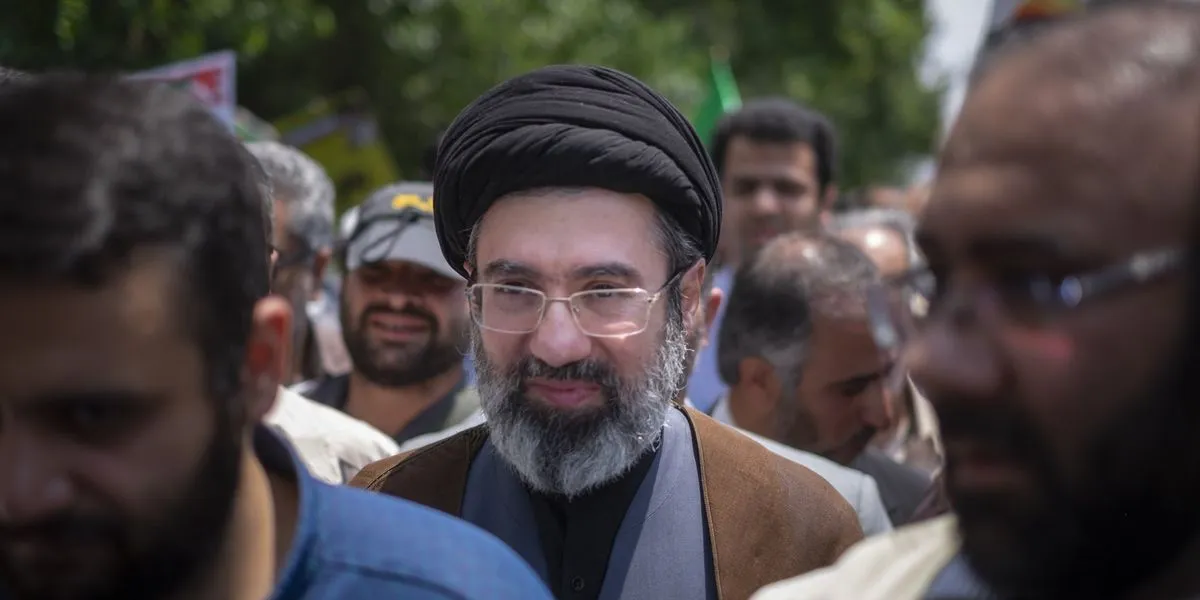
In a significant development for Iran, Mojtaba Khamenei has officially assumed the role of Supreme Leader as of March 8, 2026, following the tragic death of his father, Ali Khamenei, in a devastating airstrike on February 28, 2026. The attack not only claimed the life of the former leader but also resulted in the deaths of numerous senior military figures, marking a pivotal moment in Iran’s political landscape.
Reports indicate that Mojtaba Khamenei, aged 56, suffered severe disfigurement to his face and significant leg injuries in the same airstrike that took his father’s life. He has lost a leg and is described by state media as a “janbaz,” reflecting the gravity of his wounds. Since taking power, he has not been seen in public, raising concerns about his health and ability to lead.
Despite his physical limitations, Khamenei is reportedly mentally sharp and continues to engage in government decisions through audio conference calls. His absence from public view has led to speculation about his condition, with some unconfirmed reports suggesting he may be in a coma. Details remain unconfirmed.
On April 11, 2026, a temporary ceasefire was reached between Iran and the United States, mediated by Pakistan, amid ongoing diplomatic efforts. This ceasefire is set to expire on April 21, 2026, and comes at a time when the conflict has already resulted in approximately 3,000 Iranian deaths and 25,000 injuries since its onset. The airstrike that killed Ali Khamenei and others has intensified the military conflict, which has now lasted for 38 days.
Mojtaba Khamenei’s leadership is being closely scrutinized, especially given the backdrop of his father’s long tenure since 1989. His first public statements have emphasized a commitment to Iran’s strategic goals, asserting, “Iran does not seek war but will never abandon its rightful demands.” His remarks underscore the delicate balance he must maintain between asserting authority and addressing the ongoing crisis.
In a recent statement, Khamenei called for the continued presence of the Iranian people in support of the nation’s goals, stating, “What is necessary at this time to achieve this strategic slogan [of powerful Iran] and goal of the martyred leader is the continued presence of our dear people.” This call to action reflects his intent to rally support despite his physical absence from the public eye.
International reactions to Khamenei’s ascension have been mixed. Some analysts have expressed skepticism about his ability to lead effectively given his injuries and the circumstances surrounding his rise to power. Pete Hegseth, a political commentator, remarked, “The new so-called not-so-supreme leader is wounded and likely disfigured,” highlighting concerns over his capability to govern during such turbulent times.
As Iran navigates this critical juncture, the implications of Mojtaba Khamenei’s leadership will be closely monitored both domestically and internationally. His ability to unify the nation and manage ongoing conflicts will be crucial in determining the future stability of Iran.