The wider picture
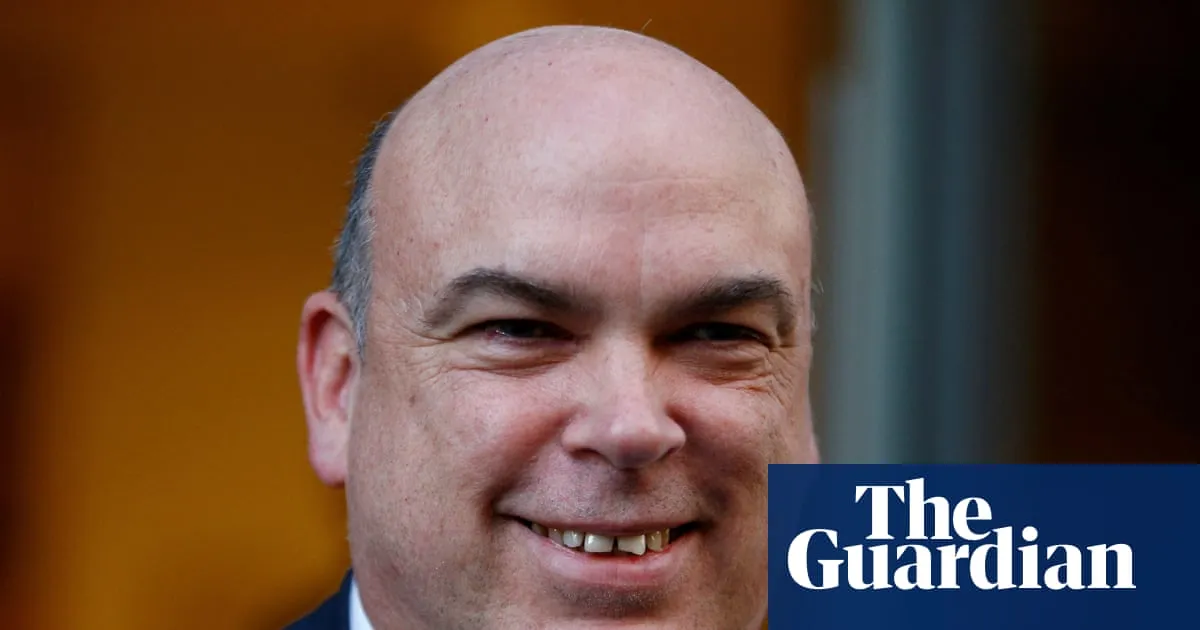
Mike Lynch, once hailed as ‘Britain’s Bill Gates’, was embroiled in a contentious legal battle with Hewlett-Packard (HP) over the acquisition of his company, Autonomy. The allegations centered on claims that Lynch had inflated Autonomy’s value prior to its purchase, leading to a significant financial fallout for HP. Following the acquisition, HP wrote down Autonomy’s worth by $8.8 billion (£6.5 billion) within just a year, prompting a series of legal actions.
In a recent development, the estate of Mike Lynch has been ordered to pay £920 million to Hewlett-Packard as compensation for the damages incurred during the acquisition. This ruling comes after the High Court found Lynch and his former finance chief liable for fraud in 2022. The estate’s estimated worth is about £500 million, raising serious concerns about its financial viability in light of the substantial damages awarded.
The High Court had previously ruled that HP was entitled to a total compensation of $1.24 billion, which includes $236 million in interest. This ruling further complicates the financial landscape for Lynch’s estate, which has now been denied the right to appeal the decision. A spokesperson for the Lynch family expressed disappointment at the court’s refusal, stating, “We believe an application to the court of appeal should follow in the interests of justice.”
HP, on the other hand, has welcomed the court’s ruling. A spokesperson for the company stated, “HP is pleased with the court’s ruling and its rejection of the estate’s request for permission to appeal, which brings us another step closer to resolution of the dispute.” This sentiment reflects HP’s ongoing commitment to seek redress for what it claims were fraudulent misrepresentations made by Lynch.
Initially, HP sought $5 billion in damages from Lynch’s estate, a figure that underscores the severity of the allegations and the financial implications for Lynch’s legacy. The estate is now left grappling with a compensation order that far exceeds its estimated worth, potentially leading to bankruptcy.
Despite the legal challenges, Lynch’s widow, Angela Bacares, holds significant assets independently, which may provide some financial cushion amid the turmoil. However, the estate can still apply directly to the Court of Appeal for permission to challenge the rulings, a step that could alter the course of this ongoing legal saga.
As the situation unfolds, observers are keenly watching how the Lynch estate will navigate this financial crisis. The implications of this ruling extend beyond the immediate financial burden, potentially affecting the reputations of those involved and the future of Autonomy’s legacy.
Details remain unconfirmed, but the ramifications of this case are likely to resonate throughout the tech industry and beyond, as it highlights the complexities of corporate acquisitions and the legal responsibilities that accompany them.