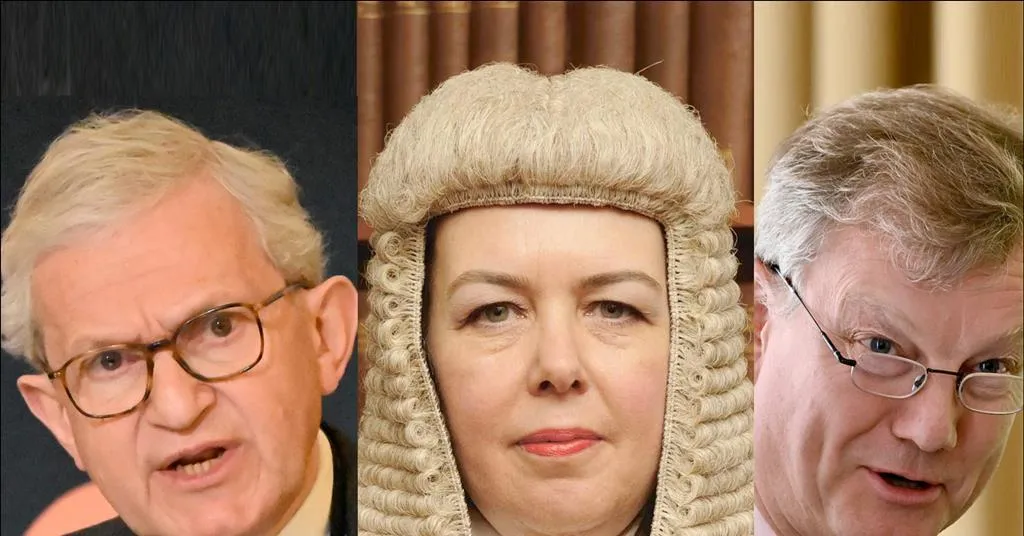
Who is involved
Before the recent developments surrounding the Mazur judgment, the legal landscape was characterized by a significant delegation of litigation tasks to unqualified individuals, a practice that had been commonplace among solicitors. This delegation was largely unregulated, raising concerns about the quality of legal services and access to justice for consumers. The Legal Services Act 2007 had aimed to address some of these issues, but its impact on the delegation of litigation work was minimal, leaving many practitioners and clients navigating a complex legal environment.
The decisive moment came when CILEX won an appeal in the Court of Appeal, overturning a previous High Court judgment by Mr Justice Sheldon. The leading judgment was delivered by Sir Colin Birss, Chancellor of the High Court, marking a pivotal shift in the legal framework. The Court confirmed that unauthorized persons could conduct litigation under the supervision of an authorized individual, clarifying that their role is not limited to merely assisting. This ruling has profound implications for how litigation is managed and supervised within legal practices.
The immediate effects of the judgment are significant for both CILEX and the broader legal community. CILEX’s chief executive hailed the ruling as the most consequential for legal services in recent history, emphasizing its potential to enhance access to justice and support a diverse legal sector. The Court of Appeal’s decision mandates that proper management, supervision, and control are essential when delegating tasks to unauthorized persons, ensuring that the responsibility for litigation ultimately rests with the authorized lawyer.
However, the ruling is not without its complexities. Experts have voiced concerns about the potential for increased satellite litigation arising from unresolved questions regarding the boundaries of delegation and the role of unauthorized individuals. Brett Dixon noted that the judgment underscores the necessity of supervision, which will require further regulatory guidance to ensure compliance and clarity in practice.
The Solicitors Regulation Authority welcomed the clear direction provided by the Court of Appeal, stating that the clarity offered by the judgment will enable them to review and update their guidance as necessary. This response reflects a broader recognition within the legal community of the need for clear regulatory frameworks to support the evolving practices in litigation.
Despite the positive reception of the judgment, uncertainties remain. The exact implications of the ruling on future litigation practices are unclear, and the potential for increased satellite litigation raises questions about how firms, regulators, and clients will navigate the new landscape. Julia Mazur and Jerome Stuart highlighted that if the judgment does not clearly define where delegation ends and ‘acting as a solicitor’ begins, it could leave stakeholders in a precarious position.
As the legal sector grapples with these changes, the Mazur judgment represents a moment of reset, offering an opportunity to enhance support for ordinary people seeking justice. The implications of this ruling will continue to unfold, with stakeholders closely monitoring its impact on the legal services landscape. Details remain unconfirmed regarding how these changes will be implemented in practice, but the momentum generated by this decision is undeniable.