The wider picture
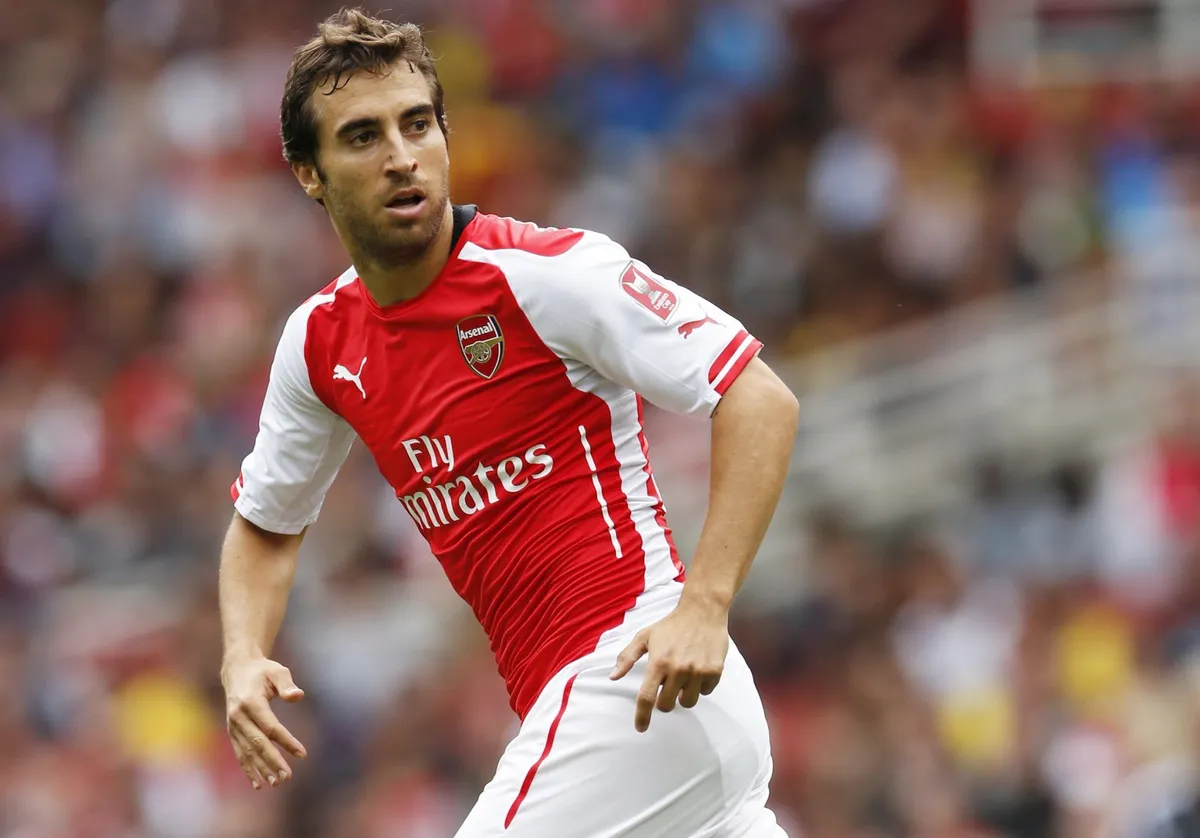
Mathieu Flamini, a name synonymous with Arsenal Football Club, has made headlines once again as he expresses interest in acquiring the club from its current owner, Stan Kroenke. Flamini, who retired from professional football in 2019, has transitioned into the business world, co-founding GF Biochemicals in 2008, a company recognized by the US Department of Energy for its contributions to a greener future. This venture has significantly boosted his financial standing, leading to an estimated net worth of around £10 billion, according to Forbes.
Flamini’s connection to Arsenal runs deep, having played for the club during two separate stints. His desire to return, not as a player but in a managerial capacity, reflects his enduring passion for the sport. “Football is the number one sport,” Flamini stated, emphasizing his commitment to the game and its potential for positive impact.
The breaking development comes as Arsenal was valued at £2.5 billion in May 2025, a significant figure that underscores the club’s financial stature in the football world. Flamini’s interest in purchasing the club raises questions about the future of Arsenal under Kroenke, who has been the sole shareholder since 2018. Kroenke’s recent statement, “We remain 100% committed to Arsenal and are not selling any stake in the Club,” indicates a firm stance against any potential sale.
Flamini’s ambition to take over Arsenal is not just about ownership; it is also about vision. He remarked, “If there is the right opportunity at the right time and the right discussion, if I meet people who are the same vision and mindset and desire to use football for a purpose, I would love to.” This statement reflects his desire to align with like-minded individuals who share his passion for using football as a platform for greater purposes.
As the football community watches closely, the implications of Flamini’s potential ownership could be profound. His history with the club and his successful business ventures position him uniquely to understand both the sporting and financial aspects of running a football club. Observers are keen to see how this situation unfolds, especially given the current climate of football ownership and the increasing scrutiny on club management.
While Flamini’s aspirations are clear, the path to ownership remains uncertain. The complexities of negotiations, especially with a firm owner like Kroenke, could pose significant challenges. Details remain unconfirmed regarding any formal discussions or timelines for potential ownership changes.
In the meantime, Flamini continues to advocate for the sport and its future, crediting former teammates Thierry Henry and Dennis Bergkamp for instilling a strong work ethic in him. His journey from player to billionaire entrepreneur exemplifies the evolving landscape of football, where former athletes are increasingly stepping into roles that influence the sport’s direction.