The numbers
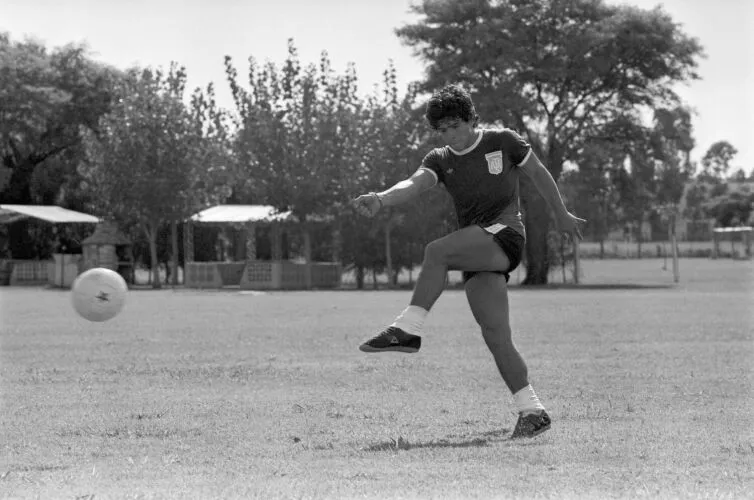
Diego Maradona has publicly apologized to FIFA following his inflammatory comments about England’s recent World Cup match against Colombia, which he described as a “monumental robbery.” Maradona’s remarks came after England secured their place in the quarter-finals through a penalty shootout, a game that has since drawn significant scrutiny.
In a statement, Maradona admitted, “Overcome by emotion in cheering for Colombia the other day I said a couple of things and I admit, some of them were unacceptable.” His comments have sparked outrage, particularly from FIFA, which expressed disappointment and emphasized the importance of fair play in international competitions.
The controversy surrounding Maradona’s statements is not new; he has long been a polarizing figure in soccer history, known for his passionate and often controversial opinions. His remarks about the match have reignited discussions about the integrity of officiating in high-stakes games, especially in the context of the World Cup.
Interestingly, Maradona’s influence extends beyond the soccer field. The European Central Bank (ECB) is reportedly considering a “Maradona-style move” in its monetary policy. This term refers to a strategic feint, akin to the way Maradona would deceive defenders on the pitch, suggesting that the ECB may signal intentions to tighten policy without implementing immediate changes.
As the ECB navigates economic challenges, the concept of a “Maradona-style move” highlights the delicate balance central banks must maintain in communicating their strategies. Manuel Abecasis noted, “It is virtually impossible for the Fed to tighten policy solely because of an oil shock,” emphasizing the complexities involved in economic decision-making.
Maradona’s comments about the World Cup match have also drawn attention to the role of referees in major tournaments. He specifically pointed out the officiating of American referee Mark Geiger, remarking, “Geiger, an American, what a coincidence.” Such statements reflect Maradona’s ongoing scrutiny of the game’s governance and the pressures faced by officials at the highest levels.
As the fallout from Maradona’s comments continues, observers are keenly watching how FIFA will respond and whether further actions will be taken against the soccer legend. Details remain unconfirmed regarding any potential repercussions for Maradona, but the incident underscores the ongoing tension between passion and professionalism in sports.
With the World Cup still ongoing, the implications of Maradona’s remarks may resonate beyond this single match, influencing discussions about officiating and fairness in the tournament. The soccer community remains divided, with many calling for accountability and others rallying behind Maradona’s fervent support for Colombia.