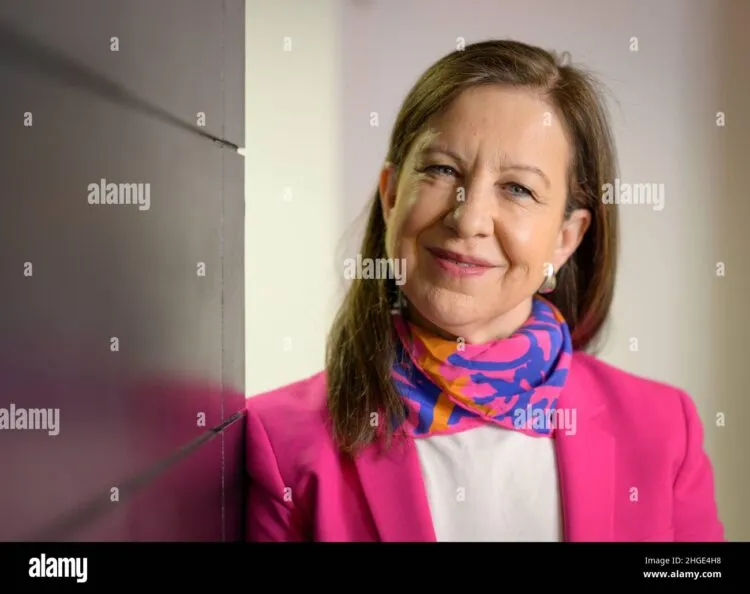
“Iran does not want a ceasefire, it will not negotiate a ceasefire, even though President Trump, according to Israeli media, is now looking for a one month ceasefire,” stated Lyse Doucet, reflecting her deep understanding of geopolitical tensions. This insight comes as Doucet is recognized for her literary contributions, being shortlisted for the Women’s Prize for Nonfiction 2026.
The Women’s Prize for Nonfiction, launched in 2024, aims to address the significant gender gap in nonfiction publishing. With a prize amount of £30,000, it seeks to elevate women’s voices in a field where they have historically been underrepresented.
Doucet’s book, titled The Finest Hotel in Kabul, traces Afghanistan’s modern history through the lens of a single hotel, offering a unique perspective on a nation often defined by conflict. Her inclusion in the shortlist alongside notable authors such as Arundhati Roy, Judith Mackrell, Jane Rogoyska, Ece Temelkuran, and Daisy Fancourt underscores the diversity and depth of contemporary nonfiction.
Last year’s winner, Rachel Clarke, received acclaim for her work The Story of a Heart, while Naomi Klein won the inaugural award with Doppelganger. The 2026 winner will be announced on June 11, marking a significant moment for women in literature.
Research indicates that women’s share in popular science rose from 11% in 2023 to 22% in 2025, yet men still dominate business and management categories at a staggering 93%. The Women’s Prize for Nonfiction is a crucial step towards rectifying these disparities.
As the literary community awaits the announcement of the winner, Doucet’s contributions continue to resonate, highlighting the importance of female voices in shaping narratives that matter. Her work not only reflects personal stories but also broader societal issues, making her a key figure in the ongoing discourse around gender in publishing.
Details remain unconfirmed regarding the impact of this recognition on Doucet’s future projects, but her current standing in the literary world is undeniably significant.