Who is involved
The King Charles III Coastal Path has emerged as a monumental achievement in England’s outdoor landscape, redefining expectations for coastal walking routes. Before this development, the idea of a continuous coastal path seemed ambitious, with many believing that such a project would take decades to materialize. However, the official launch of the path has shifted perceptions dramatically, showcasing a commitment to enhancing public access to England’s stunning coastline.
With a staggering length of 2,689 miles (4,328 km), the King Charles III England Coast Path is now recognized as the world’s longest managed coastal walking route. This extensive path has taken 18 years to develop, involving the collaborative efforts of seven prime ministers and numerous stakeholders, including Natural England. The path, however, is not yet fully accessible, with about 20% still awaiting public opening, highlighting the ongoing work required to complete this ambitious project.
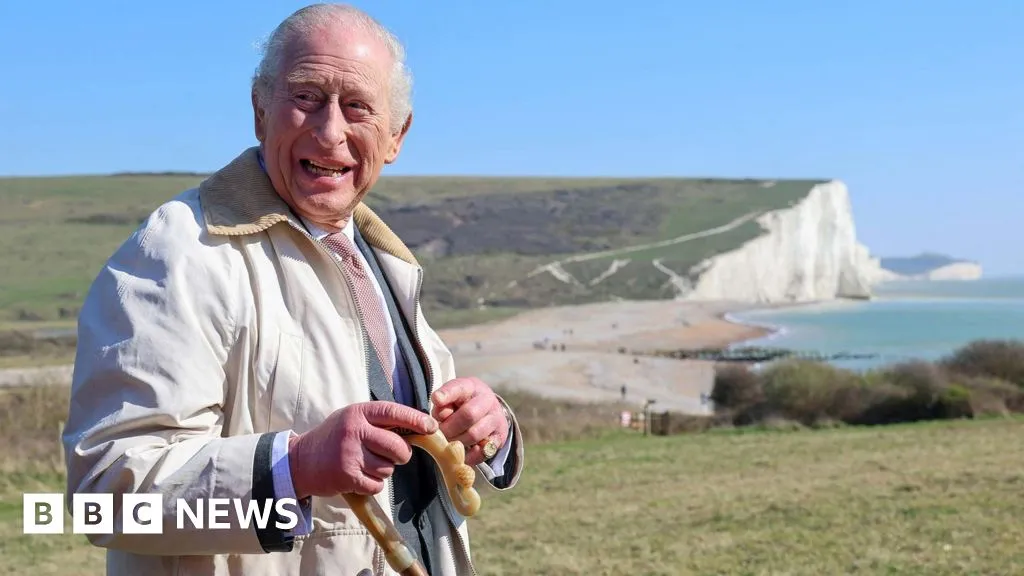
The decisive moment came when King Charles III himself inaugurated the path at the breathtaking Seven Sisters cliff landscape. During the ceremony, he walked 2 kilometers along the route, symbolizing his lifelong passion for nature and public access to the outdoors. This event not only marked a significant milestone for the project but also drew attention to the importance of preserving England’s natural beauty.
The immediate effects of this launch are already being felt across the region. Local communities are anticipating an influx of visitors eager to explore the newly accessible coastal paths. The Seven Sisters section of the route, which stretches from Eastbourne to Littlehampton and passes through the 65-square-mile Seven Sisters National Nature Reserve, is expected to become a focal point for tourism and outdoor activities. As Tony Juniper, Chair of Natural England, expressed, “Following 16 years of hard work from the Natural England team, we are delighted to reach this landmark point for the King Charles III England coast path.”
However, not everyone views this development positively. Critics like Tim Bonner have voiced concerns, stating, “The idea that the English coast path is a success is farcical.” This sentiment underscores the complexities surrounding public access and the challenges that still lie ahead in making the entire path available to walkers.
As the project continues to evolve, Natural England aims to have much of the path open by the end of the year, further enhancing the accessibility of this remarkable route. The addition of 1,000 new miles of paths to the existing coastal trails demonstrates a significant investment in outdoor infrastructure, promising to enrich the experiences of walkers and nature enthusiasts alike.
In summary, the King Charles III Coastal Path represents a transformative shift in England’s approach to coastal access and outdoor recreation. With the official launch, expectations have been recalibrated, and the potential for economic and environmental benefits is immense. As communities prepare for the anticipated surge of visitors, the path stands as a testament to the enduring appeal of England’s natural landscapes and the importance of preserving them for future generations.