What the data shows
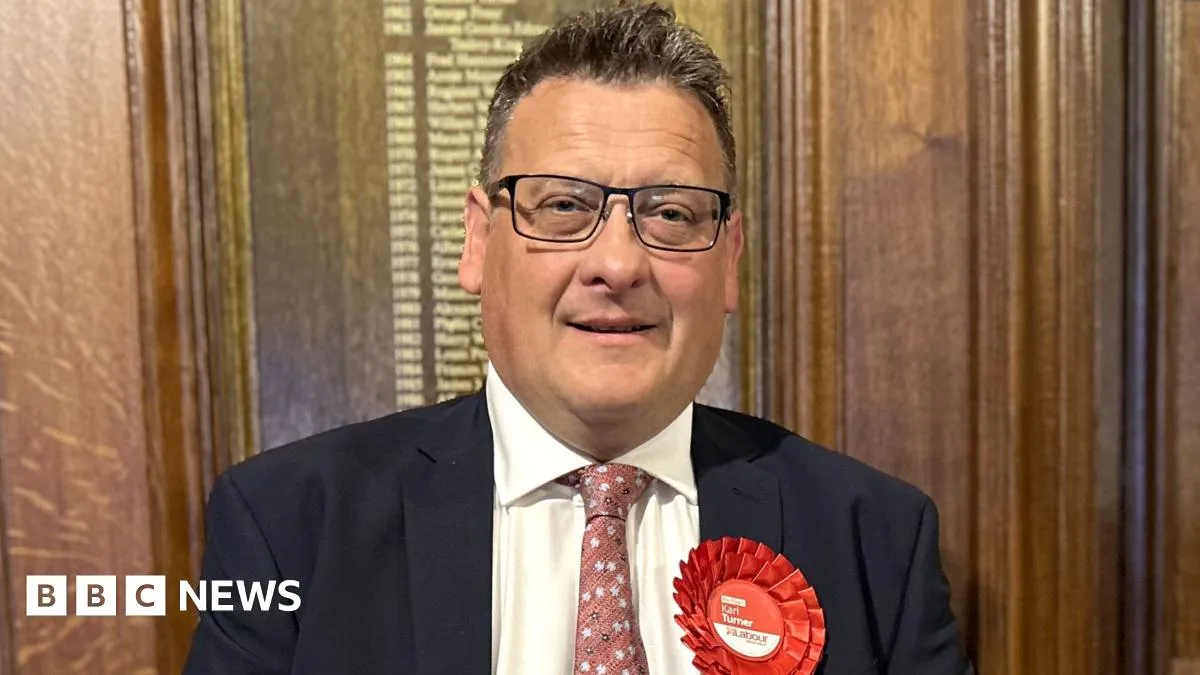
Karl Turner, a prominent Labour MP, has been suspended from the Labour whip following his outspoken criticism of the government’s controversial proposal to limit jury trials in England and Wales. This raises a critical question: what implications does this suspension have for Turner’s political career and the Labour Party’s stance on judicial reforms?
Turner, who has served as an MP since 2010 and was re-elected in 2024 with an impressive 43.8% vote share, has been one of the most vocal opponents of the government’s plans. He has characterized these reforms as misguided and detrimental to the justice system. His suspension was communicated to him by the chief whip, Jonathan Reynolds, amid accusations that he was ‘whipping up’ criticism against the government on social media.
Despite the suspension, Turner has expressed his unwavering commitment to the Labour Party. “My commitment to the Labour Party is unchanged,” he stated, emphasizing his intention to continue advocating against the proposed jury trial reforms. Turner has also indicated that he was already on a conduct warning prior to this suspension, suggesting a history of tension between him and party leadership.
In the context of the ongoing debate, it is noteworthy that approximately 60 MPs are reportedly prepared to vote against the jury trial reforms, indicating significant dissent within the party. This internal conflict reflects broader concerns about the government’s approach to judicial matters, with many fearing that limiting jury trials could undermine the rights of defendants and the integrity of the legal system.
Turner’s increased majority of 3,920 votes in the 2024 election highlights his strong support base, which may influence how his constituents react to this suspension. He has hinted at the possibility of causing a by-election if his suspension continues, a move that could further complicate the Labour Party’s dynamics.
Furthermore, the Labour Party has a history of suspending MPs who vote against the government, which adds another layer of complexity to Turner’s situation. His vocal stance against the reforms has not only put him at odds with party leadership but has also drawn attention to the broader implications of these policy changes.
As Turner navigates this challenging period, he remains resolute in his mission. “I will continue to speak out against these proposals because my duty is to act in good faith, according to my principles and to protect the most vulnerable,” he affirmed. The future of his political career and the Labour Party’s position on jury trials remains uncertain, with details about potential next steps still unconfirmed.