Reaction from the field
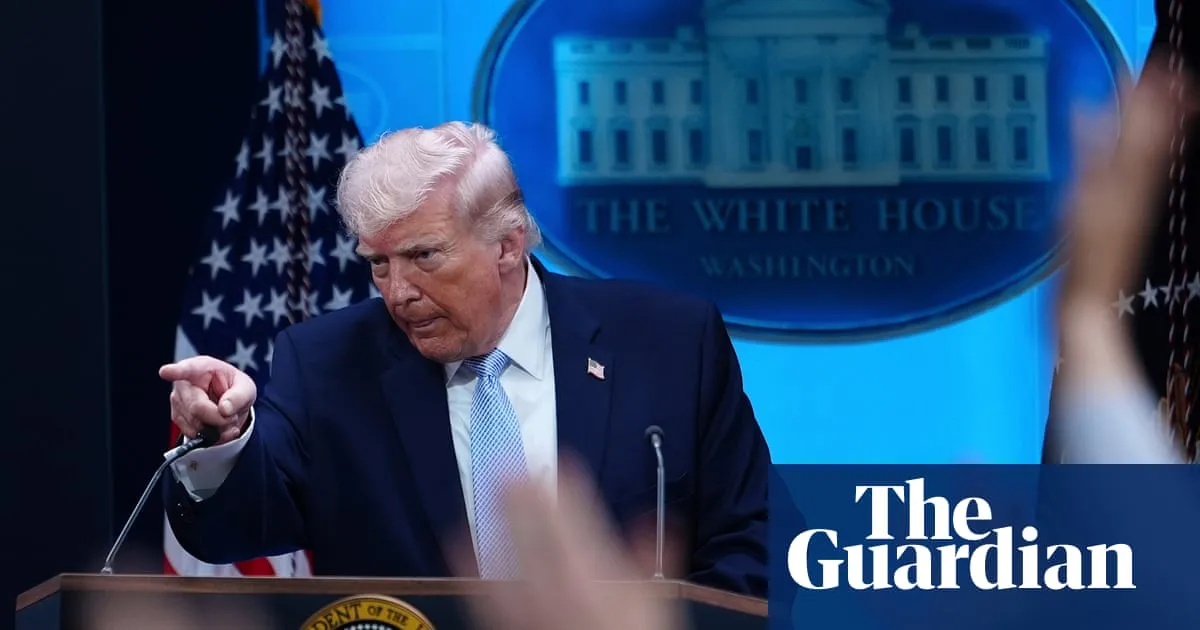
In a dramatic escalation of tensions surrounding press freedom, President Donald Trump threatened to jail a journalist who reported on a missing US airman in Iran. This threat came during a White House press conference, where Trump asserted that the journalist’s reporting jeopardized the safety of the airman and the ongoing rescue operation.
Trump’s comments were particularly pointed as he claimed the leak of information led Iran to offer a reward for the capture of the missing pilots. The President stated, “We are gonna go to the media company that released it and we are going to say ‘national security, give it up or go to jail’.” This statement underscores the administration’s aggressive stance towards media outlets that publish sensitive information.
The US military successfully rescued the missing airman, who had managed to hide from capture, but the operation involved significant risks and military resources. Trump emphasized the commitment of the US military, declaring that they “leave no American behind.” However, the President’s focus on the journalist’s actions raises serious concerns about the implications for press freedom.
Seth Stern from the Freedom of the Press Foundation defended the rights of journalists, stating, “Journalists don’t work for the government and their right to publish government leaks is protected by the first amendment.” This defense highlights the ongoing conflict between the Trump administration and the media, particularly regarding the publication of information that the government deems sensitive.
Historically, Trump has threatened journalists who publish information he finds unfavorable. This pattern of behavior has raised alarms among advocates for press freedom, who worry that such threats could deter journalists from reporting on critical issues, especially those involving national security.
Despite the successful rescue operation, the White House did not specify which media company Trump was referring to when he made his threat. This ambiguity leaves open questions about the administration’s approach to media accountability and transparency.
As the situation develops, the implications for journalists and their ability to report on government actions remain uncertain. Details remain unconfirmed regarding any potential legal actions against the journalist in question, and further developments are expected as the administration continues to navigate its relationship with the press.