How it unfolded
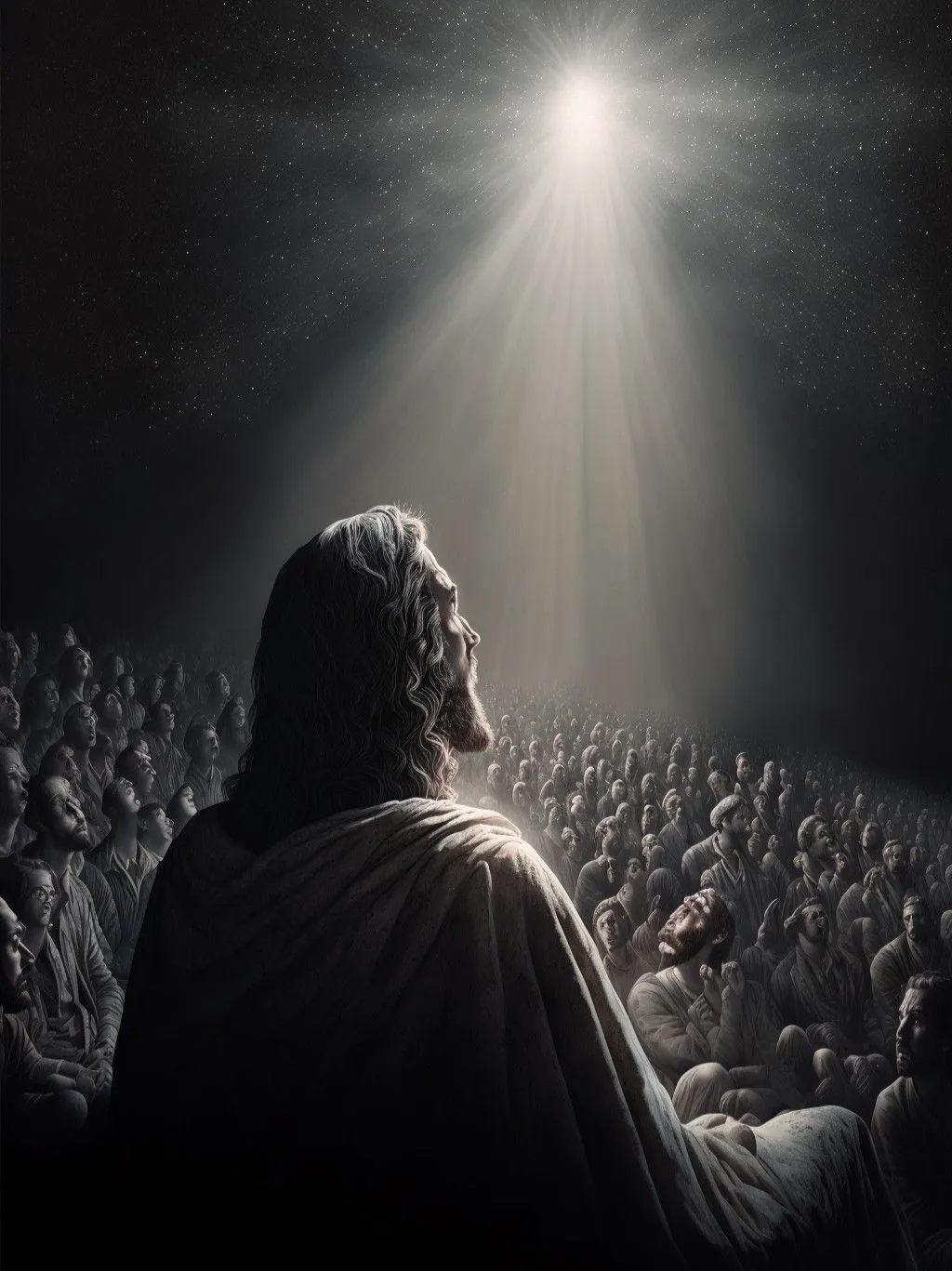
As the world reflects on the legacy of Jesus, recent commemorations have brought his story back into focus. A notable event occurred during a live broadcast of the sung eucharist on BBC Radio 4’s Sunday Worship, where Archbishop Mullally delivered a poignant sermon. He emphasized that “Jesus is with us in the darkness,” a reminder of the hope and resilience found in faith.
In the backdrop of these reflections, the historical significance of Jesus’ crucifixion on Easter Day continues to resonate. This event, a pivotal moment in Christian belief, involved a method of execution that was common in the Roman Empire. Jesus, a dissident Jew who led a following, faced a cruel and shameful death by crucifixion, a form of torture that has been documented extensively.
Historical accounts suggest that during his final journey, Jesus carried only the horizontal part of the cross, which weighed approximately 22 kg. The total weight of the cross, including the vertical part, is estimated to be between 80-90 kg. This heavy burden was part of an arduous path, as he walked around 8 km to the crucifixion site, a journey that has become emblematic of his suffering.
Adding to the narrative, the church mosaic of Jesus on the cross, created by Hungarian artist George Mayer-Marton in 1955, has gained renewed attention. This artwork was officially listed as Grade II in 2022, highlighting its cultural and historical importance. The mosaic serves as a visual reminder of Jesus’ sacrifice and the impact of his life and teachings.
During the same service, Archbishop Mullally referenced the words of Mary Magdalene, who famously proclaimed, “I have seen the Lord!” This declaration underscores the transformative power of faith and the belief in resurrection, which is central to Christian teachings.
As these events unfold, they emphasize the ongoing relevance of Jesus’ story in contemporary society. The reflections during the eucharist and the recognition of the mosaic art contribute to a deeper understanding of his legacy and the lessons that can be drawn from his life.
Currently, the community continues to engage with these themes, exploring the significance of Jesus’ crucifixion and the hope it represents. The combination of art, faith, and historical reflection serves to inspire and challenge individuals to consider their own beliefs and the role of Jesus in their lives.
This sequence of events matters significantly for those involved, as it not only commemorates a pivotal moment in history but also fosters a sense of community and shared faith among believers. The ongoing dialogue surrounding Jesus’ life and teachings remains vital in addressing the complexities of modern existence.