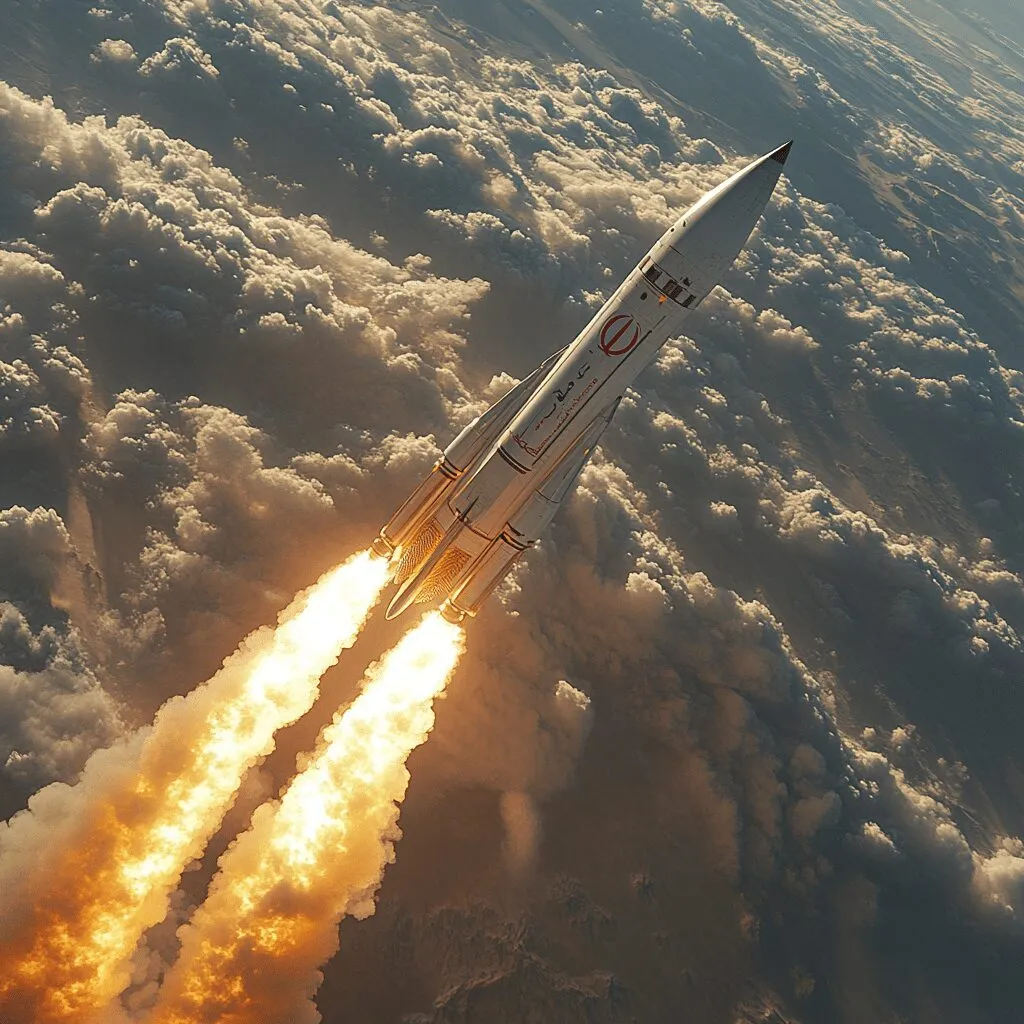
Until recently, expectations were that Iranian missile capabilities were primarily focused on regional threats, with their development largely tied to their space program. However, a decisive moment occurred when Iranian missiles struck two Israeli towns, Dimona and Arad, near a sensitive nuclear site, leaving several injured.
The Israeli military’s defenses were unable to intercept these missiles, raising urgent questions about the effectiveness of their current missile defense systems. This incident marks a significant shift in the perceived threat level, as military experts now believe that Iranian missiles could potentially reach European cities.
Prior to this event, Iran had consistently denied developing nuclear weapons, despite ongoing accusations from Western nations. The recent missile strikes have intensified scrutiny on Iran’s military capabilities and intentions, particularly in light of their advancements in longer-range missile technology.
Experts emphasize that the development of these missiles is not merely for defense but also serves Iran’s ambitions in space exploration. The implications of this escalation are profound, as it not only affects Israeli security but also raises alarms across Europe.
As tensions escalate, the international community is left to grapple with the ramifications of Iran’s missile capabilities. The recent strikes have prompted discussions on whether existing defense systems in Israel and potentially in Europe are adequate to counter such threats.
Details remain unconfirmed regarding the extent of the damage and the strategic implications of these attacks. However, the situation underscores a critical juncture in Middle Eastern geopolitics, with the potential for further escalations if diplomatic solutions are not pursued.
In summary, the recent Iranian missile strikes represent a significant shift in the regional security landscape, challenging previous assumptions about missile defense and the scope of Iranian military capabilities.