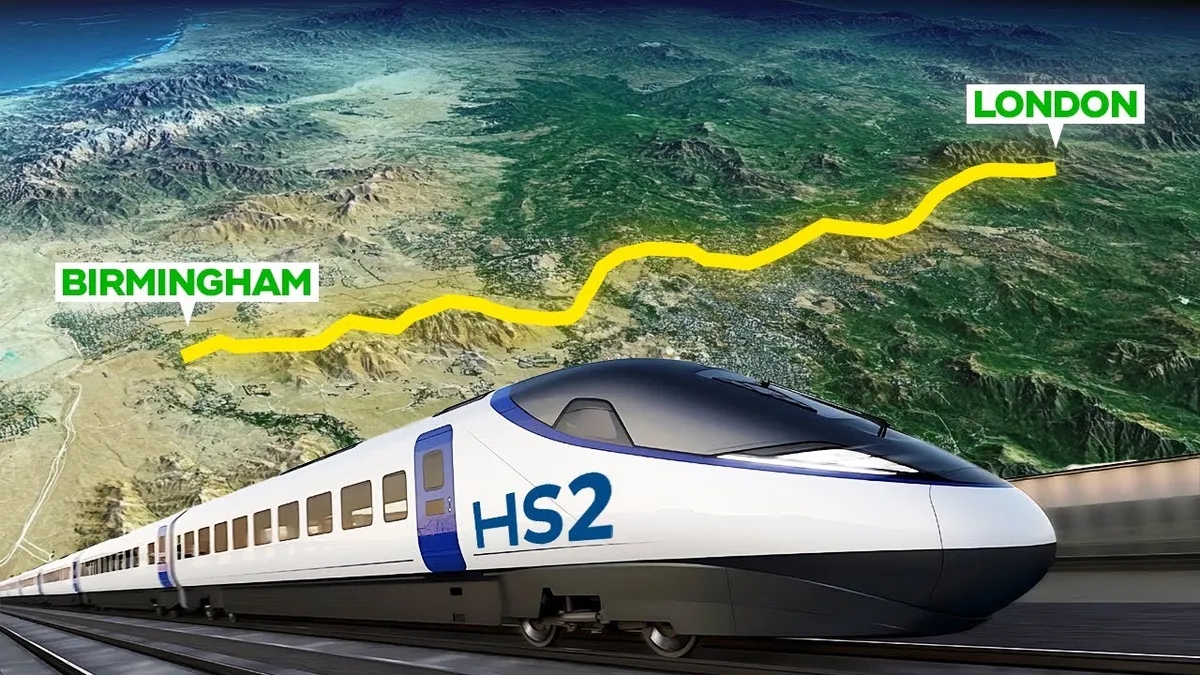
What does the future hold for HS2, the UK’s ambitious high-speed rail project? As the project faces escalating costs and delays, the question of its viability looms large. Currently, HS2 trains are planned to run at an impressive 360 kilometres per hour (kph), yet no railway in the UK is currently engineered to support such speeds. This raises concerns about whether the project can meet its initial specifications and deadlines.
As of February 2026, a staggering £43.6 billion has been spent on the HS2 programme, reflecting the significant financial commitment involved. The project has been marred by a history of mismanagement, leading to spiralling costs and shifting timelines. Mark Wild, the CEO of HS2 Ltd, is at the forefront of this initiative, but he faces mounting pressure to deliver results amidst growing public scrutiny.
One of the most notable features of the HS2 project is the Chiltern tunnel, the longest tunnel on its route, measuring 10 miles in length. Additionally, the Colne Valley Viaduct is set to become the longest rail bridge in the UK. These engineering feats highlight the ambitious nature of HS2, but they also come with challenges. As of now, all major deep-bore tunnelling between Old Oak Common and Birmingham Curzon Street was completed in October 2025, yet the project remains behind schedule.
Community engagement has been a focal point for HS2 Ltd, with over 15,000 residents participating in more than 1,700 meetings and events between April and December 2025. However, the project has not been without controversy, receiving 1,067 complaints from the public. In response, HS2 Ltd has committed to investing £21.1 million in communities and businesses affected by the construction, funding 379 projects through its Community and Environment Fund.
The Secretary of State has expressed a determination to explore opportunities to reduce costs and complexity in the HS2 project. “I am determined to explore every opportunity to remove the over-specification and complexity from this project to bring down costs and delivery timelines,” he stated. This sentiment reflects a growing urgency to address the financial implications of the project.
Mark Wild’s initial estimates suggest that a reduction in speed specifications could save billions and potentially bring the railway into service sooner. However, details remain unconfirmed as the announcement regarding the project’s completion timeline has been delayed until after the May elections. This uncertainty adds another layer of complexity to an already challenging situation.
HS2 Ltd has reiterated its commitment to the health and safety of everyone working on its sites, but the pressure for improved performance is palpable. The Secretary of State has made it clear that HS2 Ltd’s leadership must enhance their performance in this regard. As the project progresses, the focus remains on balancing ambitious engineering goals with the realities of budget constraints and community impact.
As the HS2 project continues to unfold, the future remains uncertain. With significant investments already made and a commitment to community engagement, stakeholders are left to ponder what the next steps will be. Will HS2 meet its ambitious goals, or will it fall victim to the very challenges it seeks to overcome? Only time will tell as the project navigates its complex landscape.