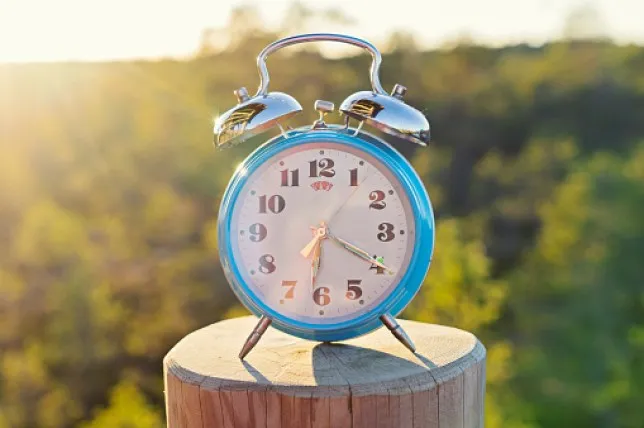
Daylight Saving Time (DST), first proposed by William Willett in 1907, has been a biannual ritual for many countries, including the United Kingdom. The clocks go forward at 1am on the last Sunday in March, marking the transition to British Summer Time (BST), which lasts until the final Sunday in October when the clocks revert an hour.
This year, the clocks went forward by an hour on March 29, 2026, prompting renewed discussions about the necessity of this time change. Polling indicates that 59% of Britons would prefer to remain on BST permanently if the time changes were abolished.
Health experts have raised concerns about the impact of DST on public health. Dr. John O’Neill remarked, “It is like everybody in the country gets an hour’s jet lag, all at the same time.” Studies show that the switch can lead to a 24% increase in heart attacks the day after the clocks change, along with a notable rise in strokes, particularly in Finland where hospital admissions increase by 8% following the switch.
Despite its historical roots, the relevance of DST is being questioned in modern society. Dr. O’Neill suggested, “I’m sure it was extremely useful for our forebears 100 years ago, but there is quite a strong argument for just having permanent daylight saving these days.” This sentiment reflects a growing frustration with the biannual clock adjustments.
Charlie Morley, a sleep expert, emphasized the significant effects of losing just one hour of sleep, stating, “What research shows is what a massive effect on the body and mind, just one extra hour [of sleep] can have.” The fear center of the brain, known as the amygdala, becomes 60% more active when individuals experience a short amount of sleep, further complicating the health implications of DST.
As the debate continues, observers are left wondering if the current system will remain in place or if a shift to permanent BST will be adopted. Most electronic devices automatically adjust for the time change, but some do not, leading to confusion among the public.
With the clocks now forward, the focus shifts to how society will adapt to these changes and whether the health risks associated with DST will prompt further action.