Key moments
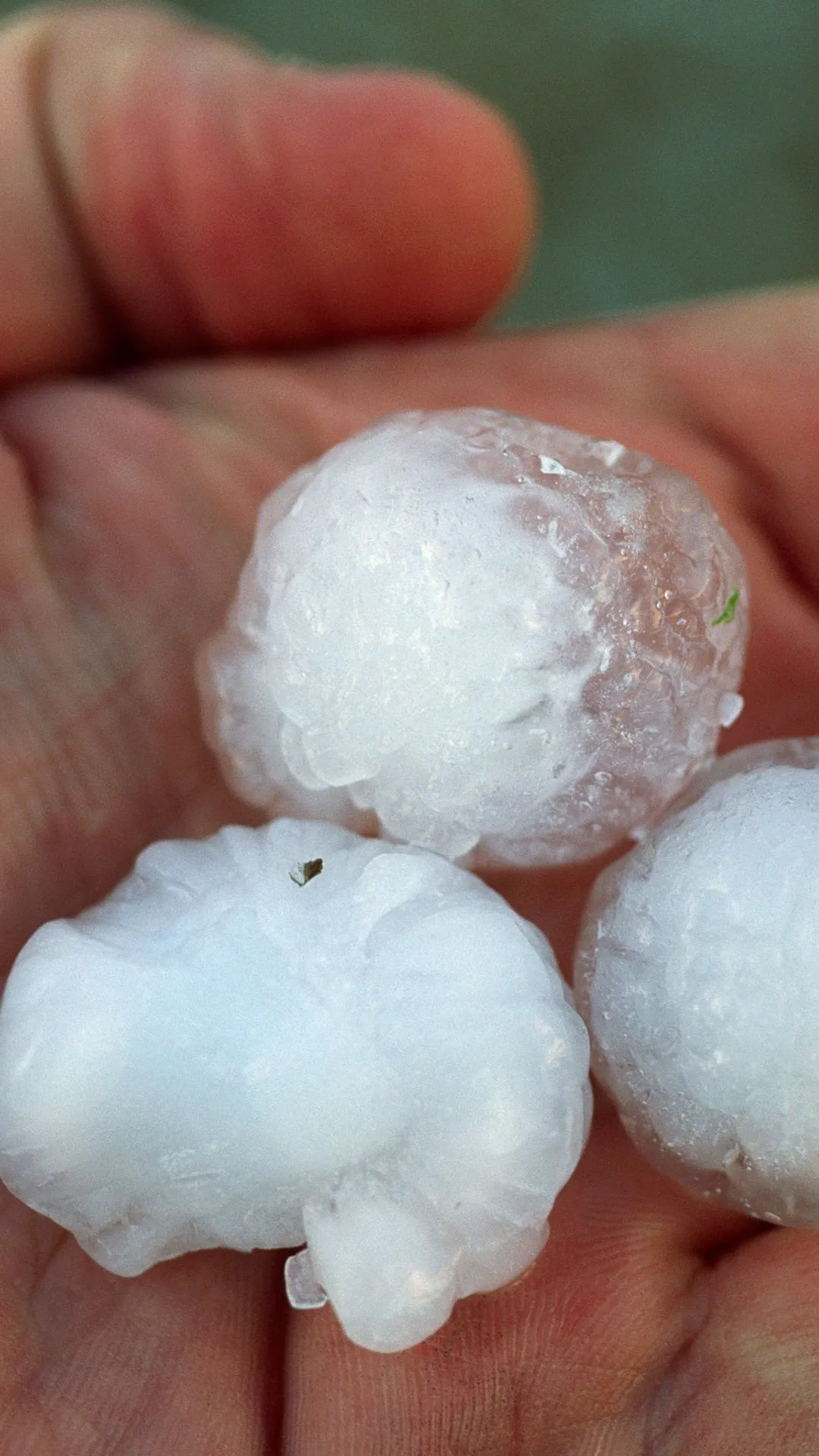
In a dramatic weather event, supercell thunderstorms have unleashed record-breaking hailstones across Alabama and Illinois, raising urgent safety concerns. On March 19, 2018, northern Alabama experienced a historic storm that produced hailstones larger than grapefruit, with the National Weather Service measuring a staggering 5.38 inches wide and weighing 9.8 ounces. This event marked the state’s first official hail record, as Alabama had no recognized official hail size record prior to this storm.
Before the March 2018 storm, the largest known hailstone in Alabama measured only 4.25 inches, highlighting the unprecedented nature of this recent weather phenomenon. The implications of such severe hail are significant; hail can damage aircraft, homes, and vehicles, and poses a serious risk to livestock and human safety.
Meanwhile, in Kankakee, Illinois, a six-inch hailstone has been reported, potentially setting a new state record. The current record for Illinois stands at 4.75 inches, established in June 2015. As these storms continue to develop, the National Weather Service is closely monitoring the situation, emphasizing the need for residents to stay informed and prepared.
Hail forms when raindrops are carried upward by thunderstorm updrafts into extremely cold areas of the atmosphere, where they freeze together. The largest hailstone ever recovered in the United States fell near Vivian, South Dakota, on June 23, 2010, measuring an astonishing eight inches in diameter. Storms producing hail one inch or greater are classified as severe, and supercell thunderstorms are particularly notorious for their sustained updrafts that support the formation of large hail.
Historically, there have been several hailstorms in the U.S. that resulted in damages exceeding $1 billion. The costliest storm on record occurred on April 10, 2001, with property damage exceeding $2.5 billion in 2018 dollars. As the storms in Alabama and Illinois unfold, the potential for significant damage continues to loom.
As officials assess the aftermath of these storms, first reactions are emerging. Local authorities are urging residents to take precautions and remain vigilant as more severe weather could be on the horizon. The National Weather Service is providing updates and safety information to help mitigate risks associated with these dangerous weather conditions.
Details remain unconfirmed regarding the full extent of damage caused by the hailstorms, but the urgency of the situation cannot be overstated. Residents in affected areas are advised to stay indoors and monitor local news for updates. The impact of these storms may be felt for some time as communities begin to recover from this unprecedented weather event.