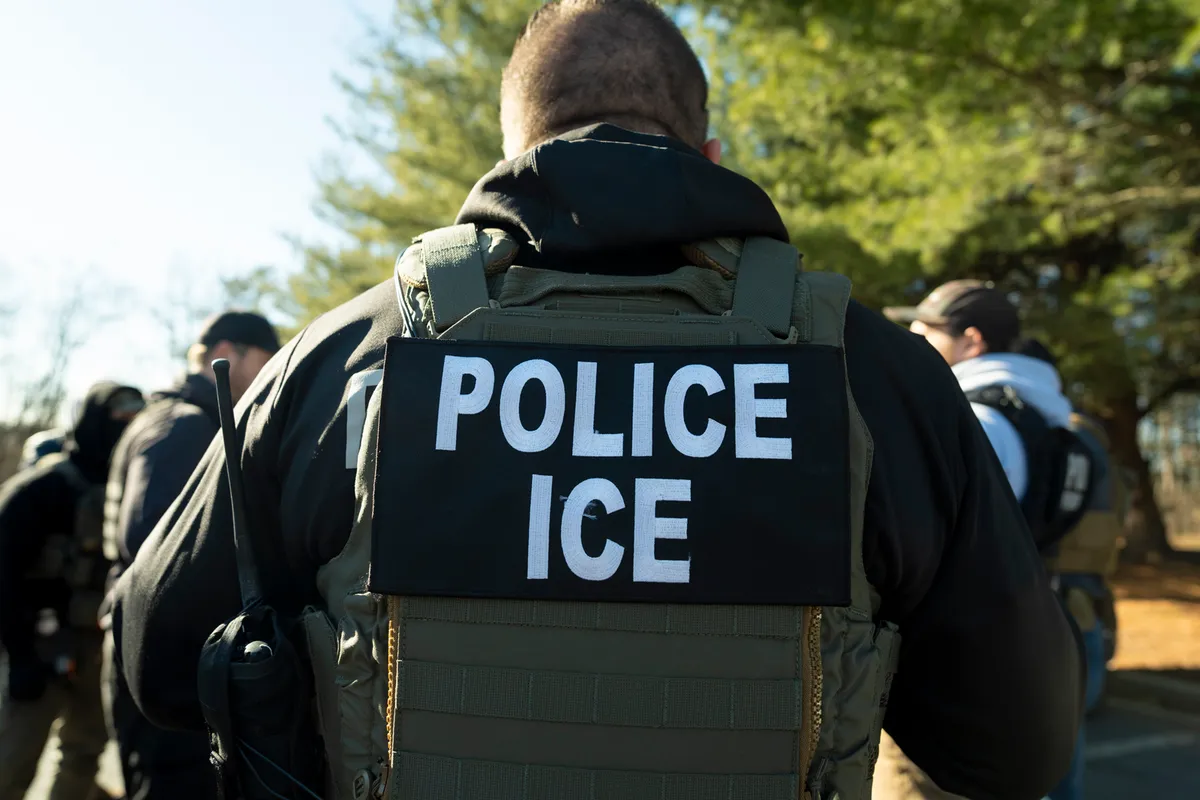
Before the recent developments, the expectation surrounding immigration enforcement was that military service could provide some level of protection against deportation. However, this notion was shattered when Annie Ramos, a 22-year-old French woman, was detained by ICE at a Louisiana military base on April 2, 2026.
The decisive moment came when Ramos was taken into custody under a final deportation order issued back in April 2005, when she was just a child. This stark reality highlights the ongoing challenges faced by individuals entangled in the immigration system, particularly those who have lived in the U.S. for most of their lives.
After spending five days in an immigration detention center, Ramos was released but remains under strict conditions, including wearing an ankle monitor and reporting to ICE weekly. “All I have ever wanted is to live with dignity in the country I have called home since I was a baby,” Ramos stated, emphasizing the emotional toll of her situation.
The shift in policy by the Department of Homeland Security (DHS) has further complicated matters. The scrapping of a 2022 policy that recognized military service as a mitigating factor in immigration enforcement means that individuals like Ramos are now more vulnerable to deportation, regardless of their contributions to society.
Experts have noted that the new DHS policy does not automatically exempt individuals from immigration law consequences, even if they have served in the military. This change has raised alarms among advocates who argue that it undermines the sacrifices made by service members and their families.
Ramos’ case is not an isolated incident; it reflects a broader trend of increasing enforcement actions against immigrants, particularly those with longstanding ties to the community. The implications of such policies are profound, affecting not only the individuals involved but also their families and the communities they belong to.
As the situation unfolds, the urgency for reform in immigration policies becomes more apparent. Advocates are calling for a reassessment of how deportation orders are issued and enforced, especially for those who have built their lives in the U.S.
Details remain unconfirmed as the legal landscape continues to evolve, but the plight of Annie Ramos serves as a stark reminder of the complexities and human costs associated with immigration enforcement in the United States.