How it unfolded
In recent weeks, Etihad Airways has found itself navigating turbulent waters as regional conflicts disrupt travel patterns and diminish demand. The ongoing tensions involving the United States, Israel, and Iran have created an atmosphere of uncertainty, leading to a notable decline in passenger numbers across the Middle East.
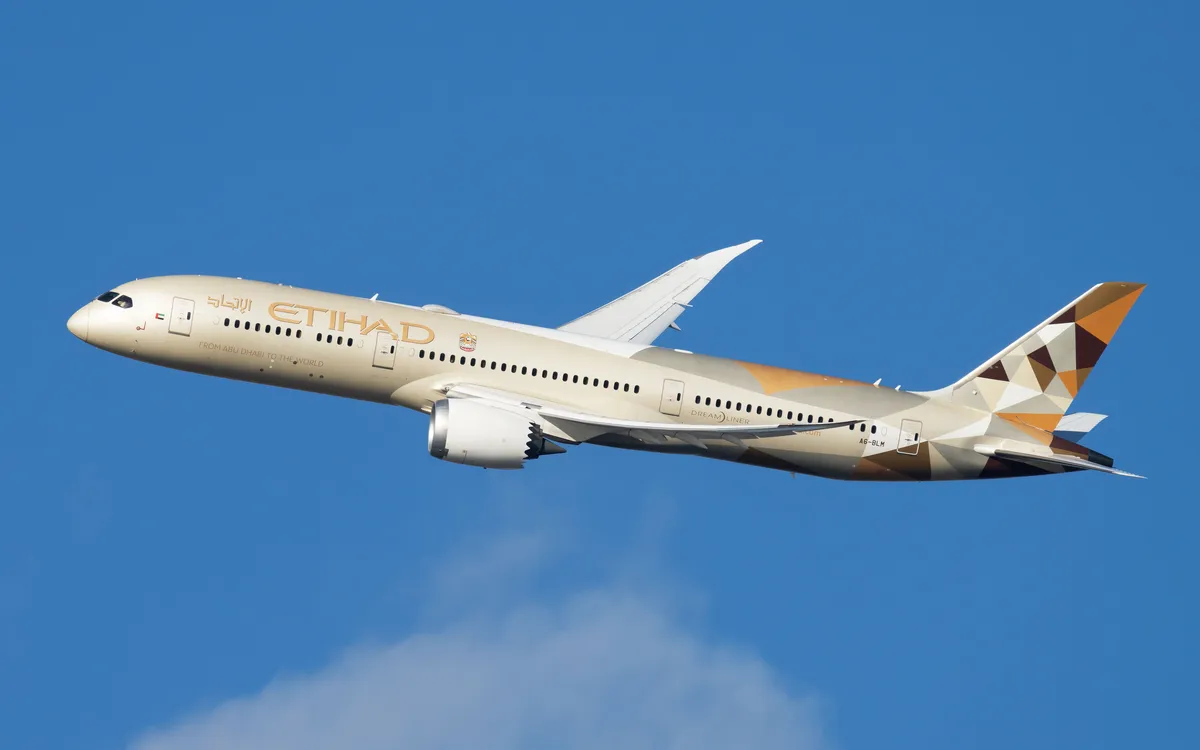
In response to this challenging environment, Etihad Airways announced a dramatic fare reduction of up to 50%. This strategic move aims to entice travelers back to the skies, particularly on routes that have seen a significant drop in bookings. The airline’s return economy fares from London to Sydney via Abu Dhabi are now available from around £688, while business class tickets start at approximately £2,465.
As part of its efforts to boost travel to and from its Abu Dhabi hub, Etihad Airways is also promoting attractive stopover packages and hotel offers. This initiative is designed to enhance the travel experience for passengers and encourage longer stays in the UAE, capitalizing on the region’s appeal as a tourist destination.
Etihad Airways, launched in 2003, has established itself as one of the leading full-service carriers in the Middle East, operating a wide network across Europe, Asia, North America, and Australia. However, the current geopolitical climate poses significant challenges for the airline, as it grapples with fluctuating demand and the need to maintain operational viability.
Amid these developments, the airline’s cabin crew are also affected by the changing landscape. In 2026, cabin crew salaries in the UAE are expected to range from AED 8,000 to AED 14,000 per month, depending on experience and flying hours. Entry-level cabin crew typically earn a base salary of around AED 2,800 to AED 3,200 per month, while mid-career and senior crew members can earn significantly more, with salaries reaching AED 10,000 to AED 14,000 or more.
Furthermore, cabin crew salaries in the UAE are tax-free, which enhances their overall take-home pay. The airline also provides layover allowances and hotel accommodations during international layovers, ensuring that its staff are well-supported during their travels.
As the situation continues to evolve, Etihad Airways remains focused on adapting to the changing travel landscape. The airline’s fare cuts and promotional efforts are critical for attracting passengers and sustaining its operations during these uncertain times. The outcome of these strategies will be closely watched by industry observers and stakeholders alike.
Details remain unconfirmed regarding the long-term impact of these fare reductions on Etihad Airways’ financial health and market position. However, the airline’s proactive approach highlights its commitment to navigating the challenges posed by current geopolitical tensions and restoring confidence in air travel.