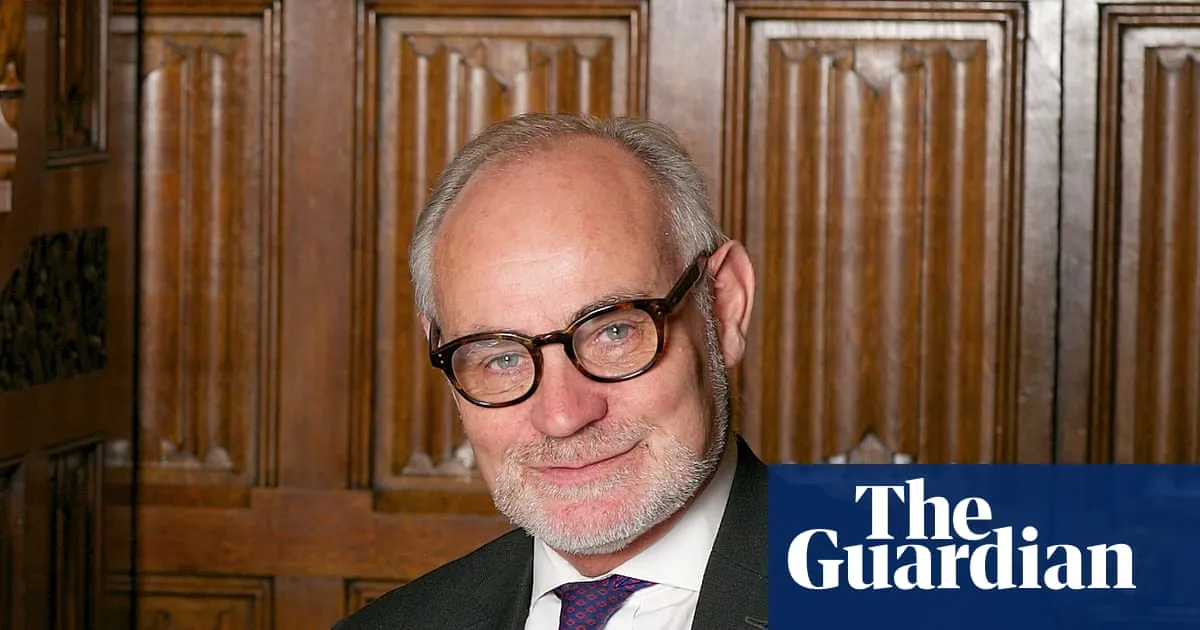
On March 25, 2026, Crispin Blunt, a former Member of Parliament, appeared at Westminster Magistrates’ Court where he faced serious drug charges. Just before this key development, Blunt had already lost the Conservative whip following his arrest in October 2023, which initiated a series of events leading to his current legal troubles.
During the court proceedings, Blunt, aged 65, pleaded guilty to one count of possessing a controlled drug of class A and three counts of possessing controlled drugs of class B. The class A drug in question is alleged to be methamphetamine, while the class B drugs include GBL, cannabis, and amphetamine.
Malcolm McHaffie, a representative from the Crown Prosecution Service, stated, “We have decided to charge Crispin Blunt, 65, with four drugs offences – one count of possessing a controlled drug of class A and three counts of possessing a controlled drug of class B.” This statement underscores the gravity of the charges against the former MP.
The drugs were discovered during a police search related to a separate investigation into allegations of rape. However, no charges were brought against Blunt regarding the rape allegation due to insufficient evidence.
Blunt’s political career has been extensive; he represented Reigate from 1997 until he stood down from parliament in 2024. He served as a justice minister from 2010 to 2012 and chaired the Commons foreign affairs committee from 2015 to 2017.
In court, Deputy Chief Magistrate Tan Ikram remarked, “As a former minister for prisons, probation and justice, you – like all public servants – served as a role model to all.” This comment highlights the expectations placed upon public figures and the implications of their actions.
Blunt has claimed that he began hosting chemsex parties to inform government policy reform, a controversial stance that has drawn public scrutiny. Following his guilty plea, he was fined £1,200 by the court.
As the situation stands, Crispin Blunt’s legal troubles represent a significant fall from grace for a politician who once held influential positions within the UK government. The ramifications of his actions extend beyond personal consequences, affecting public perception of drug policy and the responsibilities of elected officials.
This sequence of events matters not only for Blunt but also for the political landscape in the UK, raising questions about drug policy reform and the accountability of public servants. The case continues to unfold, with further developments anticipated in the coming weeks.