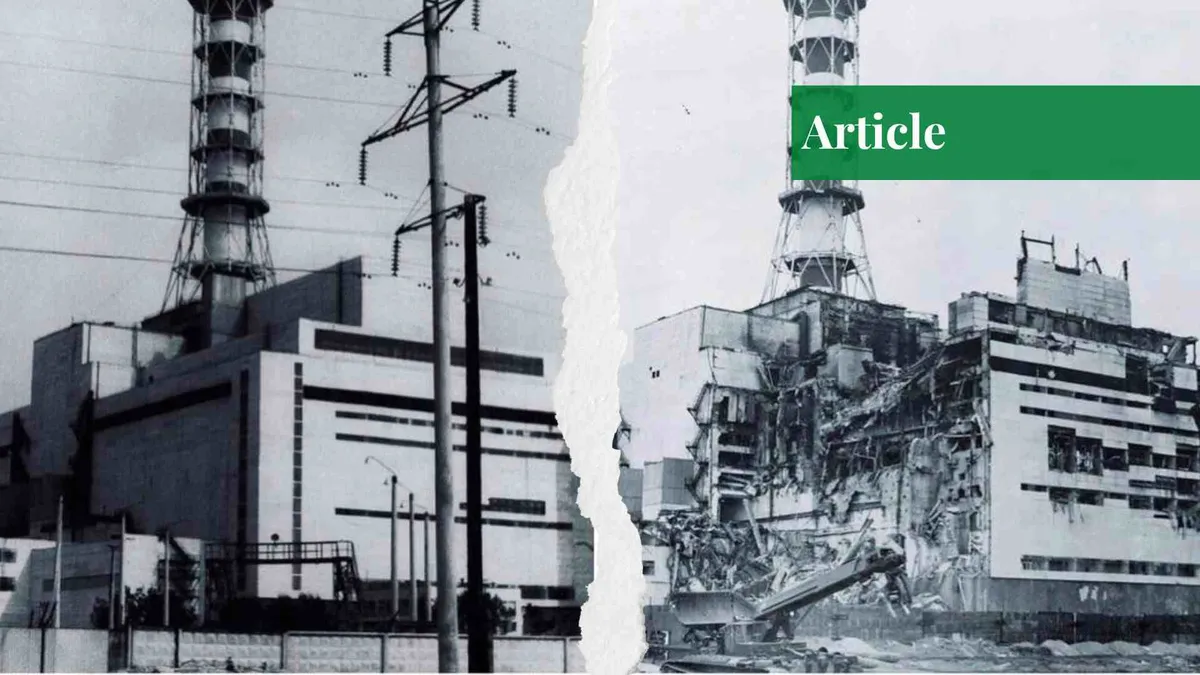
The recent Russian drone attack on Chernobyl has raised alarms about the potential for another nuclear disaster in Ukraine. This incident jeopardizes international collaboration efforts regarding nuclear safety.
On the night of the attack, a Russian drone pierced the protective outer shell around Chernobyl’s reactor No 4, which was completely destroyed in the 1986 explosion. Experts have voiced serious concerns about the implications of this breach.
As of early Tuesday, Russian forces have occupied the Zaporizhzhia Nuclear Power Plant since March 2022. This facility has experienced its 13th blackout since the invasion began, raising further worries about nuclear risks in the region.
Volodymyr Zelenskyy and other leaders are calling for urgent action. They highlight that most workers at Zaporizhzhia are from Russian facilities rather than Energoatom, Ukraine’s state nuclear company.
Experts warn that despite all six reactors being turned off at Zaporizhzhia, the situation remains highly concerning. Alexandra Bell stated, “We are extremely close to any number of potential catastrophes in the nuclear space.”
In January 2026, the Doomsday Clock was set at 85 seconds to midnight—the closest it has ever been—indicating increased global anxiety over nuclear safety.
Shaun Burnie emphasized that Rosatom must be prevented from trying to restart one or more reactors at Zaporizhzhia. He noted that Russia has failed to learn the lessons of Chernobyl.
The implications of these developments are profound. The risk of radiation release from compromised facilities poses a threat not only to Ukraine but also to neighboring countries.
International collaboration is crucial to mitigate these risks and ensure nuclear safety in Ukraine and beyond. The world watches closely as tensions escalate around these critical sites.