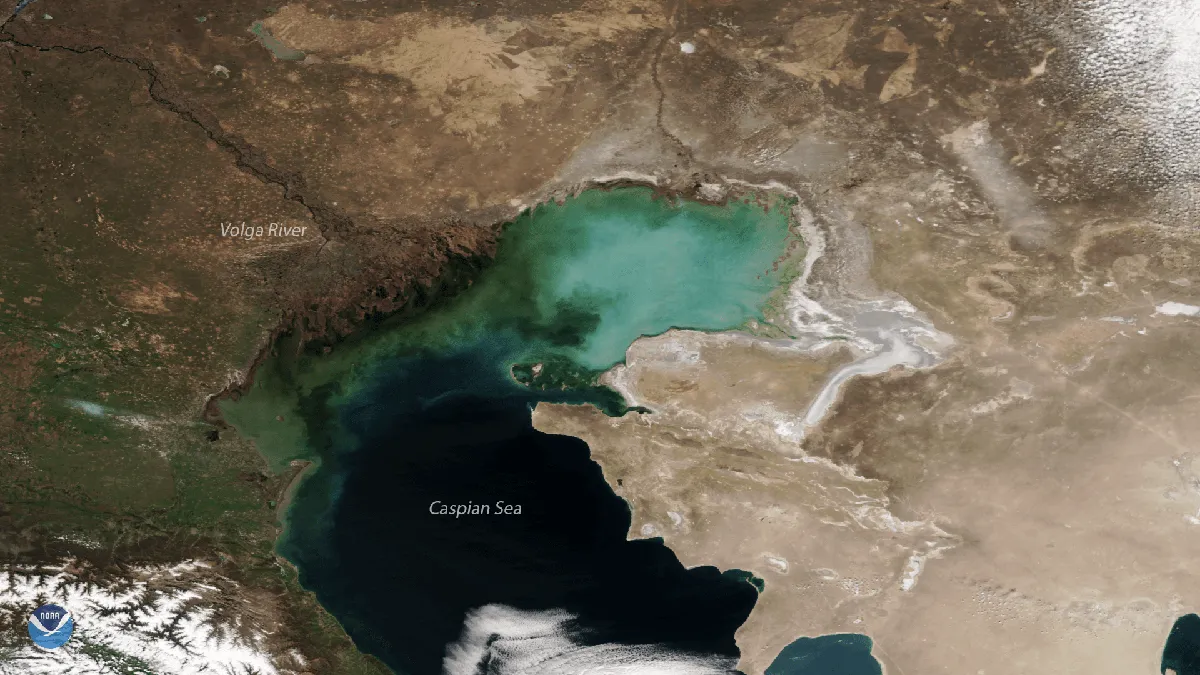
In a dramatic escalation of military tensions, Israeli forces have conducted strikes against Iranian naval targets in the Caspian Sea, destroying dozens of vessels, including missile ships and a corvette warship. This operation marks the first time Israel has targeted Iranian naval assets in this strategic body of water since the onset of Operation Roaring Lion.
The Israeli Air Force executed these strikes approximately 1,300 kilometers from Israel, demonstrating a significant reach and capability. The IDF confirmed that they targeted a central command center for the Iranian Navy, with a total of 200 Iranian targets struck across western and central Iran.
These developments come amid reports that Iran has been a major supplier of weapons to Russia during the ongoing conflict in Ukraine. At least four covert shipments of Iranian missiles and drones have been sent from Iran to Russia via the Caspian Sea, further solidifying the strategic ties between the two nations.
Ukrainian President Zelenskyy has stated that Russia is now sending drones manufactured on its soil to Iran, indicating a troubling exchange of military technology and resources. This partnership has raised alarms among regional observers, particularly Israel, which views Iranian military capabilities as a direct threat.
The IDF emphasized the significance of their recent strikes, stating, “Striking this infrastructure deepens the damage to the regime’s capabilities and undermines the Iranian Navy’s control over the maritime space in the Caspian Sea.” A senior Navy officer added, “We have deprived them of capability for years to come.” These statements underline the strategic intent behind the Israeli operations.
As the situation unfolds, the ramifications of these strikes could reshape the balance of power in the region. Observers are closely monitoring the responses from Iran and Russia, both of which may escalate their military posturing in retaliation.
Details remain unconfirmed regarding recent reports of drone remnants found in Dubai following an Iranian attack, adding another layer of complexity to the ongoing conflict. The geopolitical landscape surrounding the Caspian Sea remains volatile, with potential implications for international security and regional stability.