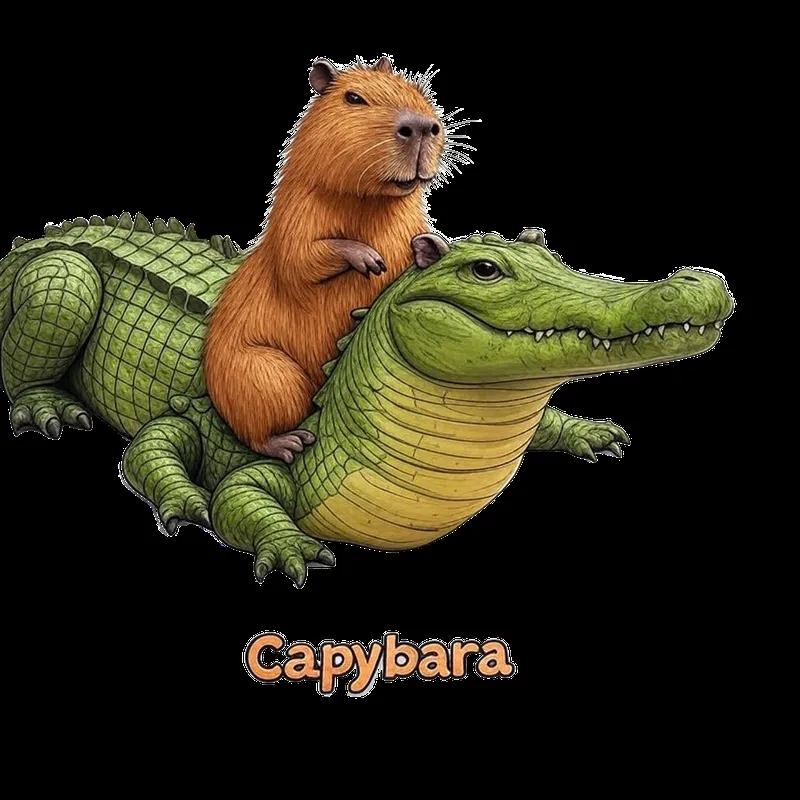
Samba, a young capybara, has escaped from Marwell Zoo in Hampshire, sparking urgent concerns about the implications of non-native species in the UK. This incident is part of a troubling trend of zoo animals escaping in the region, with Samba having been on the loose since March 2026.
Since her escape, Samba has been sighted along the River Itchen, raising alarms among local residents and wildlife officials. Claudie Paddick, a dog walker who spotted Samba, initially mistook her for a deer, stating, “I thought it was a deer – you don’t casually see a capybara on your walks.” This highlights the unusual nature of such an escape.
At just nine months old, Samba’s escape poses significant ecological risks, particularly as capybaras are not native to the UK. These large, adaptable rodents hail from South America and have been increasingly popular in the global pet trade. Their high reproductive potential under suitable conditions raises concerns about potential population growth if they establish themselves in the wild.
Laura Read, the zoo boss, emphasized the importance of reuniting Samba with her fellow capybara, stating, “They do need to be back together. They are social animals and live in groups, so it’s really important we reunite them.” This underscores the social nature of capybaras and the need for their well-being.
The UK’s changing environment is making it more hospitable for non-native species, which can lead to ecological consequences such as disease transmission and habitat disruption. Samba’s escape not only highlights the risks associated with keeping non-native animals in captivity but also raises questions about the management of wildlife in zoos.
In 2024, another capybara named Cinnamon escaped from a British zoo, further illustrating the challenges faced by wildlife facilities in maintaining secure environments. Observers are now calling for increased measures to prevent such incidents in the future.
As authorities work to locate Samba, the situation remains fluid. Details remain unconfirmed regarding the next steps for her capture and the zoo’s response to this incident.